
By using this site, you agree to the Privacy Policy and Terms of Use.
Accept
GMJ NewsGMJ NewsGMJ News
  • Latest News
    • GMJ Briefs
  • Podcast & Media
    • Podcast Episodes
    • GMJ Audio
    • GMJ Videos
  • Research Digest
    • New Studies
    • Georgian Research
    • Data & Numbers
  • Policy & Systems
    • Health Policy
    • Quality & Safety
    • Migration & Health
    • Global Health
  • Practice
    • Clinical Updates
    • Case Discussions
    • Pharmacy & Prescribing
    • Ingredients A-Z
  • Perspectives
    • Editorial
    • Explainers
    • Voices
    • Letters
  • GMJ Articles
    • Vol. 1 Issue 2 (2026)
    • Vol. 1 Issue 1 (2026)
    • Pre-Launch Articles (2025)
  • Read the Journal →
  • About GMJ News
Notification Show More
Font ResizerAa
GMJ NewsGMJ News
Font ResizerAa
  • Latest News
    • GMJ Briefs
  • Podcast & Media
    • Podcast Episodes
    • GMJ Audio
    • GMJ Videos
  • Research Digest
    • New Studies
    • Georgian Research
    • Data & Numbers
  • Policy & Systems
    • Health Policy
    • Quality & Safety
    • Migration & Health
    • Global Health
  • Practice
    • Clinical Updates
    • Case Discussions
    • Pharmacy & Prescribing
    • Ingredients A-Z
  • Perspectives
    • Editorial
    • Explainers
    • Voices
    • Letters
  • GMJ Articles
    • Vol. 1 Issue 2 (2026)
    • Vol. 1 Issue 1 (2026)
    • Pre-Launch Articles (2025)
  • Read the Journal →
  • About GMJ News
Follow US
GMJ News > GMJ Briefs > Brain’s Built-in Cleanup Crew: Understanding the Glymphatic System

Brain’s Built-in Cleanup Crew: Understanding the Glymphatic System

GMJ
Last updated: 27/07/2026 05:29
By
Prof. Giorgi Pkhakadze
Share
1 Min Read
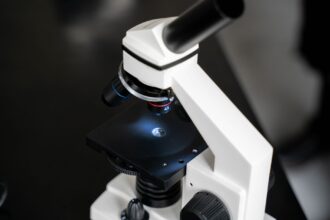
Illustration of cerebrospinal fluid flowing through brain tissue alongside blood vessels, guided by astrocytes
Your brain has a continuous housekeeping system called the glymphatic network that removes metabolic waste through cerebrospinal fluid circulation guided by specialized astrocyte cells. Sleep enhances this waste-clearance process by up to 60 percent, and impaired glymphatic function is linked to neurodegeneration and cognitive aging. — Photo by SHVETS production on Pexels (Pexels License)
SHARE
1 min read|117 words

Your brain operates its own sophisticated waste management system, even during routine daily activities. The glyphatic system uses cerebrospinal fluid to continuously flush away metabolic byproducts such as amyloid proteins and excess neurotransmitters through specialized fluid channels. This intricate cleaning process is guided by astrocytes—star-shaped brain cells that regulate fluid movement and coordinate repairs between neurons. Recent neuroscience research highlights that this waste-clearance mechanism is fundamental to maintaining cognitive health and preventing age-related decline. Understanding how the glymphatic system functions provides insights into why sleep quality and physical activity are essential for brain longevity. Dysfunction in this system has been implicated in neurodegenerative diseases, making it a critical focus for neurological research and preventive health strategies.

Was this article helpful?
GMJ Brief · Announcement

📰 Read the full article: How Your Brain’s Cleanup System Works: The Glymphatic System Explained →

Share This Article
Facebook LinkedIn Bluesky Copy Link Print
GMJ
ByProf. Giorgi Pkhakadze
Follow:
Prof. Giorgi Pkhakadze, MD, MPH, PhD, is Editor-in-Chief of the Georgian Medical Journal and Chair of the Public Health Institute of Georgia (PHIG). He is Professor and Head of the Department of Social and Behavioural Sciences at David Tvildiani Medical University, and Secretary/Treasurer of the UEMS Section of Public Health. ORCID: 0000-0001-7609-4515.

Submit Your Paper →

Georgia's peer-reviewed open-access medical journal. No APC until January 2027.
Submit Manuscript →
Meta-analysis reveals shared neurochemical signature across anxiety disorders

A meta-analysis of 25 brain imaging studies has identified a consistent neurochemical…

How the immune system learns and remembers: innate defenses meet adaptive immunity

The immune system operates as two integrated networks: innate immunity provides immediate…

How a Single Stem Cell Learns to Beat: New Insights into Cardiac Development

Researchers at Vanderbilt University have documented the transformation of a single stem…

Submit Your Paper to GMJ

No APC until January 2027.
Submit Manuscript →

You Might Also Like

UK Health Security Agency logo and laboratory equipment for communicable disease testing

UKHSA Birmingham Laboratory Unveils Standardised Protocols for NHS Microbiology Services

By
Prof. Giorgi Pkhakadze
22/07/2026
Medical illustration showing platelet production and romiplostim mechanism in cancer treatment

NEJM Volume 394 Reports Romiplostim’s Superior Efficacy Against Treatment-Related Platelet Depletion

By
Prof. Giorgi Pkhakadze
30/06/2026
Global map showing youth mortality rates by region with data visualization

Global Youth Mortality Plateau: 2.1 Million Deaths in 2024 Signal Need for Renewed Focus

By
Prof. Giorgi Pkhakadze
12/06/2026
Dual immune and targeted therapy mechanism in bladder cancer treatment pathway

40% Survival Gain Projected: New Data on Perioperative Immunotherapy in Bladder Cancer

By
Prof. Giorgi Pkhakadze
26/07/2026
Facebook Twitter Youtube Instagram
Company
  • Privacy Policy
  • Contact US
  • GMJ Journal
  • Submit Manuscript
  • Editorial Team
  • Register at GMJ
  • Terms of Use

Subscribe to GMJ News — Click here

Join Community
© 2026 Georgian Medical Journal (GMJ). Published by the Public Health Institute of Georgia (PHIG). All rights reserved.
Welcome Back!

Sign in to your account

Username or Email Address
Password

Lost your password?

Not a member? Sign Up