By using this site, you agree to the Privacy Policy and Terms of Use.
Accept
GMJ NewsGMJ NewsGMJ News
  • Latest News
    • GMJ Briefs
  • Podcast & Media
    • Podcast Episodes
    • GMJ Audio
    • GMJ Videos
  • Research Digest
    • New Studies
    • Georgian Research
    • Data & Numbers
  • Policy & Systems
    • Health Policy
    • Quality & Safety
    • Migration & Health
    • Global Health
  • Practice
    • Clinical Updates
    • Case Discussions
    • Pharmacy & Prescribing
    • Ingredients A-Z
  • Perspectives
    • Editorial
    • Explainers
    • Voices
    • Letters
  • Health Topics
  • GMJ Articles
    • Vol. 1 Issue 2 (2026)
    • Vol. 1 Issue 1 (2026)
    • Pre-Launch Articles (2025)
  • Read the Journal →
  • About GMJ News
Notification Show More
Font ResizerAa
GMJ NewsGMJ News
Font ResizerAa
  • Latest News
    • GMJ Briefs
  • Podcast & Media
    • Podcast Episodes
    • GMJ Audio
    • GMJ Videos
  • Research Digest
    • New Studies
    • Georgian Research
    • Data & Numbers
  • Policy & Systems
    • Health Policy
    • Quality & Safety
    • Migration & Health
    • Global Health
  • Practice
    • Clinical Updates
    • Case Discussions
    • Pharmacy & Prescribing
    • Ingredients A-Z
  • Perspectives
    • Editorial
    • Explainers
    • Voices
    • Letters
  • Health Topics
  • GMJ Articles
    • Vol. 1 Issue 2 (2026)
    • Vol. 1 Issue 1 (2026)
    • Pre-Launch Articles (2025)
  • Read the Journal →
  • About GMJ News
Follow US
GMJ News > GMJ Briefs > By the Numbers: The Jejunum Absorbs 95% of Macronutrients in Your Digestive System

By the Numbers: The Jejunum Absorbs 95% of Macronutrients in Your Digestive System

GMJ
Last updated: 30/07/2026 13:30
By
Prof. Giorgi Pkhakadze
Share
1 Min Read
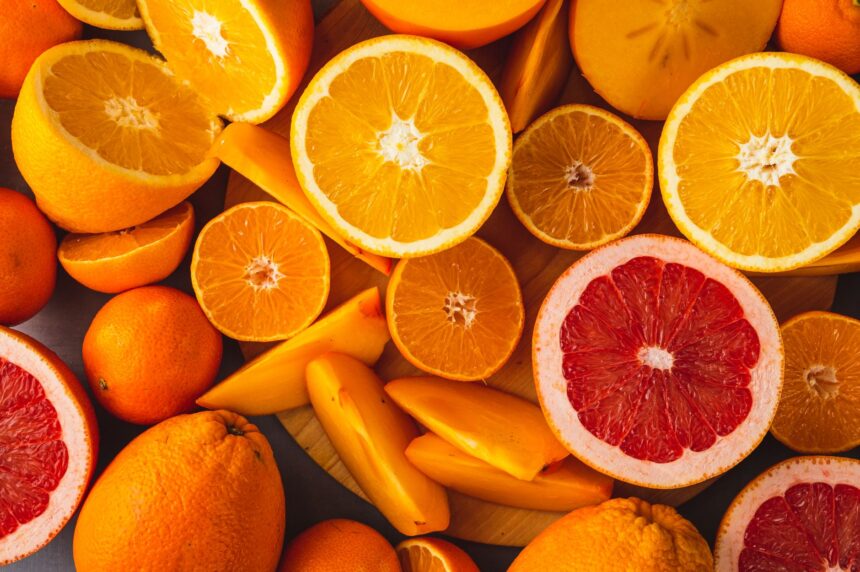
Diagram showing nutrient absorption in different segments of the gastrointestinal tract: stomach, duodenum, jejunum, ileum, and colon
The human gastrointestinal tract functions as a seven-meter nutrient-extraction assembly line, with each segment specializing in absorbing specific vitamins, minerals, and macronutrients through distinct biochemical mechanisms. From the stomach's selective mineral uptake to the jejunum's macronutrient powerhouse role, this anatomical precision explains how the body extracts every usable molecule. — Photo by Jana Ohajdova on Pexels (Pexels License)
SHARE
1 min read|125 words

New analysis of gastrointestinal physiology reveals striking disparities in nutrient absorption capacity across the digestive tract. The jejunum emerges as the dominant macronutrient processor, responsible for extracting 95 percent of dietary lipids, amino acids, and B vitamins. The duodenum follows as the secondary absorption site, capturing 85 percent of essential minerals and fat-soluble vitamins essential for bone health, immune function, and vision. The ileum contributes 60 percent recovery of vitamin B12 and bile salts—critical for sustained nutrient cycling. In contrast, the stomach absorbs only 15 percent of total nutrients, primarily small water-soluble molecules and ethanol, while the large intestine focuses on water reclamation and microbial metabolite synthesis. These quantified absorption rates illuminate why disease affecting specific segments produces predictable nutritional deficiencies. Read the full article on GMJ Newsroom.

Was this article helpful?

GMJ Brief · Key Finding

📰 Read the full article: How the gut absorbs nutrients with molecular precision: A seven-meter biochemical assembly line →

Related reference
  • Vitamin B12 · Ingredient
Share This Article
Facebook LinkedIn Bluesky Copy Link Print
GMJ
ByProf. Giorgi Pkhakadze
Follow:
Prof. Giorgi Pkhakadze, MD, MPH, PhD, is Editor-in-Chief of the Georgian Medical Journal and Chair of the Public Health Institute of Georgia (PHIG). He is Professor and Head of the Department of Social and Behavioural Sciences at David Tvildiani Medical University, and Secretary/Treasurer of the UEMS Section of Public Health. ORCID: 0000-0001-7609-4515.

Submit Your Paper →

Georgia's peer-reviewed open-access medical journal. No APC until January 2027.
Submit Manuscript →
Alcohol Suppresses Heart Rate Variability During Sleep Across All Fitness Levels

A 4,098-person study from Finland found that alcohol suppresses heart rate variability…

Exercise’s True Power: A Systematic Review Shows Mitochondrial Remodeling, Not Just Volume, Drives Fitness Gains

A systematic review analyzing 425 human studies shows that training intensity—not duration—is…

Egg consumption linked to 27% lower Alzheimer’s risk in large multi-cohort study

A 15-year prospective study of nearly 40,000 adults found that those consuming…

Submit Your Paper to GMJ

No APC until January 2027.
Submit Manuscript →

You Might Also Like

Medical infusion setup representing obinutuzumab treatment for membranous nephropathy

Data Highlight: Obinutuzumab Achieves Two-Fold Superior Remission Rates in Membranous Nephropathy Trial

By
Prof. Giorgi Pkhakadze
23/07/2026
Medical researcher in laboratory representing scientific independence under threat from new federal grantmaking rules

Four Decades Without Precedent: AAMC Chief Flags Unprecedented Research Funding Threat

By
Prof. Giorgi Pkhakadze
11/07/2026
Children in climate-affected area receiving medical care from healthcare workers

Three-Quarters of Global Children Face Multiple Climate Health Threats Simultaneously

By
Prof. Giorgi Pkhakadze
05/07/2026
Medical illustration showing iron transport pathways and copper enzyme checkpoints in human metabolism

Announcement: Iron Transport Requires Copper at Three Critical Checkpoints, Study Shows

By
Prof. Giorgi Pkhakadze
03/06/2026
Facebook Twitter Youtube Instagram
Company
  • Privacy Policy
  • Contact US
  • GMJ Journal
  • Submit Manuscript
  • Editorial Team
  • Register at GMJ
  • Terms of Use

Subscribe to GMJ News — Click here

Join Community
© 2026 Georgian Medical Journal (GMJ). Published by the Public Health Institute of Georgia (PHIG). All rights reserved.
Welcome Back!

Sign in to your account

Username or Email Address
Password

Lost your password?

Not a member? Sign Up