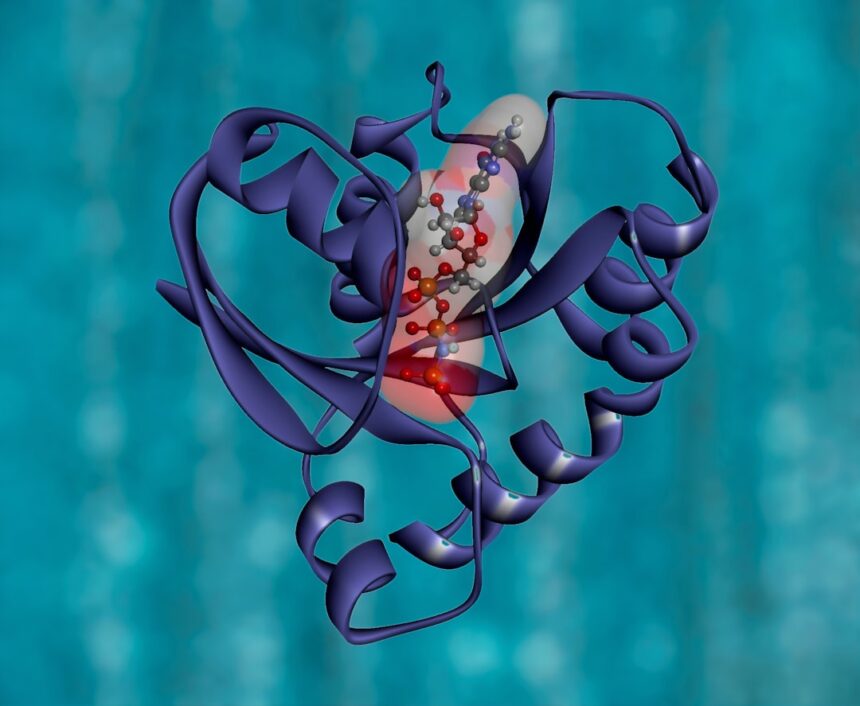
Researchers at Scripps Research have made a significant discovery in understanding Alzheimer’s disease pathology, identifying a critical molecular switch that perpetuates chronic brain inflammation. The STING protein, which undergoes specific chemical modifications in Alzheimer’s patients, becomes trapped in a state that continuously activates brain immune cells called microglia. This persistent activation leads to progressive damage of synaptic connections essential for memory and cognitive function. The findings represent a paradigm shift in Alzheimer’s research, suggesting that therapeutic interventions targeting STING protein modifications could offer new treatment strategies beyond traditional amyloid-focused approaches. By understanding how this molecular switch maintains destructive inflammation throughout disease progression, scientists may develop more effective interventions to slow neurodegeneration and preserve cognitive function in Alzheimer’s patients.
Was this article helpful?