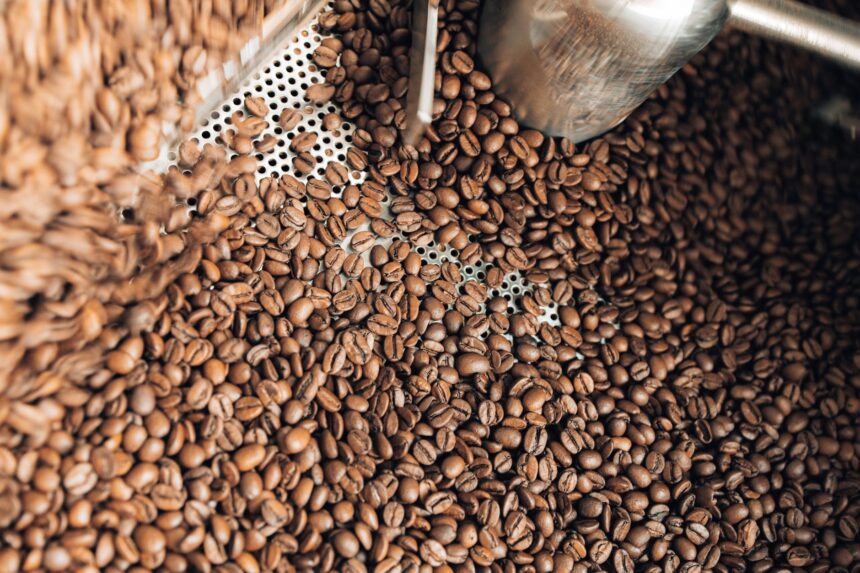
The roasting process creates three distinct antioxidant profiles, each with different nutritional implications. Light roasts maximize chlorogenic acids at 8.0 mg/g, making them optimal for those prioritizing compounds linked to metabolic regulation and endothelial function. Medium roasts offer a balanced intermediate profile with 6.56 mg/g chlorogenic acids alongside emerging secondary compounds like gallic acids at 0.94 mg/g, providing chemical diversity without extreme trade-offs. Dark roasts contain the lowest chlorogenic acid content (4.35 mg/g) but compensate with peak gallic acid concentrations at 2.33 mg/g, potentially offering distinct bioactive properties. Rather than viewing roast levels hierarchically, evidence suggests they represent different nutritional strategies. Consumers concerned with blood sugar management or vascular health may benefit from light roasts, while those seeking alternative antioxidant profiles should consider medium or dark options.
Was this article helpful?