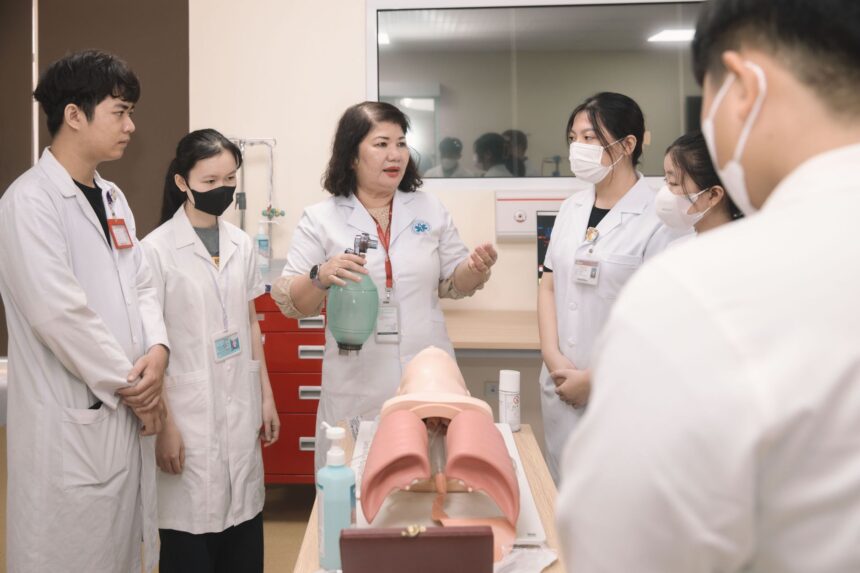
A concerning gap exists in medical education preparedness, with recent surveys indicating that 87% of final-year medical students report feeling inadequately prepared for clinical practice. This alarming statistic underscores longstanding concerns about the transition from academic training to real-world healthcare environments.
To address this challenge, educational institutions are increasingly adopting simulation-based training approaches with documented success. Research demonstrates that immersive simulation training significantly improves student confidence and clinical competency across essential areas including patient communication, basic procedures, and emergency response protocols. The opening of advanced simulation wards represents an evidence-based solution to bridge the preparedness gap, offering students controlled practice opportunities that build competence before they assume responsibility for live patient care.
Was this article helpful?