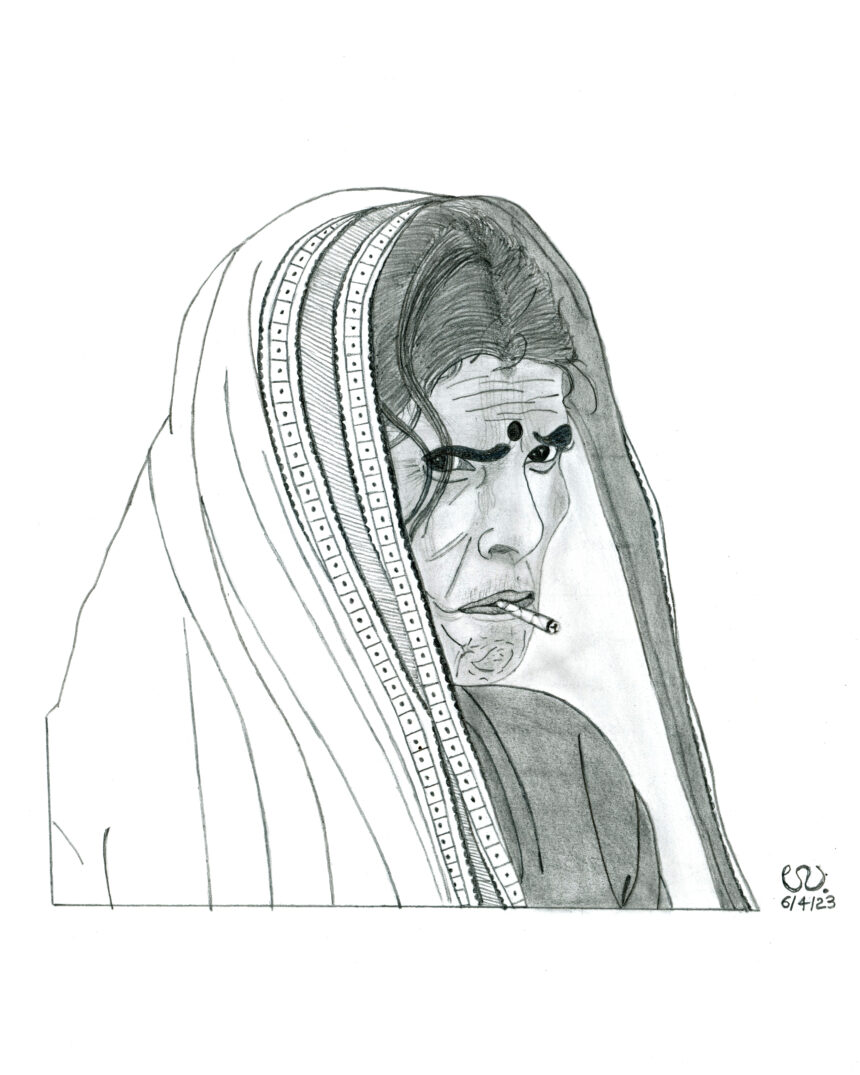
A multicentre case-control study from India reveals striking disparities in cancer risk across different tobacco-use patterns. The research, published in The Lancet Regional Health – Southeast Asia, demonstrates that combined bidi smoking with other tobacco products carries the highest cancer risk profile, followed by bidi smoking alone, with other tobacco products showing elevated but comparatively lower associations.
These risk stratifications provide critical epidemiological evidence for public health decision-makers. The data suggests that individuals engaging in poly-tobacco use—particularly those combining bidis with additional tobacco products—face substantially heightened cancer burden. Current regulatory frameworks in South Asia inadequately address these compound risk patterns.
The findings support development of bidi-specific regulation and targeted cessation support programmes tailored to multi-product users, offering an evidence-based pathway for reducing cancer incidence in vulnerable populations.
Read the full article on GMJ Newsroom.

Was this article helpful?
GMJ Brief · Key Finding
📰 Read the full article: Bidi Smoking Linked to Elevated Cancer Risk in Large Indian Study →