By using this site, you agree to the Privacy Policy and Terms of Use.
Accept
GMJ NewsGMJ NewsGMJ News
  • Latest News
    • GMJ Briefs
  • Podcast & Media
    • Podcast Episodes
    • GMJ Audio
    • GMJ Videos
  • Research Digest
    • New Studies
    • Georgian Research
    • Data & Numbers
  • Policy & Systems
    • Health Policy
    • Quality & Safety
    • Migration & Health
    • Global Health
  • Practice
    • Clinical Updates
    • Case Discussions
    • Pharmacy & Prescribing
    • Ingredients A-Z
  • Perspectives
    • Editorial
    • Explainers
    • Voices
    • Letters
  • GMJ Articles
    • Vol. 1 Issue 2 (2026)
    • Vol. 1 Issue 1 (2026)
    • Pre-Launch Articles (2025)
  • Read the Journal →
  • About GMJ News
Notification Show More
Font ResizerAa
GMJ NewsGMJ News
Font ResizerAa
  • Latest News
    • GMJ Briefs
  • Podcast & Media
    • Podcast Episodes
    • GMJ Audio
    • GMJ Videos
  • Research Digest
    • New Studies
    • Georgian Research
    • Data & Numbers
  • Policy & Systems
    • Health Policy
    • Quality & Safety
    • Migration & Health
    • Global Health
  • Practice
    • Clinical Updates
    • Case Discussions
    • Pharmacy & Prescribing
    • Ingredients A-Z
  • Perspectives
    • Editorial
    • Explainers
    • Voices
    • Letters
  • GMJ Articles
    • Vol. 1 Issue 2 (2026)
    • Vol. 1 Issue 1 (2026)
    • Pre-Launch Articles (2025)
  • Read the Journal →
  • About GMJ News
Follow US
GMJ News > GMJ Briefs > Critical Juncture: Microglial Transitions Determine Dementia vs. Cognitive Resilience

Critical Juncture: Microglial Transitions Determine Dementia vs. Cognitive Resilience

GMJ
Last updated: 26/06/2026 05:41
By
Prof. Giorgi Pkhakadze
Share
1 Min Read
Microscopic image of microglia brain immune cells responding to amyloid and tau proteins
New Nature Medicine research reveals how brain immune cells determine whether people develop dementia or maintain cognitive resilience despite Alzheimer's pathology. Microglia undergo distinct transitions at the critical amyloid-tau intersection. — Photo by BUDDHI Kumar SHRESTHA on Unsplash (Unsplash License)
SHARE
1 min read|135 words

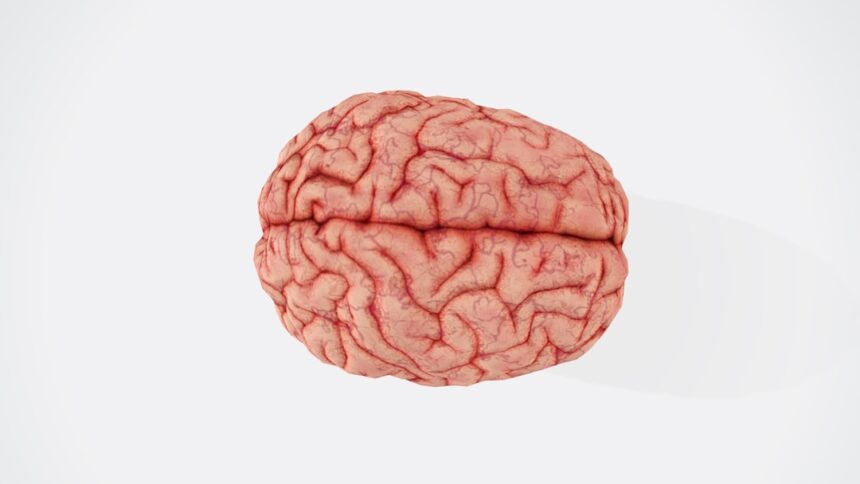
A significant finding from Nature Medicine research shows that microglia cellular transitions at the amyloid-tau inflection point are the decisive factor determining whether aging leads to dementia or cognitive resilience. This study analyzed post-mortem brain tissue from aging adults with varying cognitive outcomes, revealing distinct cellular pathways associated with either disease progression or protective responses. The research identifies this critical junction as a therapeutic window where intervention could alter cognitive fate. By understanding how microglial cells respond at this molecular crossroads, researchers have pinpointed new therapeutic targets for dementia prevention. The study demonstrates that approximately half of individuals with significant Alzheimer’s pathology maintain normal cognitive function through protective microglial responses, offering hope for preventive interventions. These findings represent a paradigm shift in dementia research, moving beyond simply treating pathology accumulation to modulating immune cell behavior.

Was this article helpful?

GMJ Brief · Key Finding

📰 Read the full article: Brain immune cells reveal why some people resist dementia despite tau tangles →

Share This Article
Facebook LinkedIn Bluesky Copy Link Print
GMJ
ByProf. Giorgi Pkhakadze
Follow:
Prof. Giorgi Pkhakadze, MD, MPH, PhD, is Editor-in-Chief of the Georgian Medical Journal and Chair of the Public Health Institute of Georgia (PHIG). He is Professor and Head of the Department of Social and Behavioural Sciences at David Tvildiani Medical University, and Secretary/Treasurer of the UEMS Section of Public Health. ORCID: 0000-0001-7609-4515.

Submit Your Paper →

Georgia's peer-reviewed open-access medical journal. No APC until January 2027.
Submit Manuscript →
Gene Therapy Shows Promise for Inherited Cholesterol Disorder in First-in-Human Trial

First-in-human gene therapy trial shows preliminary safety and efficacy for treating homozygous…

Teen Drug Use and Binge Drinking Linked to Severe Mental Health Crisis

UCLA research reveals dangerous links between teen substance use and mental health…

PFAS ‘Forever Chemicals’ Persist in Ski Wax Rooms Despite Regulatory Bans

New research reveals PFAS 'forever chemicals' persist in ski wax facilities years…

Submit Your Paper to GMJ

No APC until January 2027.
Submit Manuscript →

You Might Also Like

Medical vial of insulin with syringe representing diabetes treatment access challenges

A Century Later: Why Insulin Access Remains a Global Health Crisis

By
Prof. Giorgi Pkhakadze
22/06/2026
Medical illustration showing targeted therapy attacking lung cancer cells with EGFR mutations

Doubling Survival Time: Sunvozertinib Extends Progression-Free Survival in Lung Cancer Trial

By
Prof. Giorgi Pkhakadze
24/06/2026

SITUATION BRIEF: Ebola Cross-Border Transmission DRC-Uganda, WHO Emergency Declaration

By
Prof. Giorgi Pkhakadze
31/05/2026
Diagram showing gut-brain circadian communication pathways

Four Pathways Connect Gut Bacteria to Your Body Clock: New Data Reveals Hierarchy

By
Prof. Giorgi Pkhakadze
10/06/2026
Facebook Twitter Youtube Instagram
Company
  • Privacy Policy
  • Contact US
  • GMJ Journal
  • Submit Manuscript
  • Editorial Team
  • Register at GMJ
  • Terms of Use

Subscribe to GMJ News — Click here

Join Community
© 2026 Georgian Medical Journal (GMJ). Published by the Public Health Institute of Georgia (PHIG). All rights reserved.
Welcome Back!

Sign in to your account

Username or Email Address
Password

Lost your password?

Not a member? Sign Up