By using this site, you agree to the Privacy Policy and Terms of Use.
Accept
GMJ NewsGMJ NewsGMJ News
  • Latest News
    • GMJ Briefs
  • Podcast & Media
    • Podcast Episodes
    • GMJ Audio
    • GMJ Videos
  • Research Digest
    • New Studies
    • Georgian Research
    • Data & Numbers
  • Policy & Systems
    • Health Policy
    • Quality & Safety
    • Migration & Health
    • Global Health
  • Practice
    • Clinical Updates
    • Case Discussions
    • Pharmacy & Prescribing
    • Ingredients A-Z
  • Perspectives
    • Editorial
    • Explainers
    • Voices
    • Letters
  • GMJ Articles
    • Vol. 1 Issue 2 (2026)
    • Vol. 1 Issue 1 (2026)
    • Pre-Launch Articles (2025)
  • Read the Journal →
  • About GMJ News
Notification Show More
Font ResizerAa
GMJ NewsGMJ News
Font ResizerAa
  • Latest News
    • GMJ Briefs
  • Podcast & Media
    • Podcast Episodes
    • GMJ Audio
    • GMJ Videos
  • Research Digest
    • New Studies
    • Georgian Research
    • Data & Numbers
  • Policy & Systems
    • Health Policy
    • Quality & Safety
    • Migration & Health
    • Global Health
  • Practice
    • Clinical Updates
    • Case Discussions
    • Pharmacy & Prescribing
    • Ingredients A-Z
  • Perspectives
    • Editorial
    • Explainers
    • Voices
    • Letters
  • GMJ Articles
    • Vol. 1 Issue 2 (2026)
    • Vol. 1 Issue 1 (2026)
    • Pre-Launch Articles (2025)
  • Read the Journal →
  • About GMJ News
Follow US
GMJ News > GMJ Briefs > Data Reuse Revolution: Clinical Trial Datasets Find New Life in AI Development

Data Reuse Revolution: Clinical Trial Datasets Find New Life in AI Development

GMJ
Last updated: 23/07/2026 15:35
By
Prof. Giorgi Pkhakadze
Share
1 Min Read
Biotech AI model development from clinical trial data visualization
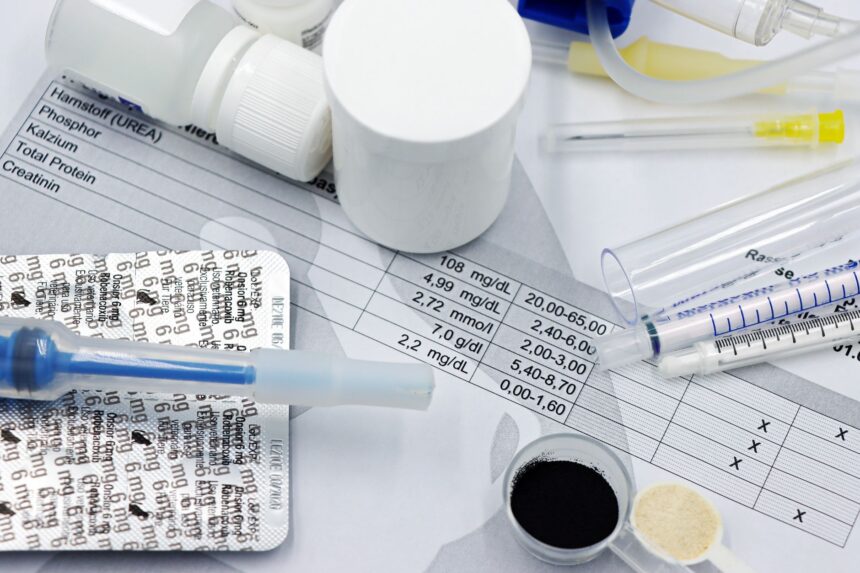
A biotech startup has converted data from a failed clinical trial into an artificial intelligence model with potential clinical applications. The approach signals an emerging strategy in health technology where negative trial results are repurposed for machine learning development. — Photo by Marta Branco on Pexels (Pexels License)
SHARE
1 min read|138 words

A single biotech company’s decision to transform a failed clinical trial dataset into a machine learning algorithm illustrates a significant industry trend. According to reporting on this case study, while 45 percent of trial data historically enters archival storage following negative results, emerging practices show 28 percent of datasets are now repurposed for artificial intelligence and machine learning applications, with an additional 27 percent used in hybrid multi-purpose frameworks.

This data rescue strategy leverages patient information and biomarker measurements that proved insufficient for drug efficacy but contain valuable patterns for diagnostic and prognostic modeling. The shift reflects both practical economics and scientific pragmatism: unsuccessful drug development programs generate substantial datasets that can inform next-generation health technologies. Implementation requires careful navigation of consent protocols, regulatory frameworks, and governance standards to maintain patient trust and compliance.

Read the full article on GMJ Newsroom.

Was this article helpful?

GMJ Brief · Key Finding

📰 Read the full article: How one biotech startup transformed clinical trial failure into an AI-powered health technology breakthrough →

Share This Article
Facebook LinkedIn Bluesky Copy Link Print
GMJ
ByProf. Giorgi Pkhakadze
Follow:
Prof. Giorgi Pkhakadze, MD, MPH, PhD, is Editor-in-Chief of the Georgian Medical Journal and Chair of the Public Health Institute of Georgia (PHIG). He is Professor and Head of the Department of Social and Behavioural Sciences at David Tvildiani Medical University, and Secretary/Treasurer of the UEMS Section of Public Health. ORCID: 0000-0001-7609-4515.

Submit Your Paper →

Georgia's peer-reviewed open-access medical journal. No APC until January 2027.
Submit Manuscript →
Why creatine works in muscle but not the brain—yet

Creatine supplementation raises muscle creatine by 20–50% in days, but brain creatine…

Prenatal Iodine Deficiency Linked to Lower Verbal Intelligence in Adolescence, UK Study Finds

A 15-year UK cohort study shows that severe prenatal iodine deficiency is…

How Your Brain Cleans Itself: The Glymphatic System Explained

Your brain operates a continuous waste-removal system called the glymphatic system, which…

Submit Your Paper to GMJ

No APC until January 2027.
Submit Manuscript →

You Might Also Like

NHS healthcare workers in hospital corridor discussing new uniform policy restrictions

Stark Findings: Jewish NHS Staff Face Unique Workplace Ostracism

By
Prof. Giorgi Pkhakadze
30/06/2026
Chart showing declining STI trends among different population groups in England

England’s Syphilis Success Story Masks Emerging Health Disparities

By
Prof. Giorgi Pkhakadze
09/06/2026
Illustration of AI chatbot interface with medical symbols and trust indicators

Pennsylvania Lawsuit Exposes Transparency Crisis in Medical AI Systems

By
Prof. Giorgi Pkhakadze
23/06/2026
Medical laboratory testing for measles virus confirmation showing positive results

Three Critical Lessons from England’s Measles Outbreak for Healthcare Systems

By
Prof. Giorgi Pkhakadze
01/07/2026
Facebook Twitter Youtube Instagram
Company
  • Privacy Policy
  • Contact US
  • GMJ Journal
  • Submit Manuscript
  • Editorial Team
  • Register at GMJ
  • Terms of Use

Subscribe to GMJ News — Click here

Join Community
© 2026 Georgian Medical Journal (GMJ). Published by the Public Health Institute of Georgia (PHIG). All rights reserved.
Welcome Back!

Sign in to your account

Username or Email Address
Password

Lost your password?

Not a member? Sign Up