By using this site, you agree to the Privacy Policy and Terms of Use.
Accept
GMJ NewsGMJ NewsGMJ News
  • Latest News
    • GMJ Briefs
  • Podcast & Media
    • Podcast Episodes
    • GMJ Audio
    • GMJ Videos
  • Research Digest
    • New Studies
    • Georgian Research
    • Data & Numbers
  • Policy & Systems
    • Health Policy
    • Quality & Safety
    • Migration & Health
    • Global Health
  • Practice
    • Clinical Updates
    • Case Discussions
    • Pharmacy & Prescribing
    • Ingredients A-Z
  • Perspectives
    • Editorial
    • Explainers
    • Voices
    • Letters
  • GMJ Articles
    • Vol. 1 Issue 2 (2026)
    • Vol. 1 Issue 1 (2026)
    • Pre-Launch Articles (2025)
  • Read the Journal →
  • About GMJ News
Notification Show More
Font ResizerAa
GMJ NewsGMJ News
Font ResizerAa
  • Latest News
    • GMJ Briefs
  • Podcast & Media
    • Podcast Episodes
    • GMJ Audio
    • GMJ Videos
  • Research Digest
    • New Studies
    • Georgian Research
    • Data & Numbers
  • Policy & Systems
    • Health Policy
    • Quality & Safety
    • Migration & Health
    • Global Health
  • Practice
    • Clinical Updates
    • Case Discussions
    • Pharmacy & Prescribing
    • Ingredients A-Z
  • Perspectives
    • Editorial
    • Explainers
    • Voices
    • Letters
  • GMJ Articles
    • Vol. 1 Issue 2 (2026)
    • Vol. 1 Issue 1 (2026)
    • Pre-Launch Articles (2025)
  • Read the Journal →
  • About GMJ News
Follow US
GMJ News > GMJ Briefs > Hidden Neural Intelligence: How a 1989 Discovery Transformed Our Understanding of Brain Support Cells

Hidden Neural Intelligence: How a 1989 Discovery Transformed Our Understanding of Brain Support Cells

GMJ
Last updated: 24/07/2026 21:30
By
Prof. Giorgi Pkhakadze
Share
1 Min Read
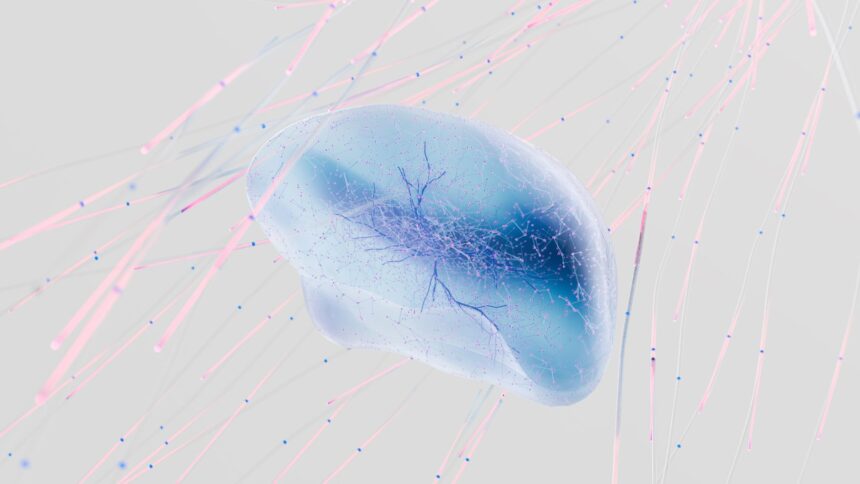
Digital fluorescence microscopy showing coordinated calcium waves propagating across astrocytes in response to glutamate, 1989
A landmark 1989 video by Yale neuroscientist Prof. Stephen J. Smith revealed that astrocytes—long dismissed as passive brain support cells—actively respond to neurotransmitters and regulate neural network states through coordinated calcium signaling, fundamentally reshaping neuroscience. — Photo by Google DeepMind on Pexels (Pexels License)
SHARE
1 min read|126 words

For decades, astrocytes were viewed as little more than scaffolding for neurons—passive housekeeping cells with no role in brain function. That changed in 1989 when Yale researcher Prof. Stephen J. Smith recorded a landmark video using early digital fluorescence microscopy. The footage revealed something astonishing: astrocytes actively respond to neurotransmitters through coordinated calcium signaling, communicating in organized patterns across networks. This observation upended established neuroscientific dogma and sparked three decades of subsequent research proving that astrocytes are dynamic regulators of brain state. Today, we understand these cells influence consciousness, arousal, and engagement—essential aspects of neural function previously attributed to neurons alone. The 1989 discovery exemplifies how technological advances in microscopy can reveal hidden layers of biological intelligence, fundamentally reshaping how we conceptualize brain organization and function.

Was this article helpful?
GMJ Brief · Announcement

📰 Read the full article: Astrocytes as Brain Regulators: How a 1989 Video Revealed Hidden Neural Intelligence →

Related reference
  • Calcium · Ingredient
Share This Article
Facebook LinkedIn Bluesky Copy Link Print
GMJ
ByProf. Giorgi Pkhakadze
Follow:
Prof. Giorgi Pkhakadze, MD, MPH, PhD, is Editor-in-Chief of the Georgian Medical Journal and Chair of the Public Health Institute of Georgia (PHIG). He is Professor and Head of the Department of Social and Behavioural Sciences at David Tvildiani Medical University, and Secretary/Treasurer of the UEMS Section of Public Health. ORCID: 0000-0001-7609-4515.

Submit Your Paper →

Georgia's peer-reviewed open-access medical journal. No APC until January 2027.
Submit Manuscript →
Creatine in Children With Brain Injury: Evidence Contradicts Safety Fears

A 20-year body of controlled trials demonstrates that creatine supplementation is safe…

How Exercise Rebalances Muscle Aging at the Cellular Level

Exercise suppresses DEAF1, a transcription factor that becomes overactive with age and…

How a single stem cell in bone marrow generates your entire immune system

A single hematopoietic stem cell in bone marrow can differentiate into every…

Submit Your Paper to GMJ

No APC until January 2027.
Submit Manuscript →

You Might Also Like

Medical illustration showing lymphatic system and urinary tract connection

Anatomical Mystery Solved: NEJM Documents Rare Lymphatic-Urinary Fistula Case

By
Prof. Giorgi Pkhakadze
15/07/2026
Medical illustration of pancreatic cancer treatment research and targeted therapy development

Announcement: New Pancreatic Cancer Drug Daraxonrasib Shows Promise in Phase 2 Trial

By
Prof. Giorgi Pkhakadze
09/06/2026
Dr Nicola Rose MHRA Executive Director receiving OBE recognition for public health contributions

Regulatory Excellence Recognized: MHRA Leader Receives OBE for Science Leadership

By
Prof. Giorgi Pkhakadze
05/07/2026
Pharmaceutical industry executive leadership transitions and corporate changes

Pharmaceutical Leadership Landscape Shifts as Executives Pursue New Opportunities

By
Prof. Giorgi Pkhakadze
11/07/2026
Facebook Twitter Youtube Instagram
Company
  • Privacy Policy
  • Contact US
  • GMJ Journal
  • Submit Manuscript
  • Editorial Team
  • Register at GMJ
  • Terms of Use

Subscribe to GMJ News — Click here

Join Community
© 2026 Georgian Medical Journal (GMJ). Published by the Public Health Institute of Georgia (PHIG). All rights reserved.
Welcome Back!

Sign in to your account

Username or Email Address
Password

Lost your password?

Not a member? Sign Up