By using this site, you agree to the Privacy Policy and Terms of Use.
Accept
GMJ NewsGMJ NewsGMJ News
  • Latest News
    • GMJ Briefs
  • Podcast & Media
    • Podcast Episodes
    • GMJ Audio
    • GMJ Videos
  • Research Digest
    • New Studies
    • Georgian Research
    • Data & Numbers
  • Policy & Systems
    • Health Policy
    • Quality & Safety
    • Migration & Health
    • Global Health
  • Practice
    • Clinical Updates
    • Case Discussions
    • Pharmacy & Prescribing
    • Ingredients A-Z
  • Perspectives
    • Editorial
    • Explainers
    • Voices
    • Letters
  • GMJ Articles
    • Vol. 1 Issue 2 (2026)
    • Vol. 1 Issue 1 (2026)
    • Pre-Launch Articles (2025)
  • Read the Journal →
  • About GMJ News
Notification Show More
Font ResizerAa
GMJ NewsGMJ News
Font ResizerAa
  • Latest News
    • GMJ Briefs
  • Podcast & Media
    • Podcast Episodes
    • GMJ Audio
    • GMJ Videos
  • Research Digest
    • New Studies
    • Georgian Research
    • Data & Numbers
  • Policy & Systems
    • Health Policy
    • Quality & Safety
    • Migration & Health
    • Global Health
  • Practice
    • Clinical Updates
    • Case Discussions
    • Pharmacy & Prescribing
    • Ingredients A-Z
  • Perspectives
    • Editorial
    • Explainers
    • Voices
    • Letters
  • GMJ Articles
    • Vol. 1 Issue 2 (2026)
    • Vol. 1 Issue 1 (2026)
    • Pre-Launch Articles (2025)
  • Read the Journal →
  • About GMJ News
Follow US
GMJ News > GMJ Briefs > Japan’s Healthcare Crisis: The Invisible Exodus of Young Physicians from Essential Specialties

Japan’s Healthcare Crisis: The Invisible Exodus of Young Physicians from Essential Specialties

GMJ
Last updated: 13/07/2026 19:06
By
Prof. Giorgi Pkhakadze
Share
1 Min Read
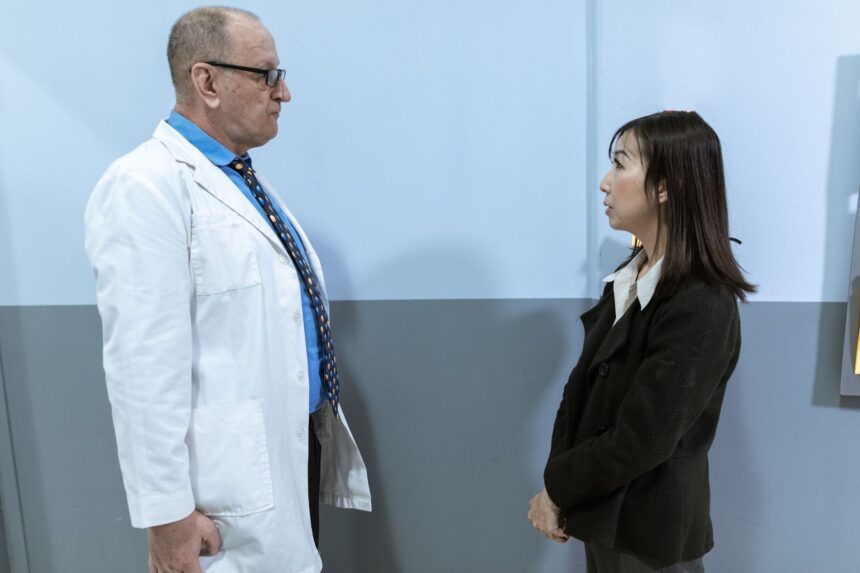
Japanese medical students and young doctors in hospital setting representing workforce crisis
Japanese government data show young doctors abandoning core specialties, with internal medicine trainee numbers falling 48% while cosmetic medicine entry rises 16-fold. Financial pressures and regulatory constraints drive this 'silent strike' threatening universal healthcare access. — Photo by RDNE Stock project on Pexels (Pexels License)
SHARE
1 min read|132 words

Japan’s healthcare system faces a critical workforce shortage as young physicians increasingly abandon core medical specialties in what experts describe as a ‘silent strike.’ Government data reveals internal medicine trainee enrollment has plummeted 48% between 2006 and 2024, while general surgery and pediatrics have experienced declines of 36% and 17% respectively. This exodus stems from severe financial pressures on medical institutions, with clinic losses rising from 24.6% in 2023 to 39.2% in 2024. As a result, young doctors are shifting toward cosmetic medicine—a field operating outside Japan’s universal healthcare system—where entry rates have surged 16-fold over two decades. Unlike traditional specialties bound by national insurance regulations, cosmetic practice offers flexible pricing and greater financial stability. This structural crisis threatens the sustainability of Japan’s universal healthcare access and mirrors emerging patterns across other developed nations facing similar financing challenges.

Was this article helpful?

GMJ Brief · Announcement

📰 Read the full article: Young doctors flee core specialties in Japan’s ‘silent strike’ amid financial pressures →

Share This Article
Facebook LinkedIn Bluesky Copy Link Print
GMJ
ByProf. Giorgi Pkhakadze
Follow:
Prof. Giorgi Pkhakadze, MD, MPH, PhD, is Editor-in-Chief of the Georgian Medical Journal and Chair of the Public Health Institute of Georgia (PHIG). He is Professor and Head of the Department of Social and Behavioural Sciences at David Tvildiani Medical University, and Secretary/Treasurer of the UEMS Section of Public Health. ORCID: 0000-0001-7609-4515.

Submit Your Paper →

Georgia's peer-reviewed open-access medical journal. No APC until January 2027.
Submit Manuscript →
Eye-tracking study reveals depression shifts children’s attention to sad faces

Eye-tracking research reveals that depression alters how children visually attend to emotional…

Why Nearly Half of U.S. Counties Lack Maternity Care Despite Falling Birth Rates

Nearly 50% of U.S. counties lack an obstetrician-gynecologist despite falling birth rates.…

Why Sunlight Triggers Sneezing in Some People: The Science Behind Photic Sneeze Reflex

Approximately 18–35% of people experience involuntary sneezing when exposed to bright sunlight—a…

Submit Your Paper to GMJ

No APC until January 2027.
Submit Manuscript →

You Might Also Like

EBOLA CROSS-BORDER TRANSMISSION: DRC-UGANDA PHEIC DECLARED

By
Prof. Giorgi Pkhakadze
31/05/2026
Healthcare workers in Malawi distributing mosquito nets as part of malaria prevention program

Malawi’s Malaria Victory: How Community-Based Interventions Transformed Outcomes in Five Years

By
Prof. Giorgi Pkhakadze
17/06/2026
NHS healthcare workers using AI administrative tools at computer workstations

NHS Launches Europe’s Largest Healthcare AI Initiative, Targeting 500,000 Staff

By
Prof. Giorgi Pkhakadze
12/07/2026

WHO PHEIC Declaration – Cross-Border Ebola Transmission DRC-Uganda

By
Prof. Giorgi Pkhakadze
31/05/2026
Facebook Twitter Youtube Instagram
Company
  • Privacy Policy
  • Contact US
  • GMJ Journal
  • Submit Manuscript
  • Editorial Team
  • Register at GMJ
  • Terms of Use

Subscribe to GMJ News — Click here

Join Community
© 2026 Georgian Medical Journal (GMJ). Published by the Public Health Institute of Georgia (PHIG). All rights reserved.
Welcome Back!

Sign in to your account

Username or Email Address
Password

Lost your password?

Not a member? Sign Up