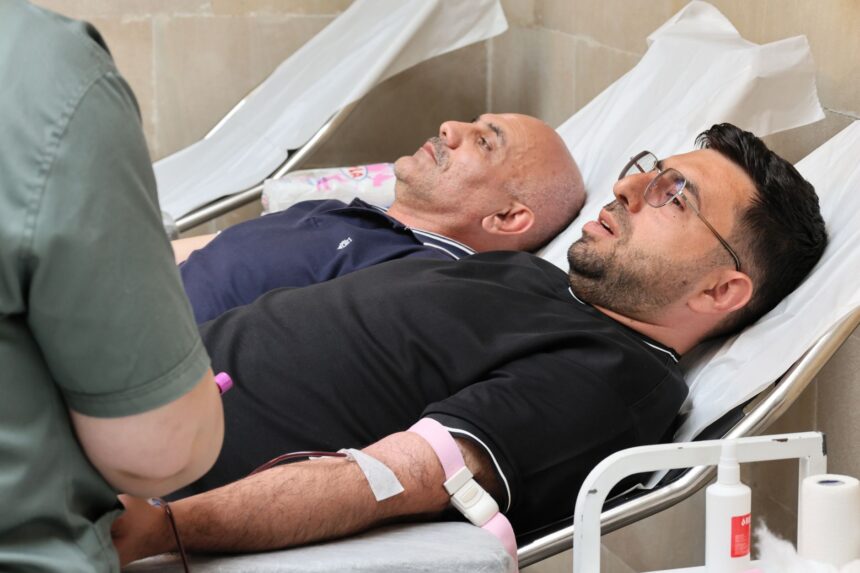
A groundbreaking initiative in rural Sierra Leone demonstrates that community-led blood donation programmes can outperform traditional top-down models in both cost-effectiveness and sustainability. The Gi4SaveLife programme, implemented across Kono and Kenema districts over eight months, mobilised 376 unique donors and collected 539 blood units—starting from zero voluntary donations at baseline. The programme achieved a remarkable 43% repeat donation rate, a critical indicator of sustainable supply chains in resource-limited settings.
Central to the programme’s success was its reliance on peer education and social recognition rather than monetary incentives or external pressure. By grounding the initiative in local trust and community ownership, Gi4SaveLife reduced cost per unit by 40% compared to standard NGO-led models. The findings, published in BMJ Global Health, suggest that empowering communities to lead their own health solutions yields both financial and epidemiological benefits—a model with profound implications for blood security across the African continent.
Read the full article on GMJ Newsroom.
Was this article helpful?