


GMJ Briefs

Specialized Guide Runner Training Reduces Injury Risk by 73 Percent
Research shows properly trained guide runners reduce injury risk by 73 percent in visually impaired athlete partnerships, requiring minimum 12-week…

What Matters for Brain Health: Three Evidence-Based Magnesium Insights
Three key research findings show total magnesium intake matters more than supplement form for brain health.

What Healthcare Facilities Need to Know About the Omnicell Syringe Label Recall
Healthcare facilities must implement manual verification protocols and audit procedures following the Omnicell syringe label recall affecting automated compounding systems.
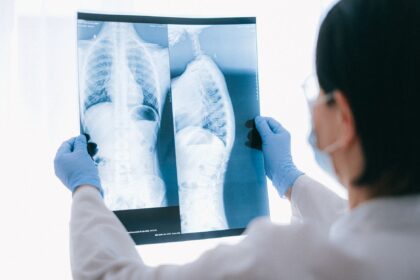
Community-Based Mobile Screening Brings Lung Cancer Detection to NHS Doorstep
NHS mobile lung screening units have detected 10,678 cancers with 77% caught at early stages through innovative community-based healthcare delivery.

90% of ICU Patients Report Isolation: London’s Rooftop Ward Offers Evidence-Based Solution
Research shows 90% of ICU patients experience disconnection from nature—new rooftop facility demonstrates significant recovery improvements.
NEJM Documents Rare ‘Black Esophagus’ Case: Why Clinicians Must Know This Gastrointestinal Emergency
NEJM highlights rare acute esophageal necrosis with distinctive 'black esophagus' appearance, emphasizing the critical role of early recognition in improving…

Over 12,000 PFAS Compounds Identified; Advanced Blood Tests Now Detect Chemicals at Nanogram Levels
Advanced blood testing can now detect PFAS compounds at nanogram levels, enabling comprehensive assessment of exposure across populations.

New US Dietary Guidelines Navigate Science, Politics, and Public Health Implementation
The 2025-2030 Dietary Guidelines balance scientific evidence with implementation realities as federal nutrition programs affect millions of Americans.