By using this site, you agree to the Privacy Policy and Terms of Use.
Accept
GMJ NewsGMJ NewsGMJ News
  • Latest News
    • GMJ Briefs
  • Podcast & Media
    • Podcast Episodes
    • GMJ Audio
    • GMJ Videos
  • Research Digest
    • New Studies
    • Georgian Research
    • Data & Numbers
  • Policy & Systems
    • Health Policy
    • Quality & Safety
    • Migration & Health
    • Global Health
  • Practice
    • Clinical Updates
    • Case Discussions
    • Pharmacy & Prescribing
    • Ingredients A-Z
  • Dictionary
    • Browse A–Z
    • About the Project
    • Contribute a Term
  • Perspectives
    • Editorial
    • Explainers
    • Voices
    • Letters
  • Health Topics
  • GMJ Articles
    • Vol. 1 Issue 2 (2026)
    • Vol. 1 Issue 1 (2026)
    • Pre-Launch Articles (2025)
  • Read the Journal →
  • About GMJ News
Notification Show More
Font ResizerAa
GMJ NewsGMJ News
Font ResizerAa
  • Latest News
    • GMJ Briefs
  • Podcast & Media
    • Podcast Episodes
    • GMJ Audio
    • GMJ Videos
  • Research Digest
    • New Studies
    • Georgian Research
    • Data & Numbers
  • Policy & Systems
    • Health Policy
    • Quality & Safety
    • Migration & Health
    • Global Health
  • Practice
    • Clinical Updates
    • Case Discussions
    • Pharmacy & Prescribing
    • Ingredients A-Z
  • Dictionary
    • Browse A–Z
    • About the Project
    • Contribute a Term
  • Perspectives
    • Editorial
    • Explainers
    • Voices
    • Letters
  • Health Topics
  • GMJ Articles
    • Vol. 1 Issue 2 (2026)
    • Vol. 1 Issue 1 (2026)
    • Pre-Launch Articles (2025)
  • Read the Journal →
  • About GMJ News
Follow US
GMJ News > GMJ Briefs > Pruritus Drives Nearly 40% of Dermatology Visits—Yet Scratching Worsens Outcomes

Pruritus Drives Nearly 40% of Dermatology Visits—Yet Scratching Worsens Outcomes

GMJ
Last updated: 25/08/2026 09:29
By
Prof. Giorgi Pkhakadze
Share
1 Min Read
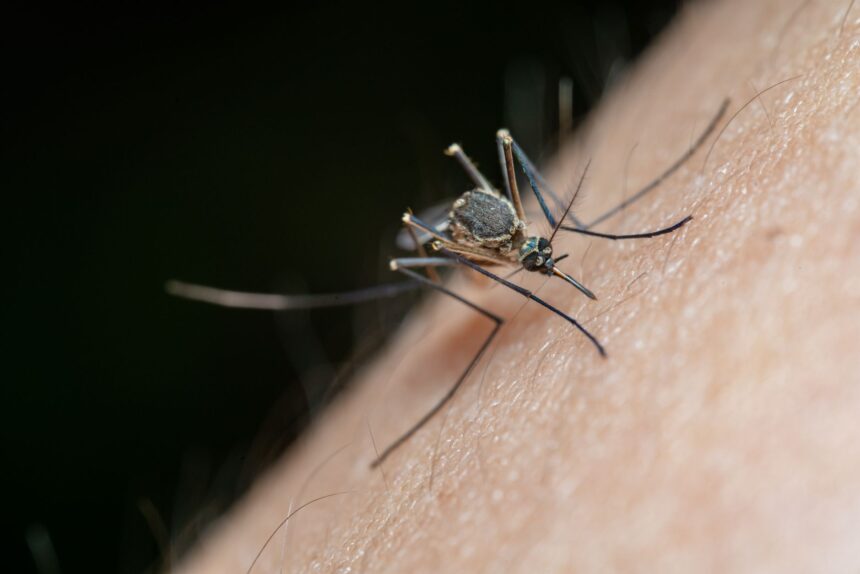
Microscopic view of skin inflammation from insect bite showing histamine release and inflammatory cascade triggered by scratching
Scratching insect bites temporarily masks itching through nerve activation but triggers a rebound intensification of itching within hours through inflammation and histamine release. Evidence-based alternatives including cold therapy and topical corticosteroids break the itch-scratch cycle more effectively than mechanical scratching. — Photo by Jimmy Chan on Pexels (Pexels License)
SHARE
1 min read|137 words

Itching accounts for 30-40% of dermatology clinic visits, making pruritus one of the most common complaints physicians encounter. Despite its prevalence, patients often unknowingly worsen their condition through the most intuitive response: scratching.

Recent dermatological research reveals that mechanical trauma from scratching initiates a destructive cascade. Initial histamine release rises to 40%, escalating to an 88% secondary itching response through alloknesis—a phenomenon where the skin becomes hypersensitive to itch stimuli. The inflammatory response post-scratch reaches 75%, significantly exceeding the initial itch sensation.

Clinical evidence demonstrates that evidence-based alternatives such as cold compression and topical hydrocortisone provide superior relief without tissue damage or prolonged symptom duration. As scratching perpetuates the cycle and increases secondary infection risk, educating patients on these alternatives represents a critical opportunity to reduce dermatology burden and improve patient outcomes.

Read the full article on GMJ Newsroom.

Submit Your Paper
GMJ_Submit_Banner

Was this article helpful?

GMJ Brief · Key Finding

📰 Read the full article: Why Scratching Insect Bites Worsens Itching: The Science Behind the Itch-Scratch Cycle →

Related reference
  • Hydrocortisone · Drug
Share This Article
Facebook LinkedIn Bluesky Copy Link Print
GMJ
ByProf. Giorgi Pkhakadze
Follow:
Prof. Giorgi Pkhakadze, MD, MPH, PhD, is Editor-in-Chief of the Georgian Medical Journal and Chair of the Public Health Institute of Georgia (PHIG). He is Professor and Head of the Department of Social and Behavioural Sciences at David Tvildiani Medical University, and Secretary/Treasurer of the UEMS Section of Public Health. ORCID: 0000-0001-7609-4515.

Submit Your Paper →

Georgia's peer-reviewed open-access medical journal. No APC until January 2027.
Submit Manuscript →
Ethiopia Study Reveals Stakeholder Concerns Over Novel Malaria Treatments

A qualitative study in Ethiopia reveals that health workers and patients view…

Sitafloxacin monotherapy matches doxycycline-rifampicin for brucellosis treatment in landmark trial

A multicenter randomized trial in The Lancet Regional Health – Western Pacific…

Ultra-processed foods linked to higher kidney cancer risk in large US study

A prospective analysis of over 300,000 US adults found that higher consumption…

Submit Your Paper to GMJ

No APC until January 2027.
Submit Manuscript →

You Might Also Like

FDA Class I recall notice for VOCSN V+Pro ventilators showing medical device safety alert

What Healthcare Facilities Need to Know About the VOCSN V+Pro Ventilator Recall

By
Prof. Giorgi Pkhakadze
24/06/2026
Microscopic image of T cells showing HIV-induced cellular transformation from CD4+ to CD8+ phenotype

HIV Rewires Immune System Through Unprecedented T Cell Conversion

By
Prof. Giorgi Pkhakadze
14/06/2026
Medical professionals in operating room demonstrating surgical safety protocols with tranexamic acid

Low-Cost Antifibrinolytic Drug Shows Promise in Reducing Surgical Bleeding Worldwide

By
Prof. Giorgi Pkhakadze
04/07/2026
Illustration of interprofessional heart failure care team: cardiologist, nurse practitioner, pharmacist, and heart failure patient

Interprofessional Teams Transform Heart Failure Management, Study Shows

By
Prof. Giorgi Pkhakadze
19/08/2026
Facebook Twitter Youtube Instagram
Company
  • Privacy Policy
  • Contact US
  • GMJ Journal
  • Submit Manuscript
  • Editorial Team
  • Register at GMJ
  • Terms of Use

Subscribe to GMJ News — Click here

Join Community
© 2026 Georgian Medical Journal (GMJ). Published by the Public Health Institute of Georgia (PHIG). All rights reserved.
Welcome Back!

Sign in to your account

Username or Email Address
Password

Lost your password?