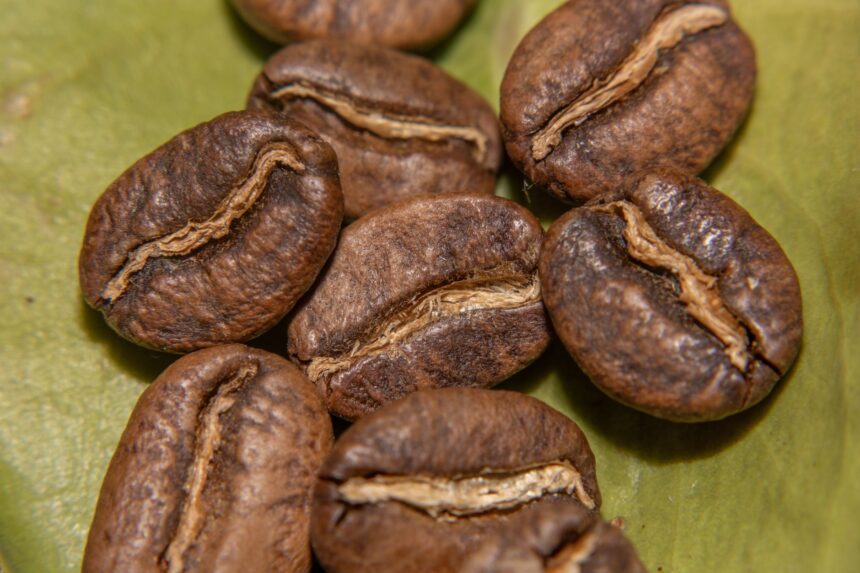
New research demonstrates that coffee roasting fundamentally reshapes the polyphenolic composition of your daily brew, rather than simply degrading its nutritional value. Light roast coffee retains the highest concentration of chlorogenic acids at 8.0 mg/g—compounds with demonstrated benefits for glucose regulation and vascular health—while dark roasts contain only 4.35 mg/g, representing a 46% reduction.
However, this chemical transformation does not diminish coffee’s overall antioxidant potential. As roasting temperatures increase, darker roasts develop alternative bioactive compounds, including gallic acids, through thermal decomposition processes. These compounds possess distinct antioxidant properties that differ from chlorogenic acids but remain physiologically relevant.
The research underscores an important principle: different roast levels deliver measurable health benefits through distinct chemical pathways and compound profiles, offering consumers flexibility in selecting coffee preparations aligned with their individual health objectives.
Read the full article on GMJ Newsroom.

Was this article helpful?