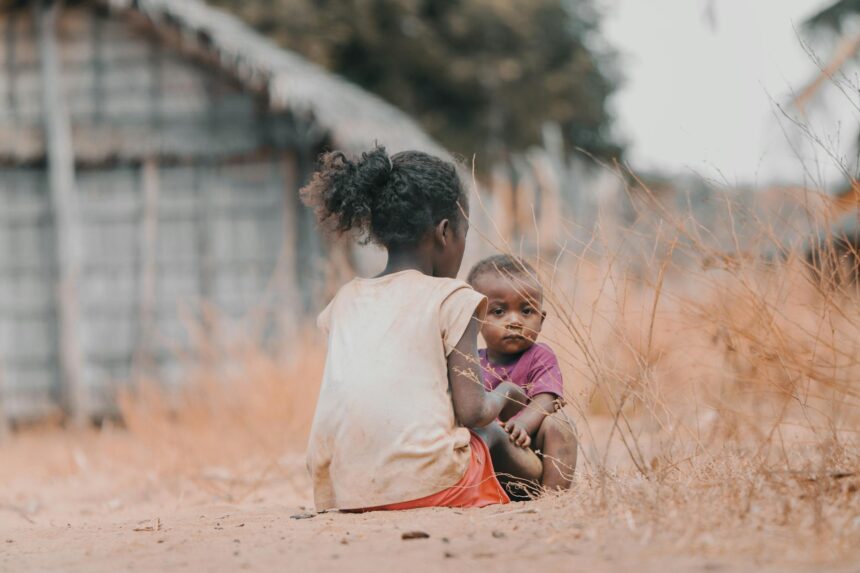
New data from 17 sub-Saharan African countries quantifies a stark reality: children living in rural, economically disadvantaged households experience malaria infection rates up to three times higher than their urban, wealthier counterparts. This disparity persists despite variations in healthcare infrastructure and prevention program coverage across the studied nations.
Geographic location emerged as the strongest predictor of malaria risk among children under five, even after accounting for socioeconomic and healthcare access factors. The analysis suggests that rural residence compounds poverty-related vulnerabilities, creating cumulative exposure risks through multiple pathways including limited treatment access, lower prevention coverage, and potentially greater vector exposure.
These findings underscore how malaria remains fundamentally a disease of inequality, demanding targeted interventions addressing geographic and economic barriers to protection.
Was this article helpful?