By using this site, you agree to the Privacy Policy and Terms of Use.
Accept
GMJ NewsGMJ NewsGMJ News
  • Latest News
    • GMJ Briefs
  • Podcast & Media
    • Podcast Episodes
    • GMJ Audio
    • GMJ Videos
  • Research Digest
    • New Studies
    • Georgian Research
    • Data & Numbers
  • Policy & Systems
    • Health Policy
    • Quality & Safety
    • Migration & Health
    • Global Health
  • Practice
    • Clinical Updates
    • Case Discussions
    • Pharmacy & Prescribing
    • Ingredients A-Z
  • Perspectives
    • Editorial
    • Explainers
    • Voices
    • Letters
  • GMJ Articles
    • Vol. 1 Issue 2 (2026)
    • Vol. 1 Issue 1 (2026)
    • Pre-Launch Articles (2025)
  • Read the Journal →
  • About GMJ News
Notification Show More
Font ResizerAa
GMJ NewsGMJ News
Font ResizerAa
  • Latest News
    • GMJ Briefs
  • Podcast & Media
    • Podcast Episodes
    • GMJ Audio
    • GMJ Videos
  • Research Digest
    • New Studies
    • Georgian Research
    • Data & Numbers
  • Policy & Systems
    • Health Policy
    • Quality & Safety
    • Migration & Health
    • Global Health
  • Practice
    • Clinical Updates
    • Case Discussions
    • Pharmacy & Prescribing
    • Ingredients A-Z
  • Perspectives
    • Editorial
    • Explainers
    • Voices
    • Letters
  • GMJ Articles
    • Vol. 1 Issue 2 (2026)
    • Vol. 1 Issue 1 (2026)
    • Pre-Launch Articles (2025)
  • Read the Journal →
  • About GMJ News
Follow US
GMJ News > GMJ Briefs > Three Essential Facts About Hantavirus Prevention and Clinical Management

Three Essential Facts About Hantavirus Prevention and Clinical Management

GMJ
Last updated: 17/07/2026 02:26
By
Prof. Giorgi Pkhakadze
Share
1 Min Read
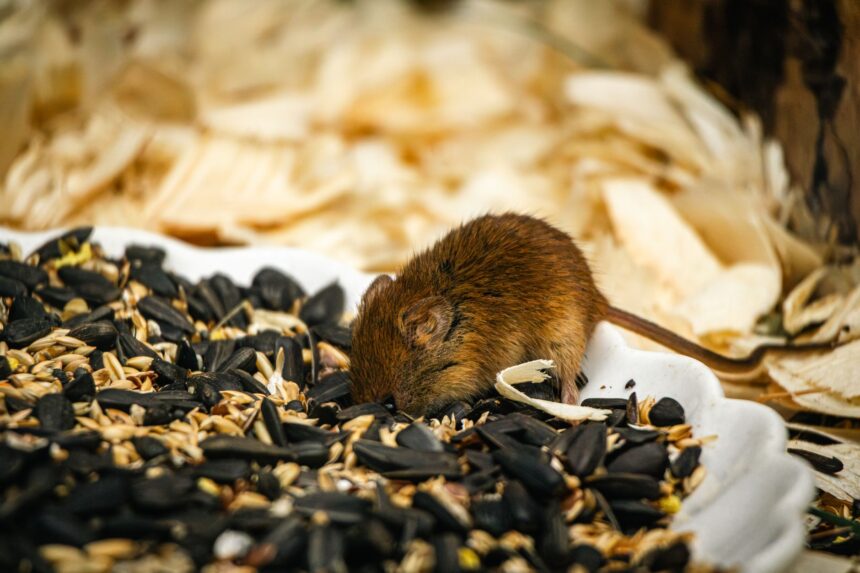
Medical illustration showing hantavirus transmission pathway from rodents to humans
UK Health Security Agency updates hantavirus guidance, emphasising continued surveillance for rare but potentially fatal viral infections with case fatality rates up to 50%. Healthcare professionals must maintain awareness despite low UK incidence. — Photo by Owen Sellwood on Pexels (Pexels License)
SHARE
1 min read|133 words

The updated UK Health Security Agency guidance identifies three critical facts that healthcare professionals and public health officials must understand regarding hantavirus management. First, hantaviruses cause two distinct clinical syndromes with markedly different mortality profiles: hantavirus pulmonary syndrome with fatality rates exceeding 50%, and haemorrhagic fever with renal syndrome with rates between 1% and 15%. Second, human infections occur through inhalation of virus-contaminated aerosols from rodent excreta or direct contact with infected animals, making rodent control and proper hygiene essential preventative measures.

Third and most significantly, no specific antiviral treatment or vaccine currently exists for hantavirus infections. This absence of targeted therapeutics underscores the critical importance of prevention strategies, including rodent exclusion measures, proper personal protective equipment for at-risk workers, and heightened clinical surveillance. Early recognition of symptoms enables supportive care optimization, potentially improving patient outcomes.

Was this article helpful?

GMJ Brief · Takeaway

📰 Read the full article: UK Health Security Agency Issues Updated Hantavirus Guidance as Rare Disease Remains Critical Health Concern →

Share This Article
Facebook LinkedIn Bluesky Copy Link Print
GMJ
ByProf. Giorgi Pkhakadze
Follow:
Prof. Giorgi Pkhakadze, MD, MPH, PhD, is Editor-in-Chief of the Georgian Medical Journal and Chair of the Public Health Institute of Georgia (PHIG). He is Professor and Head of the Department of Social and Behavioural Sciences at David Tvildiani Medical University, and Secretary/Treasurer of the UEMS Section of Public Health. ORCID: 0000-0001-7609-4515.

Submit Your Paper →

Georgia's peer-reviewed open-access medical journal. No APC until January 2027.
Submit Manuscript →
Why Coffee Affects Everyone Differently: The Science of Caffeine Metabolism

Caffeine metabolism is governed by liver enzymes, genetics, and lifestyle factors, explaining…

PQQ Shows Consistent Benefits for Inflammation, Energy, and Memory in Human Trials

Pyrroloquinoline quinone (PQQ), a naturally occurring micronutrient, shows consistent improvements in inflammatory…

Matcha vs Steeped Green Tea: Why Preparation Chemistry Matters More Than the Leaf

Matcha and steeped green tea contain the same plant but differ fundamentally…

Submit Your Paper to GMJ

No APC until January 2027.
Submit Manuscript →

You Might Also Like

Diagram showing brain's glymphatic system with cerebrospinal fluid flow and astrocyte network

Scientists Uncover Brain’s Continuous Waste Removal System Critical for Neurodegeneration Prevention

By
Prof. Giorgi Pkhakadze
03/06/2026
Medical illustration showing pregnancy medication safety considerations and NSAID research

Managing Pain in Early Pregnancy: What Patients and Clinicians Need to Know About NSAIDs

By
Prof. Giorgi Pkhakadze
16/07/2026
Healthcare professionals and diverse patients illustrating language barrier challenges in medical settings

Professional Medical Interpreters: A Critical Tool for Reducing Healthcare Errors

By
Prof. Giorgi Pkhakadze
26/06/2026
Healthcare system transformation and pharmaceutical innovation

Breaking Down Silos: How China’s Coordinated Biotech Strategy Is Reshaping Drug Development

By
Prof. Giorgi Pkhakadze
14/06/2026
Facebook Twitter Youtube Instagram
Company
  • Privacy Policy
  • Contact US
  • GMJ Journal
  • Submit Manuscript
  • Editorial Team
  • Register at GMJ
  • Terms of Use

Subscribe to GMJ News — Click here

Join Community
© 2026 Georgian Medical Journal (GMJ). Published by the Public Health Institute of Georgia (PHIG). All rights reserved.
Welcome Back!

Sign in to your account

Username or Email Address
Password

Lost your password?

Not a member? Sign Up