By using this site, you agree to the Privacy Policy and Terms of Use.
Accept
GMJ NewsGMJ NewsGMJ News
  • Latest News
    • GMJ Briefs
  • Podcast & Media
    • Podcast Episodes
    • GMJ Audio
    • GMJ Videos
  • Research Digest
    • New Studies
    • Georgian Research
    • Data & Numbers
  • Policy & Systems
    • Health Policy
    • Quality & Safety
    • Migration & Health
    • Global Health
  • Practice
    • Clinical Updates
    • Case Discussions
    • Pharmacy & Prescribing
    • Ingredients A-Z
  • Perspectives
    • Editorial
    • Explainers
    • Voices
    • Letters
  • Health Topics
  • GMJ Articles
    • Vol. 1 Issue 2 (2026)
    • Vol. 1 Issue 1 (2026)
    • Pre-Launch Articles (2025)
  • Read the Journal →
  • About GMJ News
Notification Show More
Font ResizerAa
GMJ NewsGMJ News
Font ResizerAa
  • Latest News
    • GMJ Briefs
  • Podcast & Media
    • Podcast Episodes
    • GMJ Audio
    • GMJ Videos
  • Research Digest
    • New Studies
    • Georgian Research
    • Data & Numbers
  • Policy & Systems
    • Health Policy
    • Quality & Safety
    • Migration & Health
    • Global Health
  • Practice
    • Clinical Updates
    • Case Discussions
    • Pharmacy & Prescribing
    • Ingredients A-Z
  • Perspectives
    • Editorial
    • Explainers
    • Voices
    • Letters
  • Health Topics
  • GMJ Articles
    • Vol. 1 Issue 2 (2026)
    • Vol. 1 Issue 1 (2026)
    • Pre-Launch Articles (2025)
  • Read the Journal →
  • About GMJ News
Follow US
GMJ News > GMJ Briefs > Six Key Micronutrients Control Neurotransmitter Function—Deficiencies Drive Depression and Cognitive Decline

Six Key Micronutrients Control Neurotransmitter Function—Deficiencies Drive Depression and Cognitive Decline

GMJ
Last updated: 09/08/2026 17:30
By
Prof. Giorgi Pkhakadze
Share
1 Min Read
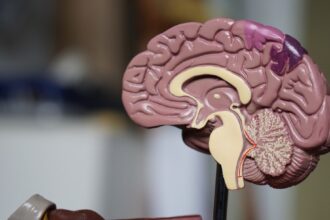
Infographic showing micronutrient cofactors in neurotransmitter synthesis pathways: B vitamins, zinc, magnesium, iron, copper, and selenium supporting serotonin, dopamine, acetylcholine, GABA, and glutamate systems
Vitamins B6, B12, folate, and minerals including zinc, magnesium, and iron function as essential cofactors in neurotransmitter synthesis and metabolism. Deficiencies impair dopamine, serotonin, and acetylcholine pathways, contributing to mood disorders and cognitive decline—making micronutrient assessment a core component of integrated psychiatric care. — Photo by Steve A Johnson on Unsplash (Unsplash License)
SHARE
1 min read|122 words

Research in nutritional neuroscience identifies six micronutrients that directly regulate synthesis and metabolism of the five primary neurotransmitter systems: B vitamins (B6, B12, folate), zinc, magnesium, iron, copper, and selenium. Clinical trials demonstrate that deficiencies in these nutrients are strongly associated with depression, anxiety, and age-related cognitive impairment, while repletion improves outcomes.

B12 and folate deficiency, for example, disrupts serotonin and dopamine synthesis, elevating depression risk. Zinc and magnesium depletion reduces dopamine and GABA function, impairing mood regulation and stress resilience. Iron deficiency impairs cognitive development and dopamine metabolism, affecting both children and adults. The implications are significant: many patients with persistent psychiatric symptoms despite pharmacotherapy may have underlying micronutrient insufficiency amenable to targeted supplementation.

Read the full article on GMJ Newsroom.

Was this article helpful?

GMJ Brief · Key Finding

📰 Read the full article: How Vitamins and Minerals Power Brain Chemistry: The Neurotransmitter Connection →

Related reference
  • Magnesium · Ingredient
  • Selenium · Ingredient
  • Folate · Ingredient
  • Copper · Ingredient
  • Iron · Ingredient
  • Zinc · Ingredient
  • GABA · Ingredient
Share This Article
Facebook LinkedIn Bluesky Copy Link Print
GMJ
ByProf. Giorgi Pkhakadze
Follow:
Prof. Giorgi Pkhakadze, MD, MPH, PhD, is Editor-in-Chief of the Georgian Medical Journal and Chair of the Public Health Institute of Georgia (PHIG). He is Professor and Head of the Department of Social and Behavioural Sciences at David Tvildiani Medical University, and Secretary/Treasurer of the UEMS Section of Public Health. ORCID: 0000-0001-7609-4515.

Submit Your Paper →

Georgia's peer-reviewed open-access medical journal. No APC until January 2027.
Submit Manuscript →
AI-designed ‘master key’ vaccine could target entire virus families, not individual strains

Artificial intelligence is enabling vaccine designers to target conserved viral proteins shared…

Immune ‘Peacemakers’ May Unlock Long-Term Disease Remission in Autoimmune Conditions

Regulatory immune cells that suppress harmful inflammation could unlock long-term disease remission…

Vitamin C supplements can interact with common medications: what patients need to know

High-dose vitamin C supplements can reduce the effectiveness of anticoagulants, statins, and…

Submit Your Paper to GMJ

No APC until January 2027.
Submit Manuscript →

You Might Also Like

Chart showing 12-month decline of olive oil antioxidants including alpha-tocopherol, polyphenols, and squalene

The 92% Decline: What Storage Science Says About Olive Oil Quality

By
Prof. Giorgi Pkhakadze
03/08/2026
Healthcare professional consulting with patient about mental health in primary care setting

Psychiatric Diagnoses Dramatically Elevate Suicide Risk in Primary Care Populations

By
Prof. Giorgi Pkhakadze
20/07/2026
Medical chart showing paracetamol poisoning statistics and outcomes data

Nearly One-Quarter of Paracetamol Overdose Patients Attempt Repeat Poisoning

By
Prof. Giorgi Pkhakadze
14/06/2026
Elderly person holding glucosamine supplement bottle with concerned expression

Glucosamine’s Hidden Risk: New Evidence Links Joint Supplements to Accelerated Memory Decline in Alzheimer’s Patients

By
Prof. Giorgi Pkhakadze
13/07/2026
Facebook Twitter Youtube Instagram
Company
  • Privacy Policy
  • Contact US
  • GMJ Journal
  • Submit Manuscript
  • Editorial Team
  • Register at GMJ
  • Terms of Use

Subscribe to GMJ News — Click here

Join Community
© 2026 Georgian Medical Journal (GMJ). Published by the Public Health Institute of Georgia (PHIG). All rights reserved.
Welcome Back!

Sign in to your account

Username or Email Address
Password

Lost your password?

Not a member? Sign Up