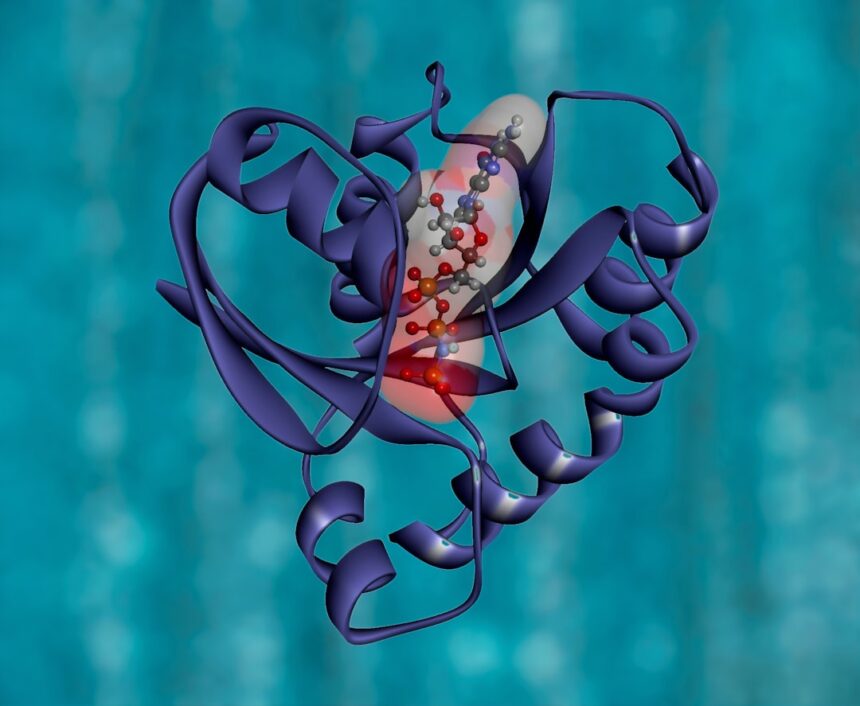
A groundbreaking molecular biology study from Scripps Research reveals that STING protein modifications create a persistent inflammatory state in Alzheimer’s disease brains. The research demonstrates that these chemical modifications trap the brain’s immune response in overdrive, keeping microglia—critical brain immune cells—in a state of constant activation. This finding provides crucial insight into why chronic inflammation characterizes Alzheimer’s pathology and continues throughout disease progression. Rather than mounting appropriate, temporary immune responses, the modified STING protein maintains destructive inflammation that progressively damages neuronal synapses. This discovery fundamentally changes our understanding of Alzheimer’s neuroinflammatory mechanisms and suggests that targeting these specific STING modifications could represent a promising therapeutic strategy for slowing disease progression.
Was this article helpful?