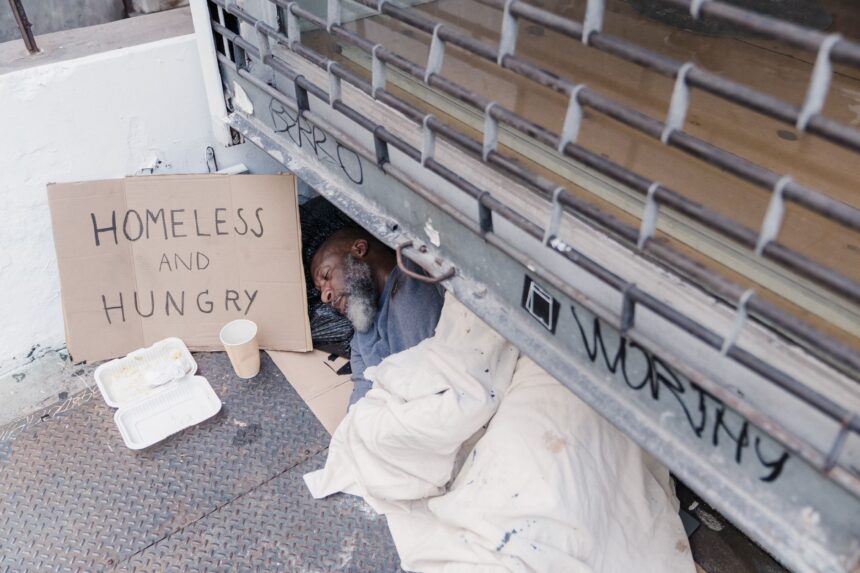
New data reveals a stark disparity in amputation rates between homeless and housed populations, with homeless individuals experiencing 5 times higher rates of limb loss. This alarming statistic underscores the severe consequences of delayed vascular care access in vulnerable communities.
Massachusetts General Hospital’s mobile vascular clinic directly addresses this disparity by delivering specialist expertise to shelters and encampments where homeless patients reside. The program eliminates transportation barriers and appointment accessibility issues that have historically prevented timely intervention in peripheral artery disease and infected wound management.
By bringing vascular surgeons and wound care specialists into community settings, the clinic enables early detection and treatment of conditions that would otherwise progress to amputation. This innovative healthcare delivery model demonstrates that targeted mobile interventions can meaningfully reduce health disparities among homeless populations and prevent costly emergency procedures. Read the full article on GMJ Newsroom.
Was this article helpful?