Updated 13/09/2026
🟠 Moderate Evidence
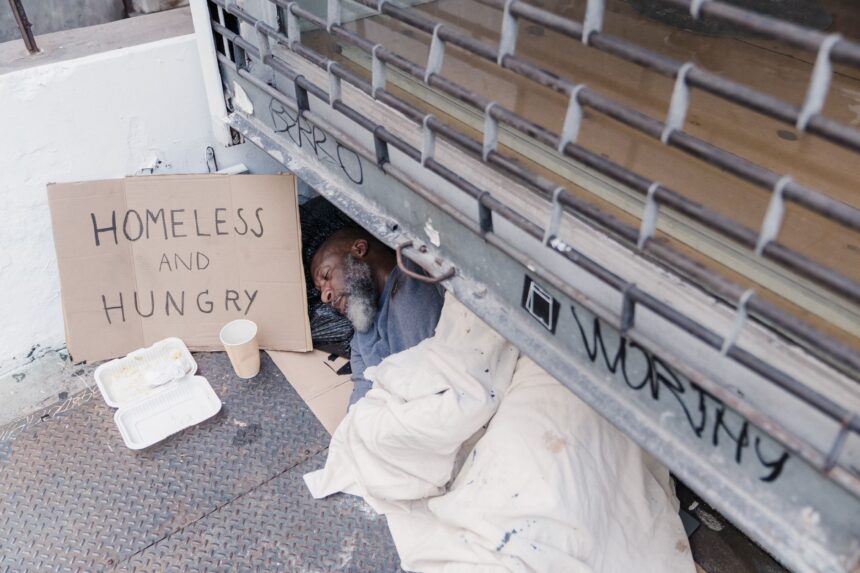
A novel mobile vascular clinic at Massachusetts General Hospital is preventing amputations among homeless patients by delivering specialized care directly to shelters and encampments. The program addresses the critical gap between emergency department visits and specialist care that often leads to preventable limb loss in this vulnerable population.
Key takeaways
- Mobile vascular clinic provides on-site wound care and circulation assessment at homeless shelters
- Program targets prevention of amputations caused by untreated peripheral artery disease and infections
- Initiative represents innovative healthcare delivery model for underserved populations
Healthcare Access Barriers Drive Amputation Disparities
Key factors contributing to limb loss among homeless patients

Source: Massachusetts General Hospital, 2026 | Georgian Medical Journal News
Bringing Vascular Expertise to the Streets
The Massachusetts General Hospital mobile vascular clinic represents a paradigm shift in delivering specialized care to homeless populations. According to STAT News, the program deploys vascular surgeons and wound care specialists directly to locations where homeless individuals congregate.
The initiative addresses a critical healthcare delivery gap identified by emergency medicine physicians who frequently encounter homeless patients with advanced peripheral artery disease and infected wounds. For more insights on clinical innovations in underserved populations, healthcare systems are increasingly adopting mobile care models.
Addressing Root Causes of Preventable Amputations
Homeless patients face multiple barriers to accessing timely vascular care, including lack of transportation, inability to maintain follow-up appointments, and inadequate wound care facilities. The mobile clinic model eliminates these structural barriers by providing comprehensive vascular assessment and treatment at the point of need.
Research published in PubMed demonstrates that homeless individuals experience significantly higher rates of lower extremity amputations due to delayed intervention for peripheral artery disease and diabetic complications. The Massachusetts General program specifically targets these preventable outcomes through proactive case finding and immediate intervention.
Early Results Show Promise for Scalable Model
Preliminary data from the Massachusetts General mobile vascular clinic suggest substantial improvements in limb salvage rates among participating homeless patients. The program’s success lies in its integration of wound care, infection management, and vascular intervention within the existing shelter and outreach infrastructure.
Healthcare policy experts view this model as potentially scalable to other urban centers with significant homeless populations. Studies on healthcare delivery innovation increasingly emphasize the importance of meeting patients where they are rather than expecting them to navigate complex healthcare systems.
Mobile vascular care delivery eliminates access barriers that typically result in emergency department presentations with advanced, often irreversible complications requiring amputation.
— Massachusetts General Hospital Vascular Team (STAT News, 2026)
What this means
Frequently asked questions
Why are homeless individuals at higher risk for amputations?
Homeless populations face multiple risk factors including delayed medical care, poor wound hygiene, higher rates of diabetes and peripheral artery disease, and inability to maintain follow-up appointments with specialists.
How does mobile vascular care differ from traditional clinic visits?
Mobile clinics bring vascular surgeons and specialized equipment directly to shelters and outreach locations, eliminating transportation barriers and providing immediate assessment and treatment.
Can this model be replicated in other cities?
The Massachusetts General program provides a framework that could be adapted to other urban areas with significant homeless populations, though implementation would require coordination between hospitals, social services, and local government agencies.
The Massachusetts General mobile vascular clinic demonstrates how innovative healthcare delivery models can address complex social determinants of health. As healthcare systems increasingly recognize the intersection between housing instability and medical outcomes, mobile specialty care represents a promising approach to preventing costly and life-altering complications in vulnerable populations.
Source: When it’s time to save a limb, novel clinic meets unhoused people where they are
🗺️ Find certified Georgian healthcare providers: sheniekimi.ge — Georgia Health Map · 998 clinics · 6,600+ doctors · 2,296 pharmacies
Was this article helpful?
Disclaimer. This article is health journalism intended for general information and education. It is not medical advice and is not a substitute for professional diagnosis or treatment. Always consult a qualified healthcare provider about your individual circumstances. Full disclaimer →
Related Coverage




Editorial standards. This article was produced under the GMJ News editorial process, with oversight by the GMJ Editorial Board. Our editorial process. Spotted an error? Contact the editorial team.