


Home › Topics › Peripheral Artery Disease
Peripheral Artery Disease
GMJ News knowledge hub · last reviewed October 2026 · Georgian Medical Journal
SummaryStatisticsGlossaryGMJ newsFAQDocumentsOrganizationsResearch
Peripheral artery disease (PAD) — caused by atherosclerosis narrowing the arteries supplying blood to the legs — affects approximately 237 million people globally, causing leg pain on walking (claudication), wounds that fail to heal and — in severe critical limb threatening ischaemia (CLTI) — a risk of amputation, sepsis and death that carries a 1-year mortality comparable to many cancers (WHO/Lancet 2020). PAD is the most common cause of non-traumatic lower limb amputation globally. Over 73% of global PAD burden is in LMICs, where access to diagnosis and revascularisation is critically limited.
Key messages
237 million people — 73% in LMICs
Peripheral artery disease affects approximately 237 million people globally — with 73% of the burden in LMICs, where access to diagnosis and revascularisation is severely limited and amputation rates are dramatically higher (Lancet 2020 / WHO).
Leading cause of non-traumatic amputation
PAD — causing critical limb threatening ischaemia (CLTI) in severe cases — is the most common cause of non-traumatic lower limb amputation globally. Major amputation carries 1-year mortality comparable to many cancers (approximately 30%) and profoundly impairs quality of life.
Smoking and diabetes are key drivers
Smoking is the most powerful PAD risk factor (approximately 4-fold increased risk). Diabetes doubles PAD risk and dramatically worsens outcomes — diabetic patients with PAD have higher amputation rates due to peripheral neuropathy masking symptoms until disease is advanced.
ABI — the simple diagnostic test
The ankle-brachial index (ABI ≤0.90) — comparing ankle to arm blood pressure using a handheld Doppler — is the recommended diagnostic standard for PAD. Simple, non-invasive, cheap and accurate — yet dramatically underutilised in routine clinical practice.
Antiplatelet, statin, smoking cessation
Three evidence-based medical interventions reduce PAD cardiovascular and limb events: antiplatelet therapy (aspirin or clopidogrel — rivaroxaban 2.5mg BD + aspirin in COMPASS trial reduces major adverse limb events by 46%); high-intensity statins; and smoking cessation.
Revascularisation for advanced disease
Endovascular revascularisation (angioplasty/stenting) or surgical bypass restores blood flow in claudication and CLTI. A "limb salvage" multidisciplinary approach (vascular surgeon, interventional radiologist, diabetologist, podiatrist, wound nurse) reduces amputation rates in CLTI.
Key statistics
PAD age-standardised prevalence per 1,000 population by region — Lancet 2020
Source: Lancet 2020 global PAD prevalence study. LMICs have the highest burden and fewest resources.
Glossary of key terms
Latest GMJ coverage
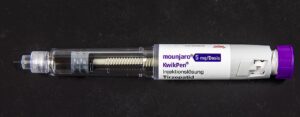
GLP-1 medications reduce deaths and amputations in type 2 diabetes with peripheral artery disease
14/09/2026

Mammals May Possess Hidden Regenerative Capacity: Scientists Redirect Healing Toward Tissue Regrowth Instead of Scarring
10/07/2026

Mobile Vascular Clinic Prevents Amputations Among Homeless Patients in Boston
05/07/2026

L-Arginine’s Hidden Role: From Vascular Function to Alzheimer’s Protein Dynamics
05/10/2026

The B-Vitamin Methylation Triad: How B12, Folate, and B6 Work Together in Cardiovascular and Neurological Health
31/07/2026

Diabetic Foot Ulcer in a 67-Year-Old Man: Clinical Case and Management Lessons
18/08/2026
Frequently asked questions 12 Q&A — structured for Google featured snippets and AI discovery
Knowledge hub: guidelines, conventions and reports
Organizations working in migration and health
Related health topics
CVDDiabetesStrokeHypertensionTobaccoDisability
About this hub. Produced by the GMJ News Editorial Team as a public-good service. Every statistic is linked to its primary source. Documents are preserved in the GMJ Repository with full attribution. Georgian Medical Journal · Contact the editorial team