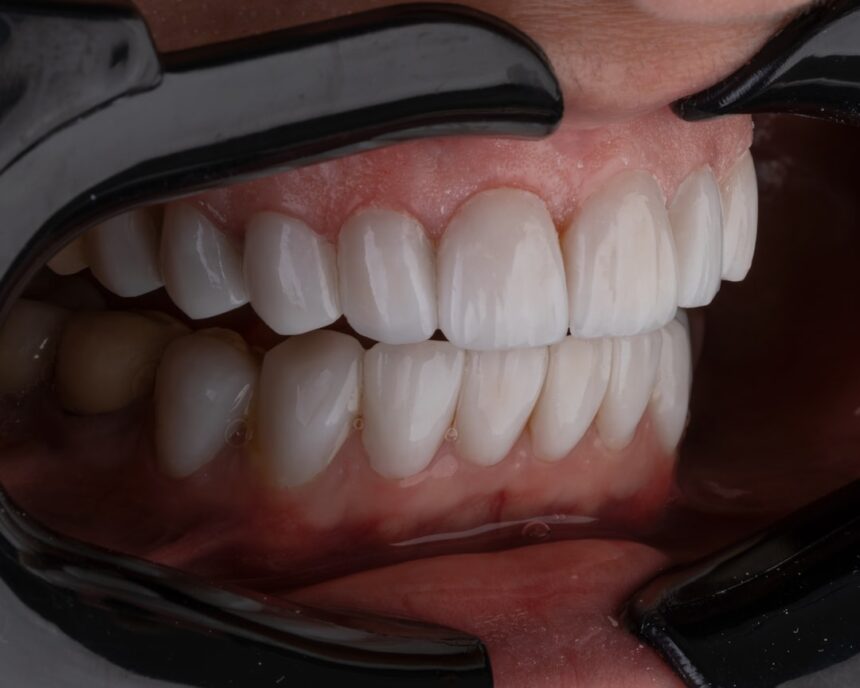
New analysis of dental development reveals that supernumerary teeth—extra teeth occurring beyond the standard set—appear in only 1–4% of the human population. Far from indicating dormant regenerative capacity, these rare variations represent isolated developmental anomalies with no connection to a latent third set of teeth.
The human genome encodes precisely two dental generations through tightly regulated genetic and molecular signals during embryonic development and childhood. Unlike species that evolved continuous tooth replacement as an adaptive advantage, humans—like most mammals—are locked into this two-dentition framework by fundamental developmental genetics. This constraint creates modern challenges, as our permanent teeth must function for 70+ years or longer. Recognizing that supernumerary cases are exceptions rather than evidence of hidden tooth-growing potential helps clarify expectations around dental replacement options.
Was this article helpful?