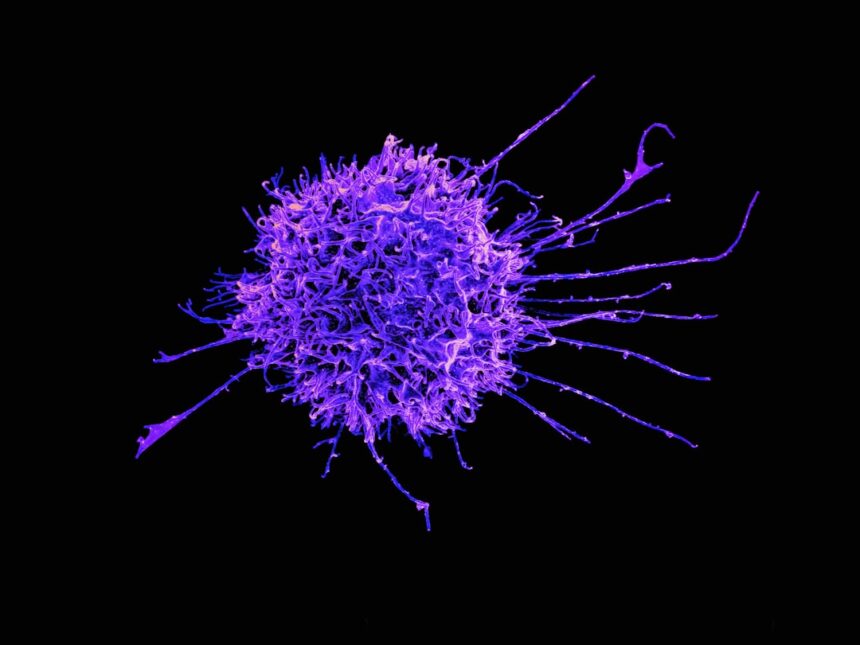
Your immune system operates not as a monolithic force, but as a highly organized network of specialized cells, each performing a critical role in maintaining health and combating infection. Dendritic cells function as sentinels, detecting pathogenic threats and foreign antigens before alerting the adaptive immune system. Helper T cells then process this information and coordinate the broader defensive response, determining the appropriate level of immune activation. Natural killer and cytotoxic T cells execute direct elimination of infected or abnormal cells, while memory cells establish long-term protection against future encounters with the same pathogens. This coordinated cellular cast—dendritic cells, T cells, B cells, NK cells, and support cells—demonstrates that effective immunity requires seamless communication and specialized function across multiple cell types. Understanding this intricate system provides insight into how the body maintains homeostasis and responds to infection with precision.
Was this article helpful?