🟠 Moderate Evidence
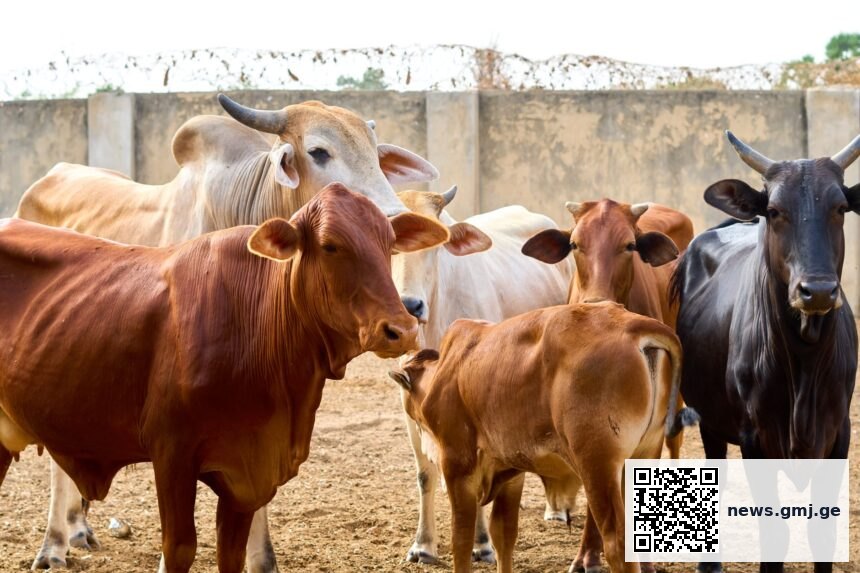
Cattle infected with bovine tuberculosis (bTB) in rural Zambia lose an average of 3.75 litres of milk per day, costing farmers approximately 10 Zambian kwacha (ZMW) per cow daily, according to a mixed-methods study published in PLOS Global Public Health. The disease also poses significant zoonotic risks, with older rural residents disproportionately exposed through livestock handling and consumption practices.
Key takeaways
- Infected cows produce 3.75 fewer litres of milk daily, costing farmers ZMW 10 per animal per day at current market prices
- Bovine TB symptoms are significantly linked to reduced monthly farming income in rural communities
- People aged 40 and above face higher zoonotic transmission risk due to livestock handling and traditional food preparation practices
- Only primary education showed a significant association with bTB awareness among surveyed populations
Study at a Glance
| Source | PLOS Global Public Health |
| Study type | Mixed-methods (cross-sectional survey + qualitative) |
| Sample size | 280 survey respondents; 5 focus groups; 5 key informant interviews |
| Population | Rural cattle farmers in Lundazi and Monze districts |
| Country | Zambia |
| Study period | December 2021 – June 2022 |
Economic burden of bovine TB on rural Zambian dairy farmers
Estimated daily and annual income loss per infected cow at current milk prices (ZMW 8 per litre)
Source: Phiri et al., PLOS Global Public Health, 2024 | Georgian Medical Journal News

Silent economic drain in rural Zambia
Livestock farming represents a critical economic pillar for rural Zambian communities, yet bovine tuberculosis continues to erode farmer incomes with little public attention. Researchers led by Anthony Phiri at the University of Zambia conducted a study across two districts—Lundazi and Monze—between December 2021 and June 2022, combining quantitative surveys with qualitative interviews to map the full scope of bTB’s impact.
The findings are stark: farmers report that cattle showing bTB symptoms experience average milk production declines of 3.75 litres daily. Given that milk commands an average price of ZMW 8 per litre in rural markets, this translates to a loss of approximately ZMW 10 per infected animal per day—a substantial burden for smallholder farmers operating on tight margins. The study analysed data from 280 survey respondents using R statistical software and incorporated qualitative insights from five focus group discussions and five key informant interviews analysed in NVivo.
Reported bTB-like symptoms were significantly associated with reduced monthly income from livestock farming, highlighting the tangible economic consequences farmers face. For rural communities where livestock represents a primary or sole livelihood asset, this loss can threaten food security and educational opportunities for family members. See more on Global Health coverage for context on zoonotic disease impact in low-income settings.
Zoonotic risk concentrated among older populations
Beyond economic losses, the study reveals a critical public health concern: older rural residents bear disproportionate burden of zoonotic tuberculosis transmission. Qualitative interviews identified that people aged 40 and above face elevated infection risk through traditional livestock handling practices and customary food preparation methods that increase direct contact with infected animal tissues and unpasteurised dairy.
This age-stratified vulnerability pattern reflects a broader challenge in tuberculosis control. The zoonotic transmission pathway—from infected cattle to humans—remains inadequately addressed in many rural health systems, where diagnostic capacity for distinguishing bovine TB from pulmonary TB is limited. Older community members, often decision-makers in household food practices, may lack awareness of transmission routes or have limited access to modern food safety information.
Education emerged as a modifiable factor in the analysis. Among education levels surveyed, only primary education demonstrated a significant association with bTB awareness, suggesting that targeted health literacy interventions—pitched at basic education levels—may improve protective behaviours. However, the researchers note that awareness alone is insufficient without concurrent improvements in cattle disease surveillance, milk pasteurisation infrastructure, and veterinary services in rural areas.
Policy gaps in livestock disease control
Zambia’s livestock sector contributes substantially to the national economy and rural employment, yet bovine TB control remains fragmented across veterinary and human health systems that often operate independently. The study highlights critical gaps: farmer knowledge of bTB transmission is limited, diagnostic capacity for infected cattle is inconsistent, and integration between animal and human health authorities is weak.
The researchers recommend strengthening bTB surveillance in cattle populations, implementing targeted awareness campaigns for high-risk older populations, and establishing milk pasteurisation standards for rural dairy supply chains. They also call for training rural health workers to recognise bTB-associated symptoms in both animals and humans, creating bridges between veterinary and clinical services. These interventions align with the WHO’s One Health approach to tuberculosis control, which recognises that effective disease management requires coordination across animal, environmental, and human health sectors.
Implementation will require coordinated investment in veterinary infrastructure, rural laboratory capacity, and intersectoral governance mechanisms—challenges that extend beyond health ministries alone. The findings underscore why bovine TB, often overshadowed by human pulmonary TB programmes, demands urgent policy attention in livestock-dependent economies. See Health Policy updates for related regulatory developments.
Infected cows lose 3.75 litres of milk daily, costing farmers ZMW 10 per animal per day, while older rural residents face disproportionate zoonotic transmission risk through livestock handling and traditional food practices.
— Anthony Phiri and colleagues, University of Zambia (PLOS Global Public Health, 2024)
What this means
Frequently asked questions
What is bovine tuberculosis and how does it spread to humans?
Bovine tuberculosis (bTB) is a mycobacterial infection caused by Mycobacterium bovis, a pathogen that primarily infects cattle but can transmit to humans through direct contact with infected animals, consumption of unpasteurised milk, or inhalation of infected aerosols during animal handling. The Zambian study found that older rural residents with frequent livestock contact face elevated zoonotic risk.
Why does milk production decline in infected cattle?
Bovine TB causes chronic inflammation and tissue damage in the udder and systemic infection, impairing lactation physiology and reducing milk yield. The Zambian study documented an average loss of 3.75 litres per day per infected cow—a substantial economic impact for smallholder farmers relying on milk sales for household income.
Can milk pasteurisation prevent human tuberculosis from infected cattle?
Yes. Heat treatment at standard pasteurisation temperatures (63°C for 30 minutes or 72°C for 15 seconds) reliably kills Mycobacterium bovis in milk. The study identifies lack of rural pasteurisation infrastructure as a key vulnerability, recommending investment in small-scale milk treatment facilities and consumer education in farming communities.
This study provides the first detailed economic and epidemiological assessment of bovine TB’s impact on Zambian rural communities, filling a critical evidence gap. As livestock-dependent rural economies face mounting pressure from climate variability and disease burden, integrated control strategies—combining animal health surveillance, milk safety standards, and targeted health education—will be essential to protecting both cattle productivity and human health in vulnerable farming populations.
Source: Economic and health impacts of bovine and zoonotic tuberculosis on rural Zambian communities, PLOS Global Public Health
Was this article helpful?
Disclaimer. This article is health journalism intended for general information and education. It is not medical advice and is not a substitute for professional diagnosis or treatment. Always consult a qualified healthcare provider about your individual circumstances. Full disclaimer →
Related Coverage




Editorial standards. This article was produced under the GMJ News editorial process, with oversight by the GMJ Editorial Board. Our editorial process. Spotted an error? Contact the editorial team.