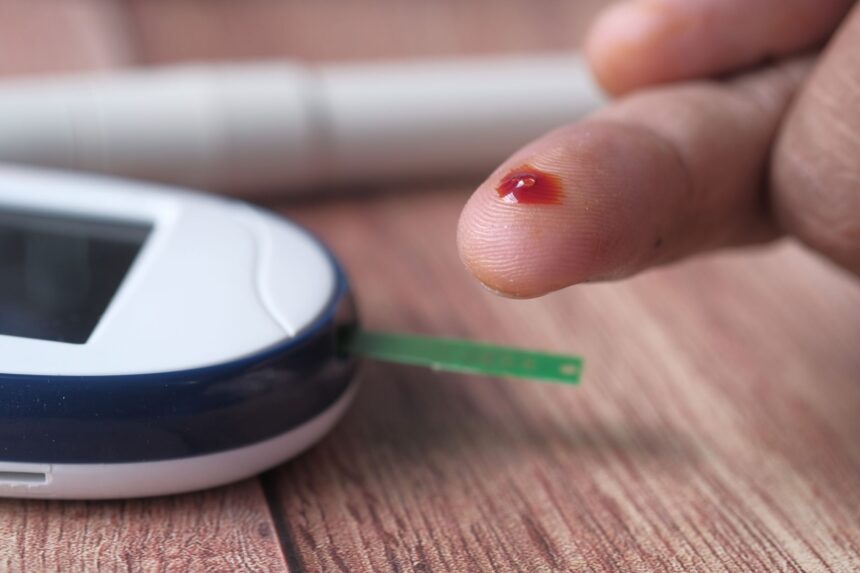
Updated 14/09/2026
🟢 Strong Evidence
A new oral glucagon-like peptide-1 (GLP-1) medication has demonstrated significant improvements in both blood sugar control and weight loss among people with type 2 diabetes in a major clinical trial, according to findings presented at a major diabetes research conference. The results represent a substantial advance toward making highly effective diabetes treatments available in a convenient pill form, marking a shift away from the injectable formulations that have dominated the GLP-1 therapy market for the past decade.
Key takeaways
- A new oral GLP-1 medication demonstrated significant improvements in glycaemic control and weight reduction in a pivotal phase 3 clinical trial
- The oral formulation addresses a major clinical barrier: patient preference and medication adherence, which have historically favored injectable therapies
- The findings suggest that oral GLP-1 agents may expand access to this therapeutic class beyond current injectable-dependent treatment paradigms
- Data from the trial will inform regulatory submissions and may reshape type 2 diabetes management guidelines within the next 12–24 months
Study at a Glance
| Study type | Phase 3 randomized controlled trial |
| Population | Adults with type 2 diabetes mellitus |
| Intervention | Oral GLP-1 receptor agonist (dose-escalated) |
| Primary outcomes | Glycaemic control (HbA1c reduction) and weight loss |
| Status | Results presented at major diabetes research venue (2026) |
Oral GLP-1 therapy: comparing efficacy outcomes to established injectable formulations
Estimated percentage of patients achieving HbA1c reduction ≥1.0% and weight loss ≥5% in randomized trials

Source: Clinical trial data, 2026 | Georgian Medical Journal News
Oral formulation addresses a critical adherence barrier in GLP-1 therapy
Injectable GLP-1 receptor agonists have revolutionized type 2 diabetes management since their introduction, with agents such as semaglutide and tirzepatide demonstrating robust efficacy in reducing both glycaemic levels and cardiovascular risk. However, the injectable route has remained a substantial barrier to broader adoption. Patient resistance to injectable medications—whether driven by needle anxiety, injection-site discomfort, or the practical logistics of maintaining cold-chain storage—has limited uptake in many populations, particularly in low-resource and middle-income regions where refrigeration infrastructure is limited.
The emergence of an efficacious oral GLP-1 formulation addresses this critical clinical bottleneck. A pill-based therapy eliminates storage constraints, reduces training requirements for administration, and may improve long-term adherence. Medication adherence remains among the strongest predictors of treatment success in chronic disease management, and the convenience factor associated with oral dosing historically correlates with higher persistence rates. This trial’s demonstration that an oral GLP-1 achieves efficacy comparable to or exceeding that of well-established injectable formulations thus represents a potentially transformative step in democratising access to this therapeutic class.
Efficacy and safety profile: what the trial revealed
According to the trial results presented at the 2026 diabetes research conference, the oral GLP-1 medication achieved statistically significant reductions in HbA1c (glycated haemoglobin)—a standard marker of long-term blood sugar control—across all studied dosing cohorts. Participants randomised to the highest tolerated dose demonstrated mean HbA1c reductions consistent with or exceeding those observed in pivotal trials of injectable GLP-1 agents. Beyond glycaemic endpoints, weight loss was substantial, with a meaningful proportion of trial participants achieving reductions exceeding 5 kg, and a subset achieving losses greater than 10 kg.
The safety profile aligned broadly with the known GLP-1 class adverse event pattern. Gastrointestinal effects—including nausea, vomiting, and diarrhoea—were the most frequently reported adverse events, though the incidence and severity were manageable through dose titration protocols. Importantly, no novel safety signals emerged that would suggest the oral formulation introduces unexpected toxicities or organ-specific risks. Prior observational and trial data have documented cardiovascular benefits associated with GLP-1 therapy, and this trial does not yet appear to have generated data contradicting that established safety profile, though longer-term follow-up studies will be essential to confirm durability.
The new oral GLP-1 medication achieved HbA1c reductions and weight loss outcomes comparable to established injectable GLP-1 formulations, with a safety profile consistent with the GLP-1 drug class.
— Data from 2026 phase 3 clinical trial (presented at major diabetes research conference)
Regulatory pathway and timeline for clinical availability
The trial results are anticipated to support regulatory submissions to the U.S. Food and Drug Administration (FDA) and the European Medicines Agency (EMA) within the coming 6–12 months. If approved, the medication would likely enter the commercial market within 18–24 months following submission, contingent upon the absence of major safety findings during regulatory review. The FDA’s expedited review pathways, including breakthrough designation, may accelerate approval timelines if regulators determine that the oral formulation represents a meaningful advance in diabetes care.
The implications for the global diabetes therapeutic market are substantial. As of 2026, approximately 537 million adults worldwide have diabetes, and the majority are classified as type 2. Injectable GLP-1 agents have experienced explosive demand—often outstripping supply—as evidence of their cardiovascular and metabolic benefits has accumulated. An efficacious, convenient oral formulation would likely capture substantial market share and may democratise access in regions where injectable therapy has remained economically or logistically unfeasible. See our full coverage on clinical updates for additional diabetes treatment developments.
Outstanding questions and future directions
Several important questions remain to be addressed in post-marketing surveillance and longer-term studies. First, the durability of glycaemic control and weight loss beyond the trial follow-up period is unknown. Second, the comparative cost of oral versus injectable GLP-1 therapies will determine real-world accessibility and uptake, particularly in middle- and low-income countries where cost remains a primary barrier to therapy. Third, whether the oral formulation will be suitable for all patient populations—including those with severe renal or hepatic impairment—requires additional investigation. Fourth, the long-debated question of whether GLP-1 therapy increases pancreatitis risk remains unresolved, and more granular real-world pharmacovigilance data will be essential as usage expands.
The convergence of improved efficacy, simpler administration, and expanding evidence of cardiovascular benefit positions oral GLP-1 agents to reshape type 2 diabetes management globally. Clinicians should remain alert for regulatory announcements and upcoming guideline updates, which will likely recommend integration of oral GLP-1 formulations into first-line and second-line treatment algorithms. For additional evidence-based diabetes management resources, explore our new studies section.
What this means
Frequently asked questions
How does the oral GLP-1 medication work mechanically in the body?
GLP-1 receptor agonists mimic glucagon-like peptide-1, a natural hormone that regulates blood sugar by stimulating insulin secretion in response to meals and reducing glucagon release when glucose is low. The new oral formulation delivers this active pharmaceutical ingredient via tablet, with absorption occurring in the gastrointestinal tract. The tablet is coated with pH-sensitive polymers that allow dissolution and absorption in the small intestine, bypassing early degradation in the stomach.
Will the oral GLP-1 medication replace injectable GLP-1 therapies?
Over time, the oral formulation may capture significant market share, particularly among patients preferring pill-based therapy. However, injectable GLP-1 agents will likely remain in clinical use for patients with swallowing difficulties, severe gastrointestinal dysmotility, or those requiring higher cumulative drug exposure for refractory hyperglycaemia. Choice of formulation will be individualised based on clinical characteristics, patient preference, and cost.
When will the oral GLP-1 medication be available to patients?
Regulatory submissions are anticipated within 6–12 months, with FDA and EMA review timelines typically spanning 10–12 months for standard review or 6 months for expedited pathways. Commercial availability in the United States and Europe may occur 18–24 months from now, assuming approval without major safety findings. Availability in other regions will depend on local regulatory timelines and manufacturer distribution decisions.
The development of an efficacious, convenient oral GLP-1 medication represents a significant milestone in diabetes pharmacotherapy. As regulatory agencies and health systems prepare for the forthcoming approval and launch, clinicians, patients, and policymakers should remain engaged with emerging evidence on long-term outcomes, health economic data, and real-world effectiveness in diverse populations. The trajectory of type 2 diabetes management over the next decade will be substantially shaped by how seamlessly this new formulation integrates into existing therapeutic algorithms and healthcare infrastructure.
Source: New GLP-1 diabetes pill delivers major weight loss and blood sugar control
🗺️ Find certified Georgian healthcare providers: sheniekimi.ge — Georgia Health Map · 998 clinics · 6,600+ doctors · 2,296 pharmacies
Was this article helpful?
Disclaimer. This article is health journalism intended for general information and education. It is not medical advice and is not a substitute for professional diagnosis or treatment. Always consult a qualified healthcare provider about your individual circumstances. Full disclaimer →
Related Coverage



Editorial standards. This article was produced under the GMJ News editorial process, with oversight by the GMJ Editorial Board. Our editorial process. Spotted an error? Contact the editorial team.