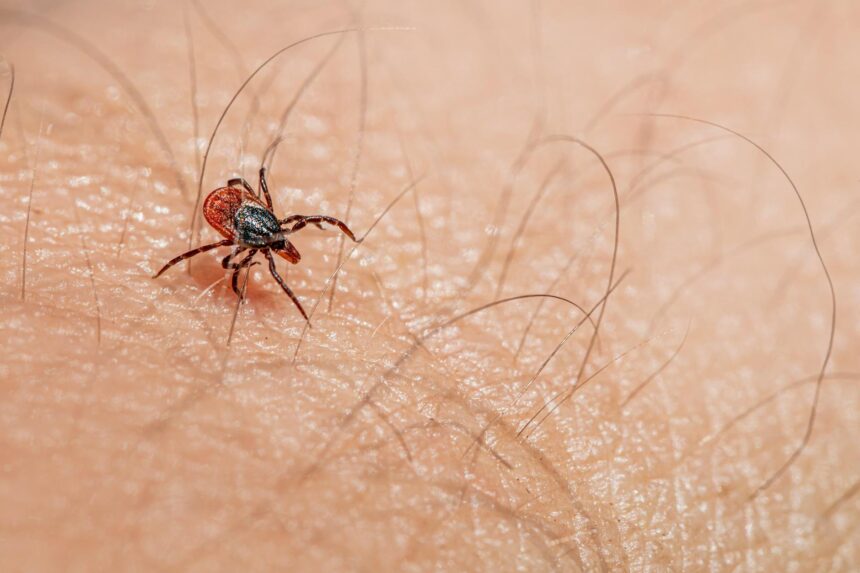
Emerging research is challenging our understanding of the gut-brain connection, suggesting that parasitic infections may influence human behavior through complex biochemical mechanisms. Scientists have long observed dramatic behavioral changes in animals infected with certain parasites, but new evidence indicates similar processes could occur in humans.
The proposed pathways involve parasites’ ability to produce or modify neurotransmitters like dopamine and serotonin, potentially affecting mood and decision-making directly. While direct evidence in humans remains limited, observational studies have identified intriguing correlations between parasitic infections and behavioral changes. The Centers for Disease Control and Prevention acknowledges that some parasitic infections can affect neurological function, though researchers continue investigating the precise mechanisms underlying these interactions.
This growing body of evidence opens new avenues for understanding parasite-host dynamics and may eventually inform novel therapeutic approaches.
Read the full article on GMJ Newsroom.

Was this article helpful?
GMJ Brief · Announcement
📰 Read the full article: Gut Parasites May Manipulate Human Behavior, New Research Suggests →