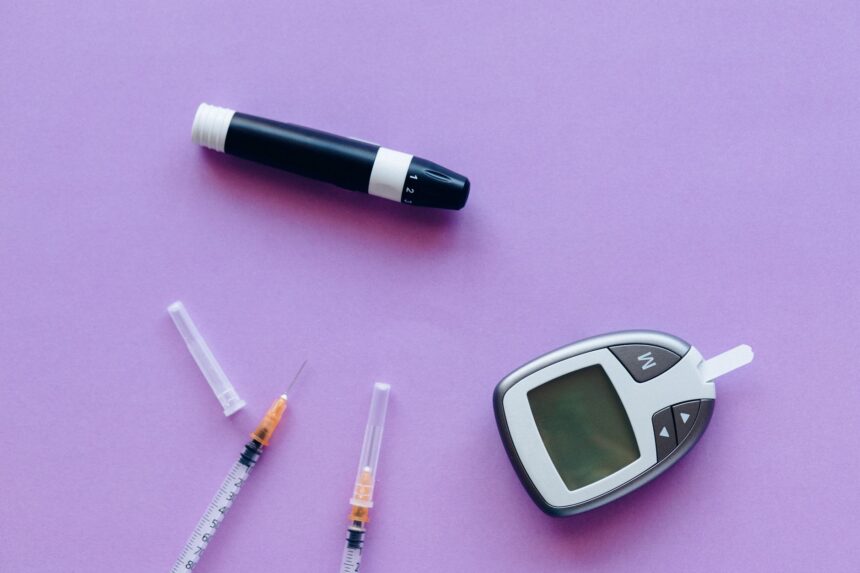
Insulin’s ability to regulate blood glucose depends on more than just the hormone reaching its target cells. New evidence reveals that magnesium acts as a critical molecular cofactor in the insulin signaling cascade, enabling the receptor to transmit its glucose-lowering signal. When magnesium is depleted, insulin receptor activation drops by 50 percent—even when the structural machinery remains intact. Meta-analyses spanning over 1.5 million participants demonstrate that each additional 100 mg of dietary magnesium reduces type 2 diabetes risk by 14 to 19 percent. Despite this protective effect, approximately half of United States adults fail to meet the recommended daily intake of 310 to 420 mg. This gap represents a significant public health opportunity: optimizing magnesium status may offer a practical, evidence-based strategy for enhancing insulin sensitivity and reducing diabetes risk across populations.
Was this article helpful?