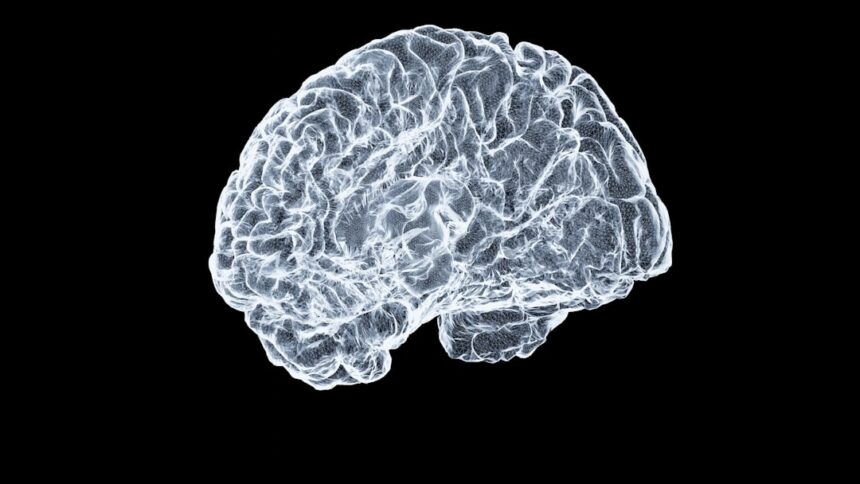
The brain’s intricate chemical messenger system relies on a precise supply of micronutrients to function optimally. B vitamins, iron, zinc, and magnesium serve as essential cofactors in the enzymatic pathways that synthesize critical neurotransmitters including serotonin, dopamine, gamma-aminobutyric acid (GABA), and acetylcholine. These neurochemicals regulate mood, memory, attention, and motor control.
Research in nutritional neuroscience demonstrates that deficiencies in these key micronutrients correlate with impaired cognitive performance, mood disorders, and increased risk of neurodegenerative disease. The relationship between nutritional status and brain function is increasingly recognized as a fundamental biological principle in neuroscience and psychiatry.
Dietary optimization and targeted supplementation may support optimal brain chemistry, though individual micronutrient requirements vary based on genetics, age, and existing health conditions. Understanding these nutritional foundations provides a framework for supporting cognitive and mental health through evidence-based nutrition strategies.
Was this article helpful?