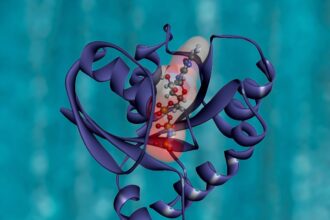
A new PNAS study clarifies the cellular basis for why exercise remains the gold standard for maintaining muscle health in older adults. First, DEAF1—a transcription factor that accumulates with age—becomes pathologically overactive, disrupting the cellular machinery that both builds muscle and removes damaged components. Second, physical activity directly suppresses DEAF1, restoring the critical balance between protein synthesis and autophagy that characterizes young muscle. Third, animal models have confirmed this mechanism: lowering DEAF1 strengthens muscles while elevated DEAF1 causes weakness.
For older adults, this research validates what clinical evidence has long suggested: regular exercise is the most effective strategy for preventing sarcopenia. Understanding the cellular mechanism—DEAF1 suppression and mTORC1 rebalancing—may also guide future therapies targeting those unable to exercise.
Was this article helpful?