By using this site, you agree to the Privacy Policy and Terms of Use.
Accept
GMJ NewsGMJ NewsGMJ News
  • Latest News
    • GMJ Briefs
  • Podcast & Media
    • Podcast Episodes
    • GMJ Audio
    • GMJ Videos
  • Research Digest
    • New Studies
    • Georgian Research
    • Data & Numbers
  • Policy & Systems
    • Health Policy
    • Quality & Safety
    • Migration & Health
    • Global Health
  • Practice
    • Clinical Updates
    • Case Discussions
    • Pharmacy & Prescribing
    • Ingredients A-Z
  • Perspectives
    • Editorial
    • Explainers
    • Voices
    • Letters
  • GMJ Articles
    • Vol. 1 Issue 2 (2026)
    • Vol. 1 Issue 1 (2026)
    • Pre-Launch Articles (2025)
  • Read the Journal →
  • About GMJ News
Notification Show More
Font ResizerAa
GMJ NewsGMJ News
Font ResizerAa
  • Latest News
    • GMJ Briefs
  • Podcast & Media
    • Podcast Episodes
    • GMJ Audio
    • GMJ Videos
  • Research Digest
    • New Studies
    • Georgian Research
    • Data & Numbers
  • Policy & Systems
    • Health Policy
    • Quality & Safety
    • Migration & Health
    • Global Health
  • Practice
    • Clinical Updates
    • Case Discussions
    • Pharmacy & Prescribing
    • Ingredients A-Z
  • Perspectives
    • Editorial
    • Explainers
    • Voices
    • Letters
  • GMJ Articles
    • Vol. 1 Issue 2 (2026)
    • Vol. 1 Issue 1 (2026)
    • Pre-Launch Articles (2025)
  • Read the Journal →
  • About GMJ News
Follow US
GMJ News > GMJ Briefs > Thyroid Function Is a Three-Part System, Not a Single-Nutrient Fix

Thyroid Function Is a Three-Part System, Not a Single-Nutrient Fix

GMJ
Last updated: 29/07/2026 13:30
By
Prof. Giorgi Pkhakadze
Share
1 Min Read
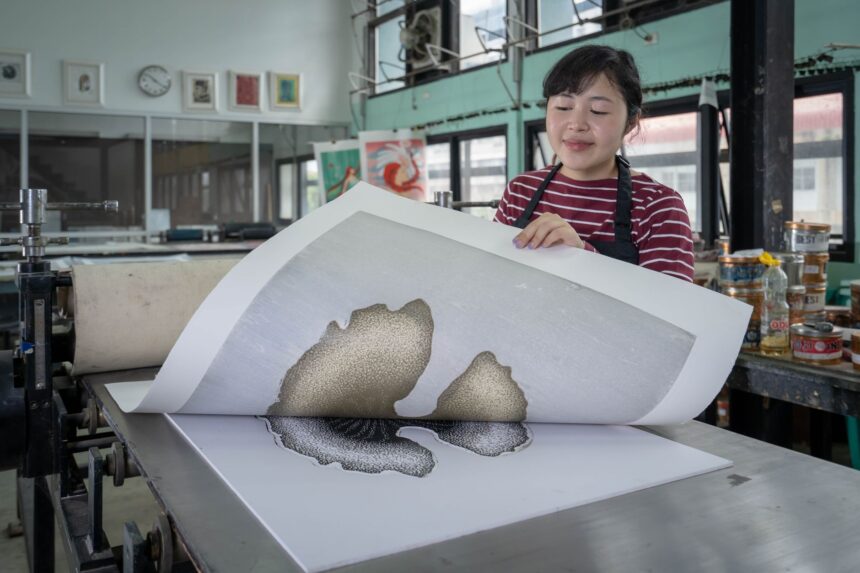
Infographic showing iodine, selenium, and tyrosine roles in thyroid hormone synthesis and regulation
Thyroid hormone production requires iodine, selenium, and tyrosine working together as an integrated system. Each nutrient plays a distinct biochemical role: iodine forms the hormone structure, selenium enables enzyme conversion and antioxidant protection, and tyrosine provides the amino-acid scaffold. Imbalanced supplementation—particularly excess iodine without adequate selenium—can strain thyroid function rather than improve it. — Photo by Thoranin Duangsin on Pexels (Pexels License)
SHARE
1 min read|129 words

Thyroid health depends on an interconnected biochemical system rather than isolated nutrient supplementation. Research demonstrates that iodine, selenium, and tyrosine work synergistically to enable proper hormone synthesis and regulation. Iodine serves as the structural component of thyroid hormones T4 and T3, selenium facilitates their conversion and protects gland tissue from oxidative damage, and tyrosine provides the amino-acid framework where iodine binds during synthesis. A critical finding from clinical research shows that excess iodine without adequate selenium can actually strain thyroid function, underscoring the importance of balanced intake over megadosing strategies. Adults require 150 micrograms of iodine, 55 micrograms of selenium, and 500–1,000 milligrams of tyrosine daily from food sources. Understanding thyroid health as a coordinated system rather than a single-nutrient equation informs more effective nutritional approaches to gland function and hormone production.

Was this article helpful?
GMJ Brief · Announcement

📰 Read the full article: Thyroid Health Depends on Three Nutrients Working Together, Not One Alone →

Related reference
  • Selenium · Ingredient
  • Iodine · Ingredient
Share This Article
Facebook LinkedIn Bluesky Copy Link Print
GMJ
ByProf. Giorgi Pkhakadze
Follow:
Prof. Giorgi Pkhakadze, MD, MPH, PhD, is Editor-in-Chief of the Georgian Medical Journal and Chair of the Public Health Institute of Georgia (PHIG). He is Professor and Head of the Department of Social and Behavioural Sciences at David Tvildiani Medical University, and Secretary/Treasurer of the UEMS Section of Public Health. ORCID: 0000-0001-7609-4515.

Submit Your Paper →

Georgia's peer-reviewed open-access medical journal. No APC until January 2027.
Submit Manuscript →
Brain and Immune System Aging Emerge as True Lifespan Predictors in Major UK Biobank Study

Only two of 11 organ-aging clocks independently predicted lifespan in 44,498 UK…

Heart’s First Beat Emerges From Collective Synchronisation, Not a Single ‘Starter Switch’

Scientists have identified that the heart's first beat emerges from collective electrical…

How a single dose of creatine protects cognitive function during sleep deprivation

A single high-dose oral creatine supplement preserved cognitive performance by up to…

Submit Your Paper to GMJ

No APC until January 2027.
Submit Manuscript →

You Might Also Like

Medical infusion setup representing obinutuzumab treatment for membranous nephropathy

Data Highlight: Obinutuzumab Achieves Two-Fold Superior Remission Rates in Membranous Nephropathy Trial

By
Prof. Giorgi Pkhakadze
23/07/2026
FDA safety alert warning about lead contamination in children's fruit puree pouches

FDA Issues Urgent Safety Alert on Lead-Contaminated WanaBana Fruit Puree Pouches

By
Prof. Giorgi Pkhakadze
15/07/2026
Scientific research laboratory with charts showing reproducibility statistics and reform initiatives

70% Replication Failure Rate Reveals Scope of Scientific Reproducibility Crisis

By
Prof. Giorgi Pkhakadze
22/07/2026
Healthcare cost reduction chart showing potential savings from medically tailored meal interventions

Takeaway: Medically Tailored Meals Show Promise in Reducing Healthcare Costs, Nature Medicine Reports

By
Prof. Giorgi Pkhakadze
06/07/2026
Facebook Twitter Youtube Instagram
Company
  • Privacy Policy
  • Contact US
  • GMJ Journal
  • Submit Manuscript
  • Editorial Team
  • Register at GMJ
  • Terms of Use

Subscribe to GMJ News — Click here

Join Community
© 2026 Georgian Medical Journal (GMJ). Published by the Public Health Institute of Georgia (PHIG). All rights reserved.
Welcome Back!

Sign in to your account

Username or Email Address
Password

Lost your password?

Not a member? Sign Up