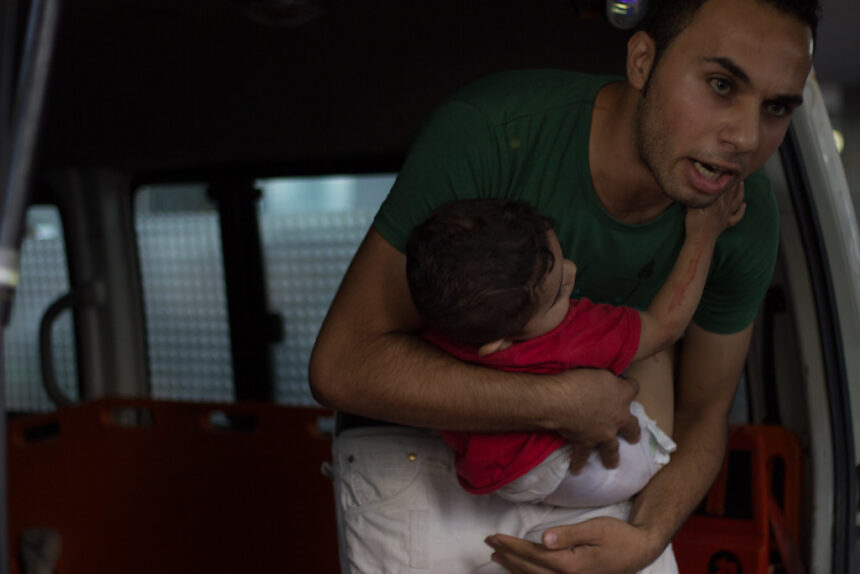
The educational crisis affecting 625,000 children in Gaza carries significant health implications that extend far beyond the classroom. Key facts reveal the scope: 625,000 children have lost school access for over one year; most educational facilities are damaged, destroyed, or repurposed as shelters; and recovery typically requires 3-5 years minimum even under stable conditions.
For health professionals and policymakers, this educational breakdown directly correlates with documented developmental delays, cognitive impairment, and psychological trauma in child populations. The WHO recognizes educational continuity as a critical component of psychological resilience during humanitarian crises. Current conditions in Gaza—with displaced teaching staff, disrupted materials distribution, and families unable to maintain stable residence—preclude any formal or informal education continuation. Understanding these connections between educational disruption and child health outcomes is essential for comprehensive humanitarian response planning and long-term recovery strategies.
Was this article helpful?