Updated 13/09/2026
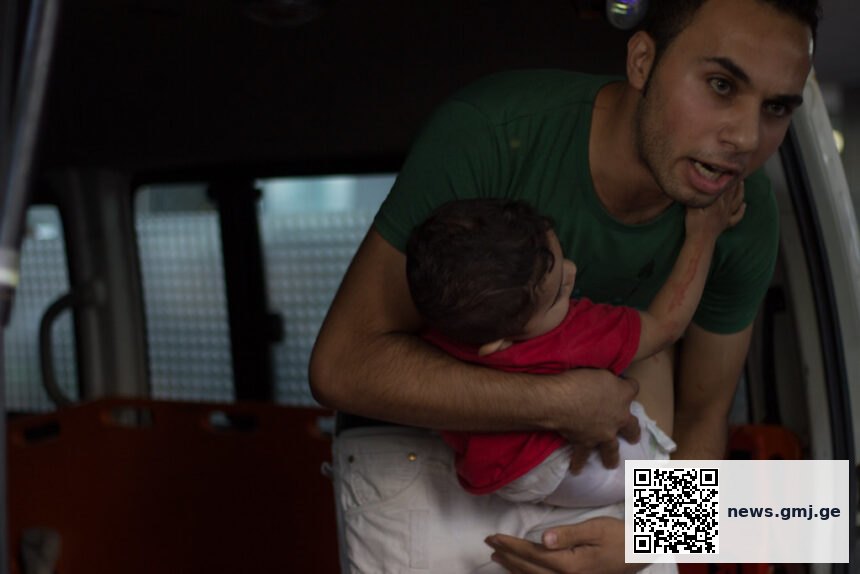
Over 625,000 children in Gaza have been denied access to education for more than a year, representing the collapse of an entire educational system amid ongoing conflict. According to UNICEF’s latest assessment, the systematic destruction of schools and educational infrastructure has created what the agency calls a “demolition of childhood” across the territory.
Educational Infrastructure Destruction in Gaza
Schools damaged or destroyed, 2023-2024
Source: UNICEF, 2024 | Georgian Medical Journal News

Systematic Destruction of Educational Infrastructure
The scale of destruction has rendered Gaza’s education system non-functional, with most schools either damaged beyond use or repurposed as emergency shelters. UNICEF reports that educational facilities across the territory have been systematically targeted or caught in crossfire, leaving children without safe spaces for learning.
The agency’s documentation reveals that beyond physical infrastructure, the conflict has displaced teaching staff and disrupted educational materials distribution. Many families have been forced to relocate multiple times, making any continuation of formal or informal education impossible.
Health and Psychological Impact on Students
Children who have been out of school for extended periods face documented risks of developmental delays and psychological trauma. Research published in international health journals demonstrates that prolonged educational disruption during formative years can have lasting impacts on cognitive development and mental health.
The World Health Organization has previously identified educational continuity as a critical component of child psychological resilience during humanitarian crises. The complete breakdown of schooling systems compounds existing trauma from conflict exposure.
Regional Educational Crisis Implications
The Gaza situation represents one of the largest educational emergencies globally, according to international monitoring systems. UNESCO estimates suggest that educational disruptions of this scale require years of systematic reconstruction to restore basic learning environments.
Comparative analysis with other conflict zones indicates that rebuilding educational infrastructure typically takes 3-5 years minimum, even with sustained international support and stable security conditions.
Over 625,000 children in Gaza have been denied access to education for more than a year, with most educational facilities damaged or destroyed
— UNICEF Assessment Report (2024)
Key takeaways
- 625,000 children have lost access to education for over one year in Gaza
- Most schools are damaged, destroyed, or repurposed as emergency shelters
- Educational disruption compounds psychological trauma and developmental risks
- Rebuilding functional education systems typically requires 3-5 years minimum
Frequently asked questions
What are the long-term health impacts of educational disruption on children?
Research shows that prolonged absence from school during childhood can lead to developmental delays, increased psychological trauma, and reduced cognitive development. The WHO identifies educational continuity as crucial for child psychological resilience during crises.
How long does it typically take to rebuild education systems after conflict?
International experience suggests that rebuilding functional educational infrastructure requires 3-5 years minimum, even with sustained support and stable security conditions. This includes physical reconstruction, teacher training, and curriculum restoration.
What immediate health risks do out-of-school children face?
Children without access to school lose not only education but also school-based health services, nutrition programs, and psychosocial support. This increases risks of malnutrition, untreated health conditions, and psychological distress.
The educational crisis in Gaza highlights the interconnected nature of conflict, public health, and child development. As international agencies work to document the full scope of educational destruction, the focus must shift toward understanding how such large-scale disruptions can be prevented and more rapidly addressed in future humanitarian emergencies.
Source: A demolition of homes, of schools, and of childhood
🗺️ Find certified Georgian healthcare providers: sheniekimi.ge — Georgia Health Map · 998 clinics · 6,600+ doctors · 2,296 pharmacies
Was this article helpful?
Disclaimer. This article is health journalism intended for general information and education. It is not medical advice and is not a substitute for professional diagnosis or treatment. Always consult a qualified healthcare provider about your individual circumstances. Full disclaimer →
Related Coverage



Editorial standards. This article was produced under the GMJ News editorial process, with oversight by the GMJ Editorial Board. Our editorial process. Spotted an error? Contact the editorial team.