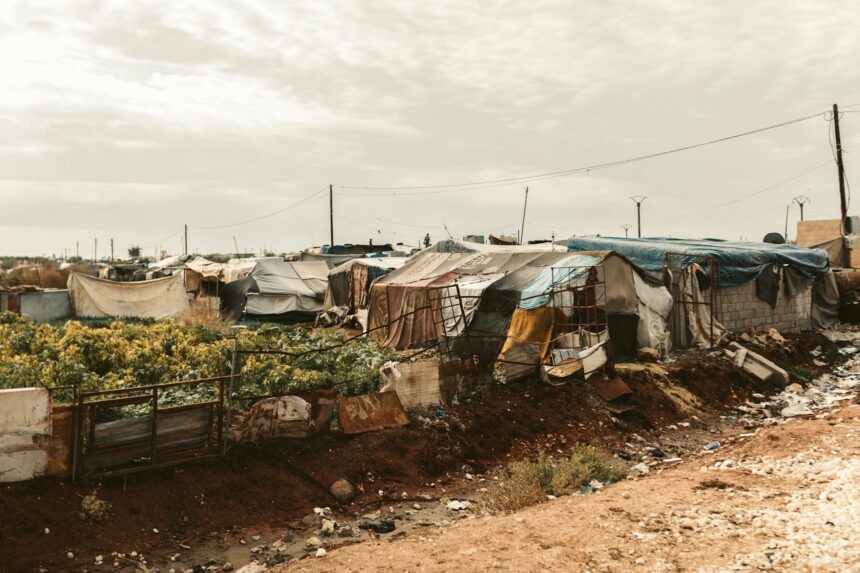
For healthcare professionals and policymakers, the Sudanese refugee maternal health crisis in the Central African Republic presents three interconnected challenges demanding immediate action. First, 36,414 Sudanese refugees have fled civil war into a healthcare system already overwhelmed by existing demands. Second, CAR’s maternal mortality ratio of 829 per 100,000 births—138 times higher than EU standards—reflects catastrophic gaps in obstetric care capacity.
Third, international aid cuts are actively worsening conditions when resources should expand. Pregnant refugee women encounter delayed access to prenatal services, insufficient skilled birth attendants, and limited emergency obstetric capabilities. Healthcare infrastructure degradation directly translates to preventable maternal deaths.
Key implications for stakeholders: humanitarian organizations must prioritize reproductive health services in refugee settings; donor nations should reverse aid reductions; and the international medical community should advocate for equitable resource allocation. These actionable steps represent essential components of any comprehensive response to this maternal health emergency.
Read the full article on GMJ Newsroom.

Was this article helpful?