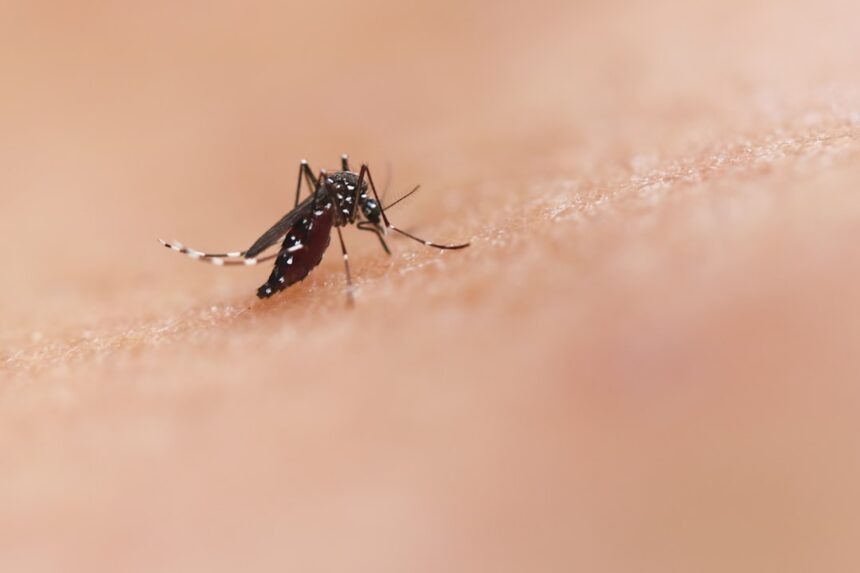
Climate change is fundamentally altering the timing of mosquito activity in temperate regions, with significant implications for public health infrastructure. Rising spring temperatures are advancing mosquito emergence by approximately 1–2 weeks, creating extended transmission windows for West Nile virus, dengue, and Zika virus in areas historically considered lower-risk during winter months.
This seasonal shift poses a critical challenge to disease surveillance and vector control programs designed around traditional seasonal patterns. Public health authorities must now implement year-round monitoring protocols and adapt intervention strategies to match climate-altered lifecycles. The accelerated development of mosquito populations—driven by temperature-dependent larval maturation—underscores the urgent need for integrated surveillance systems that can detect emerging threats earlier in the transmission season.
Read the full article on GMJ Newsroom.
Was this article helpful?