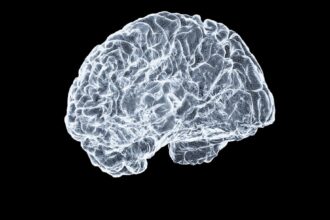
Recent expert consensus on shingles vaccination and dementia prevention raises important questions about what the current evidence means for clinical practice. Multiple observational cohorts have identified a robust association between live-attenuated shingles vaccination and lower dementia risk—an unusually strong epidemiological signal that has captured attention from both the NIH and international neuroscience leaders. However, this observational evidence alone cannot confirm that vaccination prevents dementia; confounding factors and study design limitations may explain the association.
Randomized controlled trials are essential to answer this fundamental question with scientific certainty. Until trial results are available, the relationship remains a promising but unproven hypothesis. Clinicians should counsel patients that current shingles vaccination recommendations remain based on herpes zoster prevention, not dementia prevention. The ongoing push for RCTs reflects genuine scientific opportunity—if successful, an existing, safe vaccine could become a major dementia prevention strategy.
Read the full article on GMJ Newsroom.
Was this article helpful?