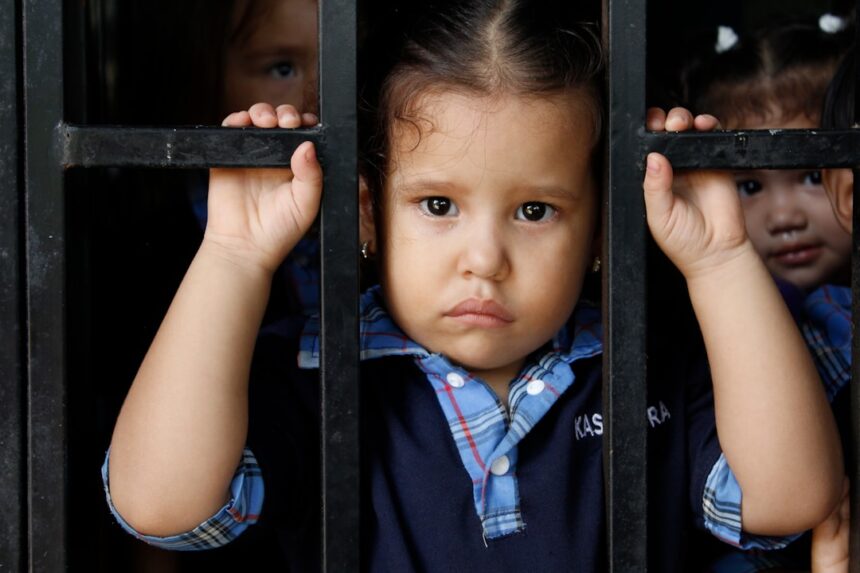
As immigration enforcement continues, pediatricians and mental health providers face a critical care gap: the absence of standardized protocols for screening and managing separation-related trauma in children. Evidence shows that acute stress responses—including sleep disruption, somatic complaints, and behavioral regression—emerge rapidly following parental detention, creating an urgent window for clinical intervention.
Three key implications guide clinical practice: First, clinicians should anticipate acute stress manifestations within weeks of parental separation and integrate trauma-informed screening into routine pediatric encounters. Second, untreated separation trauma carries documented long-term sequelae, including increased cardiovascular and mental health disease risk—underscoring prevention importance. Third, systemic integration of evidence-based screening and intervention protocols into pediatric clinics remains underdeveloped, representing both a clinical gap and an opportunity for health systems to improve population health outcomes.
Clinicians encountering children with detention-affected parents should prioritize trauma assessment, psychoeducation, and care coordination to mitigate long-term harm.
Read the full article on GMJ Newsroom.

Was this article helpful?