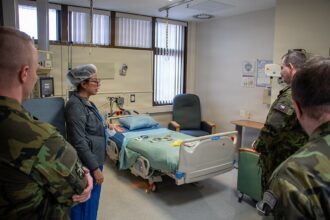
The UN’s rapid response to the new Ebola outbreak in eastern Democratic Republic of the Congo demonstrates significant progress in outbreak containment capabilities. Key improvements include 72-hour emergency deployment timelines, 24-hour case identification using digital tracking systems, and enhanced community health worker engagement—practical measures that directly reduce transmission risk.
Local health facilities have received specialized training on infection prevention and safe burial practices, addressing cultural and behavioral factors that previously complicated responses. Community health workers are conducting targeted education campaigns in affected villages, improving local acceptance of preventive measures. These findings underscore that effective outbreak control depends on more than logistics and technology; building community trust and addressing local practices substantially improves response outcomes. The coordinated approach—combining rapid deployment, digital surveillance, healthcare worker training, and community engagement—reflects evolved global health coordination protocols based on lessons from previous regional outbreaks.
Was this article helpful?