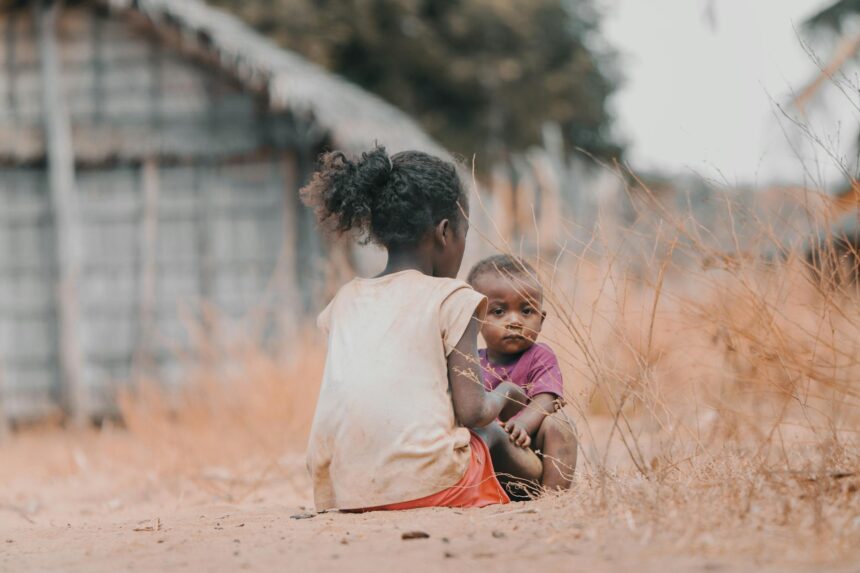
A comprehensive analysis of childhood malaria protection across sub-Saharan Africa identifies three critical findings with direct implications for public health practice. First, rural children face dramatically elevated malaria risk compared to urban populations, establishing geographic location as the paramount predictor of disease vulnerability. Second, household wealth and maternal education demonstrate strong associations with infection outcomes, indicating that socioeconomic interventions alongside medical measures are essential for effective control.
Third, climate patterns increasingly influence transmission intensity, suggesting that malaria control strategies must evolve to address changing environmental conditions alongside persistent implementation gaps. The research reveals that standard prevention interventions—such as insecticide-treated bed net distribution—require complementary community engagement and behavioral strategies to achieve meaningful impact. These findings suggest that sustainable malaria reduction requires integrated approaches addressing geographic disparities, socioeconomic barriers, and climate adaptation simultaneously.
Read the full article on GMJ Newsroom.
Was this article helpful?