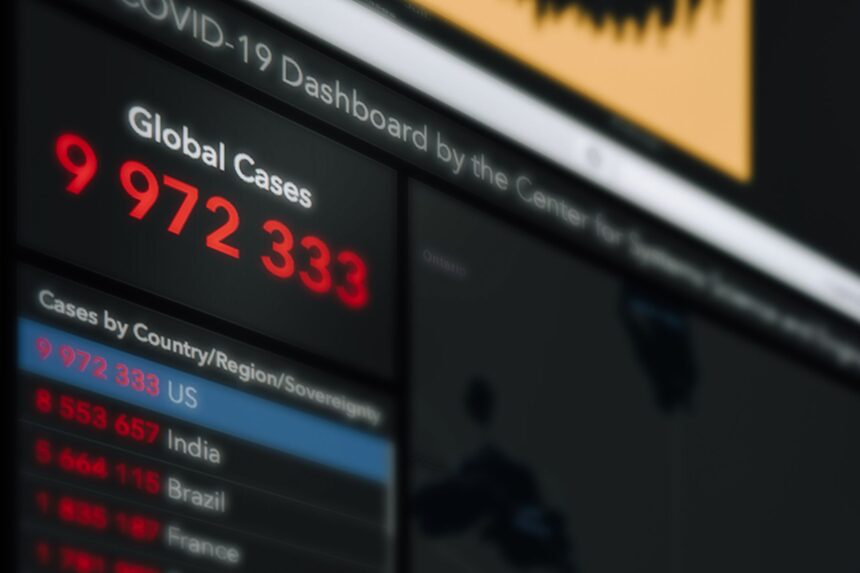
As the UK enters summer 2026, healthcare providers and public health leaders should note three key findings from the latest surveillance data. First, COVID-19 activity remains at low levels across all monitoring systems, indicating sustained control of transmission. Second, seasonal influenza has dropped to expected summer baseline levels, reducing concurrent respiratory pathogen burden. Third, overall respiratory illness patterns align with typical seasonal trends, allowing for predictable healthcare resource planning during this period.
These surveillance findings support evidence-based decision-making for hospital capacity planning, staffing allocation, and public health messaging. The sustained low activity across multiple respiratory pathogens suggests healthcare systems can maintain standard operational protocols while remaining vigilant through continued surveillance monitoring. Understanding these seasonal patterns enables proactive planning for autumn months when respiratory illness activity typically increases again.
Read the full article on GMJ Newsroom.
Was this article helpful?