By using this site, you agree to the Privacy Policy and Terms of Use.
Accept
GMJ NewsGMJ NewsGMJ News
  • Latest News
    • GMJ Briefs
  • Podcast & Media
    • Podcast Episodes
    • GMJ Audio
    • GMJ Videos
  • Research Digest
    • New Studies
    • Georgian Research
    • Data & Numbers
  • Policy & Systems
    • Health Policy
    • Quality & Safety
    • Migration & Health
    • Global Health
  • Practice
    • Clinical Updates
    • Case Discussions
    • Pharmacy & Prescribing
    • Ingredients A-Z
  • Perspectives
    • Editorial
    • Explainers
    • Voices
    • Letters
  • GMJ Articles
    • Vol. 1 Issue 2 (2026)
    • Vol. 1 Issue 1 (2026)
    • Pre-Launch Articles (2025)
  • Read the Journal →
  • About GMJ News
Notification Show More
Font ResizerAa
GMJ NewsGMJ News
Font ResizerAa
  • Latest News
    • GMJ Briefs
  • Podcast & Media
    • Podcast Episodes
    • GMJ Audio
    • GMJ Videos
  • Research Digest
    • New Studies
    • Georgian Research
    • Data & Numbers
  • Policy & Systems
    • Health Policy
    • Quality & Safety
    • Migration & Health
    • Global Health
  • Practice
    • Clinical Updates
    • Case Discussions
    • Pharmacy & Prescribing
    • Ingredients A-Z
  • Perspectives
    • Editorial
    • Explainers
    • Voices
    • Letters
  • GMJ Articles
    • Vol. 1 Issue 2 (2026)
    • Vol. 1 Issue 1 (2026)
    • Pre-Launch Articles (2025)
  • Read the Journal →
  • About GMJ News
Follow US
GMJ News > Policy & Systems > Global Health > UK COVID-19 Activity Remains Low as Summer Season Begins, Official Surveillance Shows
Global HealthPolicy & Systems

UK COVID-19 Activity Remains Low as Summer Season Begins, Official Surveillance Shows

GMJ
Last updated: 23/06/2026 18:42
By
GMJ Policy Desk
Share
5 Min Read
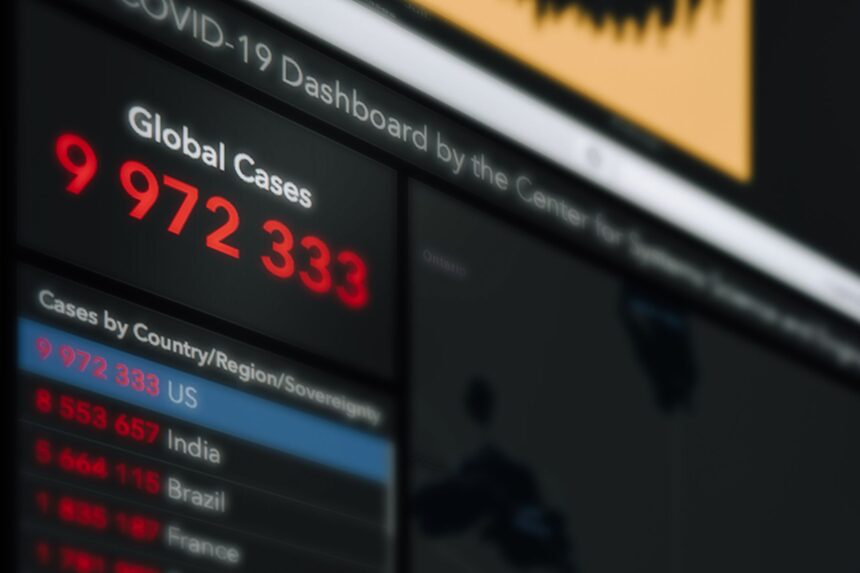
UK Health Security Agency surveillance data showing low COVID-19 activity summer 2026Illustrative image · Photo by Atypeek Dgn on Pexels (Pexels License)
UK Health Security Agency surveillance shows COVID-19 and influenza activity remain at low levels through week 24 of 2026. Summer seasonal patterns align with expected respiratory illness trends. — Photo by Atypeek Dgn on Pexels (Pexels License)
SHARE
3 min read|621 words
✓ Reviewed by Prof. Giorgi Pkhakadze, MD, MPH, PhD · ORCID 0000-0001-7609-4515

🟠 Moderate Evidence

Contents
    • Key takeaways
      • UK Respiratory Illness Surveillance Trends
  • Surveillance System Tracks Multiple Respiratory Pathogens
  • Summer Pattern Emerges in Respiratory Illness Data
  • Public Health Monitoring Continues Despite Low Activity
    • What this means
  • Frequently asked questions
    • What does low COVID-19 activity mean for daily life?
    • Why do respiratory illnesses decrease in summer?
    • Will surveillance continue during low activity periods?

COVID-19 activity across the United Kingdom continues to maintain low levels as the country enters the summer period, according to the latest official surveillance data from the UK Health Security Agency. The National flu and COVID-19 surveillance report for week 25 provides comprehensive monitoring of respiratory illness trends through mid-June 2026.

Key takeaways

  • COVID-19 activity remains at low levels across all UK surveillance indicators
  • Seasonal flu activity has dropped to expected summer baseline levels
  • Respiratory illness patterns align with typical seasonal trends for this time of year
Week 24
Latest surveillance period showing continued low COVID-19 transmission

UK Respiratory Illness Surveillance Trends

COVID-19 and influenza activity levels, summer 2026

Low
COVID-19 Activity
Baseline
Flu Activity
Week 25
Reporting Period

Source: UK Health Security Agency, 2026 | Georgian Medical Journal News

Submit Your Paper
GMJ_Submit_Banner

Surveillance System Tracks Multiple Respiratory Pathogens

The UK Health Security Agency’s surveillance system provides comprehensive monitoring of COVID-19, seasonal influenza, and other respiratory illnesses through multiple data streams. This integrated approach allows health officials to track disease patterns and inform public health responses across England, Scotland, Wales, and Northern Ireland.

The surveillance network combines data from primary care consultations, hospital admissions, laboratory testing, and syndromic surveillance systems. This multi-faceted monitoring approach enables early detection of emerging trends in respiratory illness activity.

Summer Pattern Emerges in Respiratory Illness Data

The latest data through week 24 (ending June 14, 2026) demonstrates the expected seasonal decline in respiratory illness activity typical of summer months. Both COVID-19 and influenza indicators show patterns consistent with reduced community transmission during warmer weather periods.

Healthcare systems across the UK are experiencing lower pressure from respiratory illnesses compared to winter and spring peaks. This seasonal trend provides opportunities for health services to prepare for potential increases in activity during the autumn and winter months ahead.

Public Health Monitoring Continues Despite Low Activity

Despite low current activity levels, the UK Health Security Agency maintains robust surveillance systems to detect any changes in respiratory illness patterns. Regular monitoring ensures rapid identification of emerging variants, unusual seasonal patterns, or increases in severe disease.

The surveillance report serves as a critical tool for healthcare planning, vaccine strategy development, and public health preparedness. For more insights on respiratory disease surveillance, explore our Global Health coverage.

UK respiratory illness surveillance shows COVID-19 and flu activity at seasonally appropriate low levels through week 24 of 2026

— UK Health Security Agency (National flu and COVID-19 surveillance report, 2026)

What this means

For patients: Low community transmission provides relative safety for social activities while maintaining basic hygiene practices
For clinicians: Reduced respiratory illness presentations allow focus on other health priorities and preparation for autumn season
For policymakers: Summer period offers opportunity to strengthen surveillance systems and pandemic preparedness infrastructure

Frequently asked questions

What does low COVID-19 activity mean for daily life?

Low activity levels indicate reduced community transmission, making social gatherings and travel relatively safer. However, maintaining good hygiene practices remains important as respiratory viruses continue to circulate at lower levels.

Why do respiratory illnesses decrease in summer?

Summer months typically see reduced respiratory illness transmission due to increased outdoor activities, better ventilation, higher humidity levels, and seasonal changes in virus survival rates. People also tend to have less close indoor contact during warmer weather.

Will surveillance continue during low activity periods?

Yes, the UK Health Security Agency maintains comprehensive surveillance year-round to detect emerging variants, unusual patterns, or early signs of seasonal increases. This continuous monitoring ensures rapid public health response when needed.

The consistent surveillance data provides reassurance that current respiratory illness levels remain manageable across UK healthcare systems. As the country moves through summer 2026, public health officials will continue monitoring for any signs of emerging variants or unexpected increases in transmission that could signal changes in the epidemiological landscape.

Source: National flu and COVID-19 surveillance report, week 25 report: data to week 24 (data up to 14 June 2026)

Was this article helpful?

Disclaimer. This article is health journalism intended for general information and education. It is not medical advice and is not a substitute for professional diagnosis or treatment. Always consult a qualified healthcare provider about your individual circumstances. Full disclaimer →

Related Coverage

California Legislator Passes Landmark Ultra-Processed Food Regulations Despite Industry OppositionJul 1, 2026
Arts Engagement Shows Promise as 'Social Prescribing' for Health and Medical EmpathyJun 30, 2026
WHO Kidney Health Resolution Needs Urgent Implementation Framework, Lancet Editorial WarnsJun 30, 2026
New US Rules Require Work Activities for Medicaid RecipientsJun 30, 2026
PG
Written by
Prof. Giorgi Pkhakadze, MD, MPH, PhD
Editor-in-Chief, GMJ News
Full profile →  ·  ORCID 0000-0001-7609-4515
Medical disclaimer. This article is health journalism intended for general information. It is not medical advice and is not a substitute for consultation with a qualified healthcare professional. Always seek your physician's advice regarding any medical condition.
Medically reviewed by Prof. Giorgi Pkhakadze, MD, MPH, PhD. Spotted an error? Contact the editorial team.
Get the GMJ News digest
Evidence-based health journalism in your inbox. No spam; unsubscribe anytime.
TAGGED:COVID-19public healthrespiratory illnessseasonal trendsUK surveillance
Share This Article
Facebook LinkedIn Bluesky Copy Link Print
GMJ
ByGMJ Policy Desk
Follow:
GMJ Policy Desk is part of GMJ News, the newsroom of the Georgian Medical Journal (gmj.ge), published by the Public Health Institute of Georgia. Every article is editorially reviewed before publication.
Leave a Comment Leave a Comment

Leave a Reply Cancel reply

Your email address will not be published. Required fields are marked *

Submit Your Paper →

Georgia's peer-reviewed open-access medical journal. No APC until January 2027.
Submit Manuscript →
Supermarket Data Reveals Women Buying Less Effective Period Pain Relief

Supermarket purchasing data reveals many women are buying less effective pain medications…

Breastfeeding Support Failures Leave New Mothers Traumatized, UK Survey Reveals

UK mothers report inadequate breastfeeding support causing trauma severe enough to influence…

California Legislator Passes Landmark Ultra-Processed Food Regulations Despite Industry Opposition

California Assembly member Jesse Gabriel has passed more ultra-processed food legislation in…

Submit Your Paper to GMJ

No APC until January 2027.
Submit Manuscript →

You Might Also Like

Healthcare workers conducting disease surveillance in Latin American community
Global HealthPolicy & Systems

PAHO Partners with Mundo Sano Foundation to Eliminate Neglected Diseases and Cervical Cancer

By
GMJ Policy Desk
29/05/2026
Medical tourism safety warning with CDC logo and surgical complications infographic
Policy & SystemsQuality & Safety

CDC Reports Severe Complications from Medical Tourism Cosmetic Procedures

By
GMJ Policy Desk
03/06/2026
European public health experts at ECDC respiratory virus surveillance network meeting in ViennaIllustrative image · Photo by Fusion Medical Animation on Unsplash (Unsplash License)
Health PolicyPolicy & Systems

ECDC Convenes 80 European Experts to Strengthen Respiratory Virus Surveillance

By
GMJ Policy Desk
14/06/2026
Military medical personnel in uniform representing healthcare recruitment challenges
Health PolicyPolicy & Systems

US Military Medical Corps Faces Critical Physician Shortage, Former Congressional Doctor Warns

By
GMJ Policy Desk
01/06/2026
Facebook Twitter Youtube Instagram
Company
  • Privacy Policy
  • Contact US
  • GMJ Journal
  • Submit Manuscript
  • Editorial Team
  • Register at GMJ
  • Terms of Use

Subscribe to GMJ News — Click here

Join Community
© 2026 Georgian Medical Journal (GMJ). Published by the Public Health Institute of Georgia (PHIG). All rights reserved.
Welcome Back!

Sign in to your account

Username or Email Address
Password

Lost your password?

Not a member? Sign Up