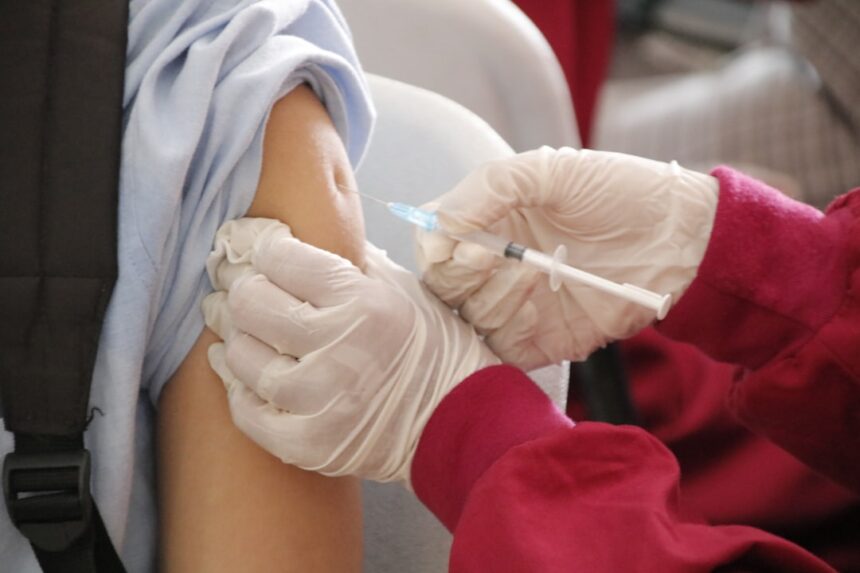
The United Kingdom’s new national gonorrhoea vaccination programme introduces three critical considerations for clinicians and public health practitioners. First, this represents the globally unprecedented implementation of 4CMenB vaccine for gonorrhoea prevention, establishing evidence-based protocols that other nations may eventually adopt.
Second, the programme prioritizes specific populations: men aged 16-25 engaging in same-sex relationships constitute the primary target cohort, with secondary emphasis on individuals with multiple sexual partners and those accessing sexual health services. This stratified approach enables resource optimization while addressing epidemiological vulnerabilities.
Third, vaccination addresses an urgent clinical reality: antibiotic resistance has rendered conventional gonorrhoea treatment increasingly ineffective, with 87 percent of strains now demonstrating resistance. The transition from treatment-dependent to prevention-focused strategies reflects evolving management paradigms in response to antimicrobial resistance.
Healthcare providers should familiarize themselves with vaccination eligibility criteria, eligibility assessment protocols, and monitoring frameworks for programme outcomes and adverse events.

Read the full article on GMJ Newsroom.
Was this article helpful?