By using this site, you agree to the Privacy Policy and Terms of Use.
Accept
GMJ NewsGMJ NewsGMJ News
  • Latest News
    • GMJ Briefs
  • Podcast & Media
    • Podcast Episodes
    • GMJ Audio
    • GMJ Videos
  • Research Digest
    • New Studies
    • Georgian Research
    • Data & Numbers
  • Policy & Systems
    • Health Policy
    • Quality & Safety
    • Migration & Health
    • Global Health
  • Practice
    • Clinical Updates
    • Case Discussions
    • Pharmacy & Prescribing
    • Ingredients A-Z
  • Perspectives
    • Editorial
    • Explainers
    • Voices
    • Letters
  • GMJ Articles
    • Vol. 1 Issue 2 (2026)
    • Vol. 1 Issue 1 (2026)
    • Pre-Launch Articles (2025)
  • Read the Journal →
  • About GMJ News
Notification Show More
Font ResizerAa
GMJ NewsGMJ News
Font ResizerAa
  • Latest News
    • GMJ Briefs
  • Podcast & Media
    • Podcast Episodes
    • GMJ Audio
    • GMJ Videos
  • Research Digest
    • New Studies
    • Georgian Research
    • Data & Numbers
  • Policy & Systems
    • Health Policy
    • Quality & Safety
    • Migration & Health
    • Global Health
  • Practice
    • Clinical Updates
    • Case Discussions
    • Pharmacy & Prescribing
    • Ingredients A-Z
  • Perspectives
    • Editorial
    • Explainers
    • Voices
    • Letters
  • GMJ Articles
    • Vol. 1 Issue 2 (2026)
    • Vol. 1 Issue 1 (2026)
    • Pre-Launch Articles (2025)
  • Read the Journal →
  • About GMJ News
Follow US
GMJ News > GMJ Briefs > What Perimenopausal Women Need to Know About Cognitive Decline and Treatment Options

What Perimenopausal Women Need to Know About Cognitive Decline and Treatment Options

GMJ
Last updated: 19/07/2026 02:26
By
Prof. Giorgi Pkhakadze
Share
1 Min Read
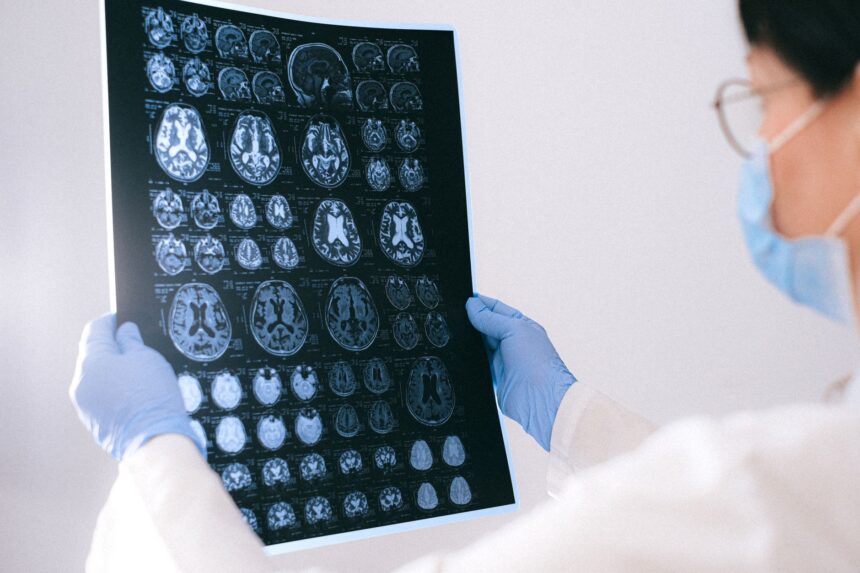
Brain scan images showing cognitive changes during perimenopause transition
New clinical research quantifies cognitive decline during perimenopause, showing measurable impacts on memory and executive function. Studies reveal 42% of perimenopausal women experience significant cognitive difficulties affecting daily functioning. — Photo by Anna Shvets on Pexels (Pexels License)
SHARE
1 min read|122 words

Recent clinical research identifies four critical insights for women navigating perimenopause and cognitive changes. First, cognitive decline during perimenopause is quantifiable and biological, not imaginary or primarily psychological. Second, verbal memory and processing speed represent the most commonly affected cognitive domains, with deficits beginning approximately two years before menopause onset. Third, early intervention with evidence-based treatments—both hormonal and non-hormonal approaches—can preserve cognitive function and minimize workplace and quality-of-life impacts. Finally, most women experience symptom improvement within two to three years following menopause, offering reassurance that these changes are typically temporary. Understanding the biological mechanisms underlying perimenopause brain fog enables healthcare providers to offer appropriate support, validate patient experiences, and implement timely therapeutic strategies. Read the full article on GMJ Newsroom.

Was this article helpful?

GMJ Brief · Takeaway

📰 Read the full article: Clinical Evidence Links Perimenopause Brain Fog to Measurable Cognitive Decline →

Share This Article
Facebook LinkedIn Bluesky Copy Link Print
GMJ
ByProf. Giorgi Pkhakadze
Follow:
Prof. Giorgi Pkhakadze, MD, MPH, PhD, is Editor-in-Chief of the Georgian Medical Journal and Chair of the Public Health Institute of Georgia (PHIG). He is Professor and Head of the Department of Social and Behavioural Sciences at David Tvildiani Medical University, and Secretary/Treasurer of the UEMS Section of Public Health. ORCID: 0000-0001-7609-4515.

Submit Your Paper →

Georgia's peer-reviewed open-access medical journal. No APC until January 2027.
Submit Manuscript →
Cancer Survivors in Their Teens and Twenties Face Unique Long-Term Health Risks

Adolescents and young adults surviving cancer face distinct long-term complications and psychosocial…

Indiana Enacts Hospital Price Caps as States Challenge Healthcare Cost Growth

Indiana has enacted direct price caps on hospital charges to employers, becoming…

NHS Medical Training Act boosts UK doctor recruitment, data shows

NHS England data confirms the Medical Training Prioritisation Act has successfully increased…

Submit Your Paper to GMJ

No APC until January 2027.
Submit Manuscript →

You Might Also Like

Scientific illustration showing gut bacteria and brain connection in infant development

Early Gut Bacteria May Offer Protection Against Autism and ADHD, New Research Suggests

By
Prof. Giorgi Pkhakadze
13/06/2026

EBOLA OUTBREAK – DRC/UGANDA: WHO DECLARES PUBLIC HEALTH EMERGENCY OF INTERNATIONAL CONCERN

By
Prof. Giorgi Pkhakadze
31/05/2026
Medical professionals in hospital setting discussing work-life balance and family responsibilities

What Dual Doctor Couples Need to Know About Childcare Solutions and Career Trade-offs

By
Prof. Giorgi Pkhakadze
12/07/2026
Medical chart comparing hemoglobin levels with and without vitamin C supplementation

Clinical Evidence Undermines Routine Vitamin C and Iron Supplement Pairing

By
Prof. Giorgi Pkhakadze
29/07/2026
Facebook Twitter Youtube Instagram
Company
  • Privacy Policy
  • Contact US
  • GMJ Journal
  • Submit Manuscript
  • Editorial Team
  • Register at GMJ
  • Terms of Use

Subscribe to GMJ News — Click here

Join Community
© 2026 Georgian Medical Journal (GMJ). Published by the Public Health Institute of Georgia (PHIG). All rights reserved.
Welcome Back!

Sign in to your account

Username or Email Address
Password

Lost your password?

Not a member? Sign Up