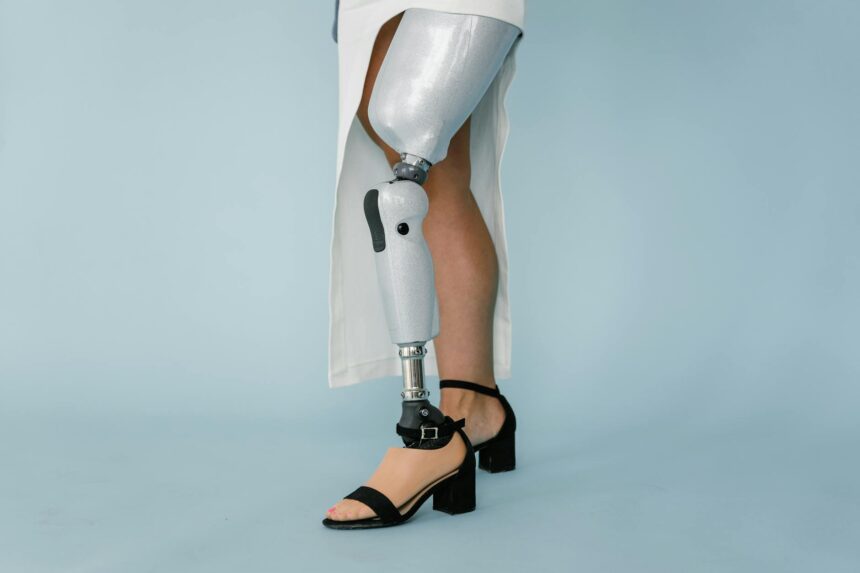
A newly validated grid-based assessment method offers clinicians and prosthetists in resource-limited settings a practical, evidence-based tool for monitoring prosthetic foot deterioration. The system requires only basic photography equipment and trained personnel, making systematic device assessment achievable without laboratory infrastructure.
Key practical findings include: the method achieves 88% inter-observer reliability with three trained raters, eliminating the need for expensive standardized testing; it demonstrates exceptional accuracy (92% agreement) in central foot regions where early wear detection is clinically important; and it enables objective documentation of wear patterns for improved clinical decision-making regarding device replacement or repair.
This innovation directly addresses the assessment gap affecting millions of prosthetic users in developing nations. Practitioners can now implement reliable, reproducible wear monitoring protocols that standardize care quality and enhance patient outcomes. The method’s simplicity and effectiveness make it immediately applicable in clinical settings globally. Read the full article on GMJ Newsroom.
Was this article helpful?