By using this site, you agree to the Privacy Policy and Terms of Use.
Accept
GMJ NewsGMJ NewsGMJ News
  • Latest News
    • GMJ Briefs
  • Podcast & Media
    • Podcast Episodes
    • GMJ Audio
    • GMJ Videos
  • Research Digest
    • New Studies
    • Georgian Research
    • Data & Numbers
  • Policy & Systems
    • Health Policy
    • Quality & Safety
    • Migration & Health
    • Global Health
  • Practice
    • Clinical Updates
    • Case Discussions
    • Pharmacy & Prescribing
    • Ingredients A-Z
  • Dictionary
    • Browse A–Z
    • About the Project
    • Contribute a Term
  • Perspectives
    • Editorial
    • Explainers
    • Voices
    • Letters
  • Health Topics
  • GMJ Articles
    • Vol. 1 Issue 2 (2026)
    • Vol. 1 Issue 1 (2026)
    • Pre-Launch Articles (2025)
  • Read the Journal →
  • About GMJ News
Notification Show More
Font ResizerAa
GMJ NewsGMJ News
Font ResizerAa
  • Latest News
    • GMJ Briefs
  • Podcast & Media
    • Podcast Episodes
    • GMJ Audio
    • GMJ Videos
  • Research Digest
    • New Studies
    • Georgian Research
    • Data & Numbers
  • Policy & Systems
    • Health Policy
    • Quality & Safety
    • Migration & Health
    • Global Health
  • Practice
    • Clinical Updates
    • Case Discussions
    • Pharmacy & Prescribing
    • Ingredients A-Z
  • Dictionary
    • Browse A–Z
    • About the Project
    • Contribute a Term
  • Perspectives
    • Editorial
    • Explainers
    • Voices
    • Letters
  • Health Topics
  • GMJ Articles
    • Vol. 1 Issue 2 (2026)
    • Vol. 1 Issue 1 (2026)
    • Pre-Launch Articles (2025)
  • Read the Journal →
  • About GMJ News
Follow US
GMJ News > GMJ Briefs > What You Need to Know About Olive Oil Quality: Three Critical Facts

What You Need to Know About Olive Oil Quality: Three Critical Facts

GMJ
Last updated: 24/08/2026 11:30
By
Prof. Giorgi Pkhakadze
Share
1 Min Read
Comparison of olive oil polyphenol content across retail brands showing variation within extra virgin grade
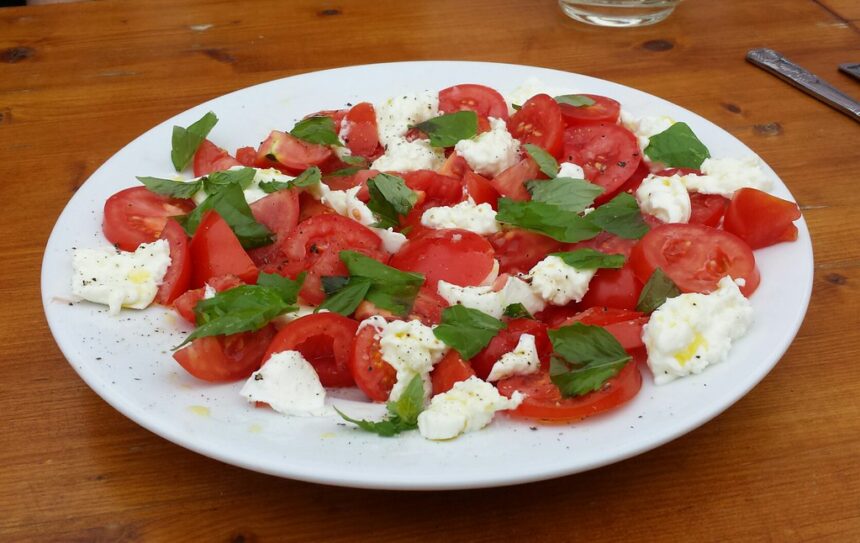
The International Olive Council's "extra virgin" grade measures chemical damage, not polyphenol content—the bioactive responsible for olive oil's cardiovascular benefits. Industry surveys show 90–96% of retail extra virgin oil falls below the polyphenol threshold linked to health benefits, yet all carry the same label. — "Homegrown Tomatoes and Buffalo Mozarella Salad with Cinnamon Basil and Extra Virgin Olive Oil" by Fareham Wine is licensed under CC BY 2.0. To view a copy of this license, visit https://creativecommons.org/licenses/by/2.0/. (CC BY 2.0)
SHARE
1 min read|146 words

First, the ‘extra virgin’ grade measures oxidative damage and freshness, not the bioactive compounds responsible for cardiovascular protection. The International Olive Council’s standards assess free acidity, peroxide value, and sensory characteristics—useful indicators of product stability, but irrelevant to health-promoting potential.

Second, polyphenol content in retail extra virgin olive oil varies dramatically within the same quality tier, ranging from under 10 mg/kg to over 1,700 mg/kg. This 170-fold variation means consumers cannot rely on premium labelling alone. Third, the PREDIMED trial demonstrated that high-polyphenol extra virgin olive oil reduces cardiovascular events by 31%—yet 90–96% of retail stock falls below the polyphenol threshold needed to support such health claims.

The practical takeaway: look beyond the label grade. Until mandatory polyphenol labelling becomes standard, consumers seeking olive oil’s cardiovascular benefits must seek independent testing data or prioritize producers with documented bioactive profiles.

Read the full article on GMJ Newsroom.

Submit Your Paper
GMJ_Submit_Banner

Was this article helpful?

GMJ Brief · Takeaway

📰 Read the full article: Extra Virgin Olive Oil’s Grade Doesn’t Measure What Matters: Why Polyphenol Content Goes Unlabelled →

Related reference
  • SAMe · Ingredient
Share This Article
Facebook LinkedIn Bluesky Copy Link Print
GMJ
ByProf. Giorgi Pkhakadze
Follow:
Prof. Giorgi Pkhakadze, MD, MPH, PhD, is Editor-in-Chief of the Georgian Medical Journal and Chair of the Public Health Institute of Georgia (PHIG). He is Professor and Head of the Department of Social and Behavioural Sciences at David Tvildiani Medical University, and Secretary/Treasurer of the UEMS Section of Public Health. ORCID: 0000-0001-7609-4515.

Submit Your Paper →

Georgia's peer-reviewed open-access medical journal. No APC until January 2027.
Submit Manuscript →
Ethiopia Study Reveals Stakeholder Concerns Over Novel Malaria Treatments

A qualitative study in Ethiopia reveals that health workers and patients view…

Sitafloxacin monotherapy matches doxycycline-rifampicin for brucellosis treatment in landmark trial

A multicenter randomized trial in The Lancet Regional Health – Western Pacific…

Ultra-processed foods linked to higher kidney cancer risk in large US study

A prospective analysis of over 300,000 US adults found that higher consumption…

Submit Your Paper to GMJ

No APC until January 2027.
Submit Manuscript →

You Might Also Like

Medical illustration showing healthy liver cells versus fatty liver cells with ION224 treatment mechanism

ION224 Offers New Hope for Millions with Severe Fatty Liver Disease

By
Prof. Giorgi Pkhakadze
15/07/2026
Chef preparing fermented vegetables in a kitchen setting

Ancient Fermentation Techniques Offer Modern Solutions to Global Food Waste Crisis

By
Prof. Giorgi Pkhakadze
19/07/2026
Diagram of innate and adaptive immune responses showing macrophages, antibodies, T cells, and immunological memory

Two Defenses, One Victory: How Your Immune System Orchestrates Protection

By
Prof. Giorgi Pkhakadze
04/08/2026
Diagram showing three pathways by which modern diets compromise gut barrier integrity: altered bile acid metabolism and SCFA production, food additive effects on mucus layer, and circadian disruption from irregular eating patterns.

Announcement: How Modern Diets Damage the Gut Barrier and Drive Chronic Disease

By
Prof. Giorgi Pkhakadze
05/08/2026
Facebook Twitter Youtube Instagram
Company
  • Privacy Policy
  • Contact US
  • GMJ Journal
  • Submit Manuscript
  • Editorial Team
  • Register at GMJ
  • Terms of Use

Subscribe to GMJ News — Click here

Join Community
© 2026 Georgian Medical Journal (GMJ). Published by the Public Health Institute of Georgia (PHIG). All rights reserved.
Welcome Back!

Sign in to your account

Username or Email Address
Password

Lost your password?