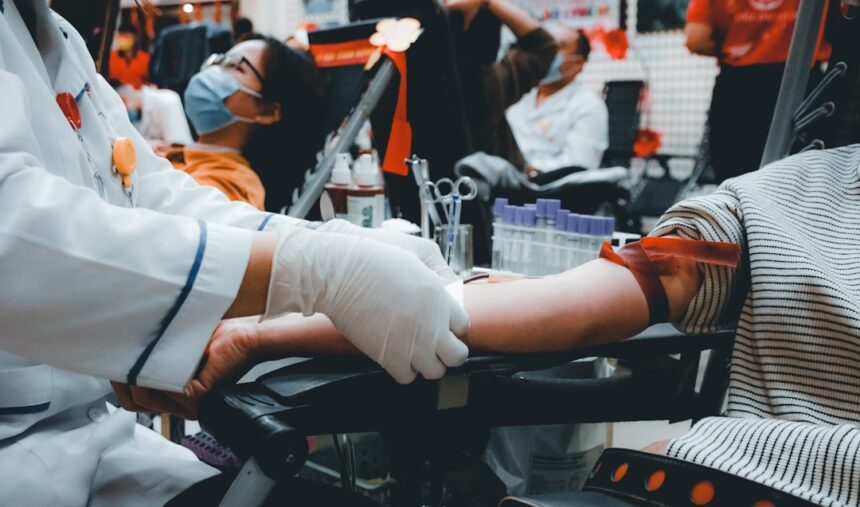
The World Health Organization’s 2026 Global Status Report on Blood Safety reveals three key findings that clinicians and policymakers should understand. First, voluntary blood donations have exceeded 85% globally for the first time, representing genuine progress in reducing transmission-associated risks. Second, profound disparities exist: high-income countries achieve 95% voluntary donations compared to only 65% in low-income nations, creating two-tiered global blood safety standards.
Third, and perhaps most concerning, governance and financing gaps threaten to undermine this progress. Weak regulatory frameworks and insufficient investment continue to compromise blood system effectiveness, particularly in resource-limited settings. These findings have practical implications for healthcare providers: they highlight the urgent need for targeted funding, stronger governance structures, and international collaboration to ensure equitable access to safe blood products worldwide. Read the full article on GMJ Newsroom.
Was this article helpful?