By using this site, you agree to the Privacy Policy and Terms of Use.
Accept
GMJ NewsGMJ NewsGMJ News
  • Latest News
    • GMJ Briefs
  • Podcast & Media
    • Podcast Episodes
    • GMJ Audio
    • GMJ Videos
  • Research Digest
    • New Studies
    • Georgian Research
    • Data & Numbers
  • Policy & Systems
    • Health Policy
    • Quality & Safety
    • Migration & Health
    • Global Health
  • Practice
    • Clinical Updates
    • Case Discussions
    • Pharmacy & Prescribing
    • Ingredients A-Z
  • Perspectives
    • Editorial
    • Explainers
    • Voices
    • Letters
  • GMJ Articles
    • Vol. 1 Issue 2 (2026)
    • Vol. 1 Issue 1 (2026)
    • Pre-Launch Articles (2025)
  • Read the Journal →
  • About GMJ News
Notification Show More
Font ResizerAa
GMJ NewsGMJ News
Font ResizerAa
  • Latest News
    • GMJ Briefs
  • Podcast & Media
    • Podcast Episodes
    • GMJ Audio
    • GMJ Videos
  • Research Digest
    • New Studies
    • Georgian Research
    • Data & Numbers
  • Policy & Systems
    • Health Policy
    • Quality & Safety
    • Migration & Health
    • Global Health
  • Practice
    • Clinical Updates
    • Case Discussions
    • Pharmacy & Prescribing
    • Ingredients A-Z
  • Perspectives
    • Editorial
    • Explainers
    • Voices
    • Letters
  • GMJ Articles
    • Vol. 1 Issue 2 (2026)
    • Vol. 1 Issue 1 (2026)
    • Pre-Launch Articles (2025)
  • Read the Journal →
  • About GMJ News
Follow US
GMJ News > GMJ Briefs > When Neurological Symptoms Signal Hidden Cancer: Lessons from a Clinical Case

When Neurological Symptoms Signal Hidden Cancer: Lessons from a Clinical Case

GMJ
Last updated: 12/07/2026 00:43
By
Prof. Giorgi Pkhakadze
Share
1 Min Read
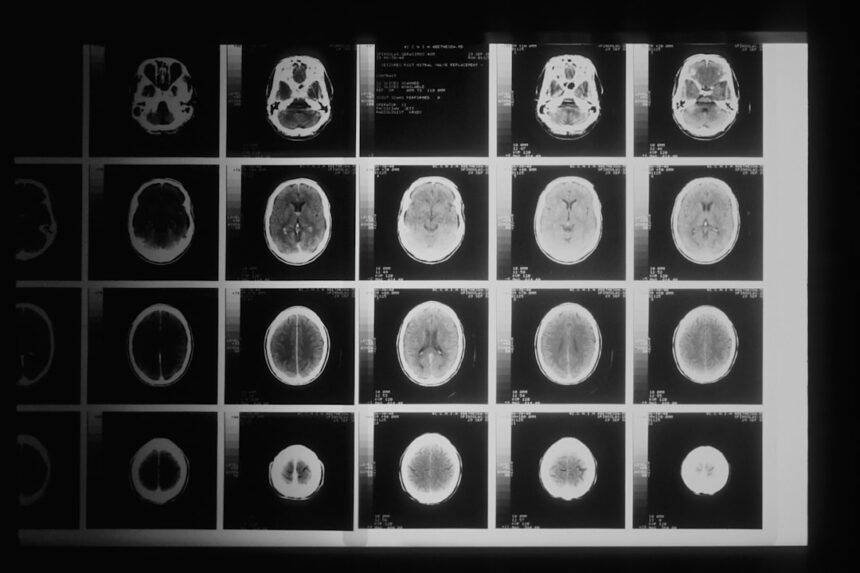
Medical illustration showing paraneoplastic neurologic syndrome affecting nervous system
A 65-year-old woman with progressive neurological symptoms was diagnosed with paraneoplastic neurologic syndrome secondary to small cell lung cancer. The case highlights diagnostic challenges when neurological symptoms precede cancer detection. — Photo by National Cancer Institute on Unsplash (Unsplash License)
SHARE
1 min read|139 words

A 65-year-old woman’s progressive neurological deterioration led clinicians to an unexpected diagnosis: paraneoplastic neurologic syndrome secondary to small cell lung cancer. This case, recently published in the Canadian Medical Association Journal, underscores a critical diagnostic reality that often goes unrecognized in clinical practice.

Paraneoplastic neurologic syndromes occur when the immune system targets both tumor cells and neural tissue, resulting in neurological symptoms that can precede cancer detection by months or even years. In up to 80% of cases, patients present with neurological complaints before any malignancy is identified, making early recognition essential for timely intervention.

The case highlights why clinicians evaluating progressive neurological symptoms should maintain a high index of suspicion for underlying malignancy. Prompt antibody testing and cancer screening can expedite diagnosis and improve treatment outcomes for patients experiencing these complex syndromes.

Read the full article on GMJ Newsroom.

Submit Your Paper
GMJ_Submit_Banner

Was this article helpful?

GMJ Brief · Announcement

📰 Read the full article: Paraneoplastic Neurologic Syndrome Diagnosed in 65-Year-Old Woman with Small Cell Lung Cancer →

Related reference
  • Lung Cancer · Condition
Share This Article
Facebook LinkedIn Bluesky Copy Link Print
GMJ
ByProf. Giorgi Pkhakadze
Follow:
Prof. Giorgi Pkhakadze, MD, MPH, PhD, is Editor-in-Chief of the Georgian Medical Journal and Chair of the Public Health Institute of Georgia (PHIG). He is Professor and Head of the Department of Social and Behavioural Sciences at David Tvildiani Medical University, and Secretary/Treasurer of the UEMS Section of Public Health. ORCID: 0000-0001-7609-4515.

Submit Your Paper →

Georgia's peer-reviewed open-access medical journal. No APC until January 2027.
Submit Manuscript →
Apigenin Shows Promise in Lab Studies, But Human Evidence Remains Elusive

Apigenin, a plant compound featured in sleep and longevity supplements, has demonstrated…

Light roast coffee retains highest chlorogenic acid levels, study shows

Light roast coffee preserves 8.0 mg/g of chlorogenic acids compared to 4.35…

Zinc depletion in athletes: why the standard RDA falls short during training

The human body stores only ~2 grams of zinc with no physiological…

Submit Your Paper to GMJ

No APC until January 2027.
Submit Manuscript →

You Might Also Like

Global HealthHealth PolicyPolicy & Systems

Global SEARCH network charts course for healthcare worker studies beyond COVID-19

By
Prof. Giorgi Pkhakadze
14/07/2026
Global HealthPolicy & Systems

Ebola outbreak in DR Congo raises concerns over international response capacity

By
Prof. Giorgi Pkhakadze
26/05/2026
Diagram showing genomic instability pathway leading to cancer treatment resistance

Cancer’s Hidden Strategy: How DNA Damage Creates Treatment-Resistant Tumors

By
Prof. Giorgi Pkhakadze
04/06/2026
California healthcare workers and hospital representatives discussing ballot initiative proposals

California’s Healthcare Sector Enters High-Stakes Policy Showdown Over Worker Standards

By
Prof. Giorgi Pkhakadze
06/07/2026
Facebook Twitter Youtube Instagram
Company
  • Privacy Policy
  • Contact US
  • GMJ Journal
  • Submit Manuscript
  • Editorial Team
  • Register at GMJ
  • Terms of Use

Subscribe to GMJ News — Click here

Join Community
© 2026 Georgian Medical Journal (GMJ). Published by the Public Health Institute of Georgia (PHIG). All rights reserved.
Welcome Back!

Sign in to your account

Username or Email Address
Password

Lost your password?

Not a member? Sign Up