By using this site, you agree to the Privacy Policy and Terms of Use.
Accept
GMJ NewsGMJ NewsGMJ News
  • Latest News
    • GMJ Briefs
  • Podcast & Media
    • Podcast Episodes
    • GMJ Audio
    • GMJ Videos
  • Research Digest
    • New Studies
    • Georgian Research
    • Data & Numbers
  • Policy & Systems
    • Health Policy
    • Quality & Safety
    • Migration & Health
    • Global Health
  • Practice
    • Clinical Updates
    • Case Discussions
    • Pharmacy & Prescribing
    • Ingredients A-Z
  • Perspectives
    • Editorial
    • Explainers
    • Voices
    • Letters
  • GMJ Articles
    • Vol. 1 Issue 2 (2026)
    • Vol. 1 Issue 1 (2026)
    • Pre-Launch Articles (2025)
  • Read the Journal →
  • About GMJ News
Notification Show More
Font ResizerAa
GMJ NewsGMJ News
Font ResizerAa
  • Latest News
    • GMJ Briefs
  • Podcast & Media
    • Podcast Episodes
    • GMJ Audio
    • GMJ Videos
  • Research Digest
    • New Studies
    • Georgian Research
    • Data & Numbers
  • Policy & Systems
    • Health Policy
    • Quality & Safety
    • Migration & Health
    • Global Health
  • Practice
    • Clinical Updates
    • Case Discussions
    • Pharmacy & Prescribing
    • Ingredients A-Z
  • Perspectives
    • Editorial
    • Explainers
    • Voices
    • Letters
  • GMJ Articles
    • Vol. 1 Issue 2 (2026)
    • Vol. 1 Issue 1 (2026)
    • Pre-Launch Articles (2025)
  • Read the Journal →
  • About GMJ News
Follow US
GMJ News > GMJ Briefs > Why Athletes Need 36% More Zinc Than Standard Guidelines Recommend

Why Athletes Need 36% More Zinc Than Standard Guidelines Recommend

GMJ
Last updated: 02/08/2026 03:30
By
Prof. Giorgi Pkhakadze
Share
1 Min Read
Diagram showing five pathways of zinc loss in athletes: GI secretion, sweat, skin turnover, urine, and semen, with comparative daily amounts in mg
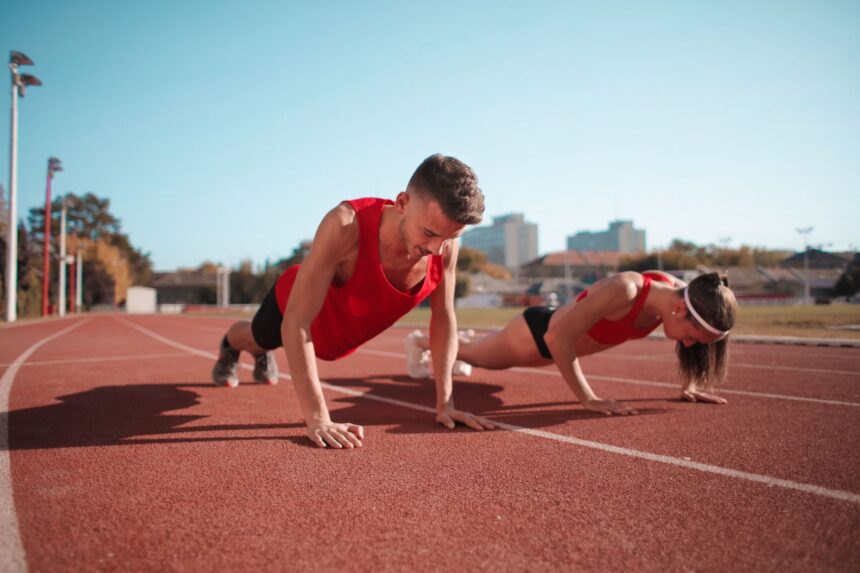
The human body stores only ~2 grams of zinc with no physiological reserve. Athletes engaged in intense training lose 20–40% more zinc through urine than sedentary individuals, yet standard dietary recommendations do not account for this. The Institute of Medicine's military committee recommends 15 mg daily for active individuals—36% above the civilian RDA. — Photo by Andrea Piacquadio on Pexels (Pexels License)
SHARE
1 min read|127 words

The recommended dietary allowance for zinc—11 mg per day—was established for sedentary populations and fails to account for the physiological demands of athletic training. Unlike iron, the human body stores only approximately 2 grams of zinc with no dedicated reserve mechanism, meaning athletes operate under constant risk of depletion.

Research reviewed by the Institute of Medicine’s military committee (2006) revealed that exercise increases urinary zinc loss by 20–40% above baseline levels. In response, the committee recommended 15 mg daily for active individuals—a 36% increase over civilian guidelines. This adjustment reflects multiple simultaneous loss pathways: gastrointestinal secretion, sweat, urine, skin turnover, and semen can collectively exceed standard dietary replacement on high-intensity training days.

For athletes and physically active individuals, understanding these losses is critical to maintaining performance, immune function, and recovery.

Was this article helpful?

GMJ Brief · Announcement

📰 Read the full article: Zinc depletion in athletes: why the standard RDA falls short during training →

Related reference
  • Iron · Ingredient
  • Zinc · Ingredient
Share This Article
Facebook LinkedIn Bluesky Copy Link Print
GMJ
ByProf. Giorgi Pkhakadze
Follow:
Prof. Giorgi Pkhakadze, MD, MPH, PhD, is Editor-in-Chief of the Georgian Medical Journal and Chair of the Public Health Institute of Georgia (PHIG). He is Professor and Head of the Department of Social and Behavioural Sciences at David Tvildiani Medical University, and Secretary/Treasurer of the UEMS Section of Public Health. ORCID: 0000-0001-7609-4515.

Submit Your Paper →

Georgia's peer-reviewed open-access medical journal. No APC until January 2027.
Submit Manuscript →
Early sexual initiation in Zambia: New data reveals age 17 median, literacy as protective factor

A new analysis of 2024 Zambian survey data shows 70% of young…

Decision Models Show Community Health Workers Remain Cost-Effective, But Quality Gaps Threaten Reliability

A systematic review of 37 economic evaluations of community health worker programmes…

Purple Urine Bag Syndrome: A Rare but Treatable Condition in Long-Term Care

Purple urine bag syndrome is a rare but benign condition affecting catheterised…

Submit Your Paper to GMJ

No APC until January 2027.
Submit Manuscript →

You Might Also Like

Diagram of neurotransmitter molecules and brain cell communication

The Chemical Foundation of Mental Health: Understanding Your Brain’s Neurotransmitter System

By
Prof. Giorgi Pkhakadze
30/07/2026
Clinical UpdatesHealth PolicyPolicy & SystemsPractice

UK launches emergency meningitis B vaccine programme for students after deadly outbreak

By
Prof. Giorgi Pkhakadze
02/07/2026
Medical illustration showing visceral fat around abdominal organs with research data overlay

Metabolic Legacy: How Visceral Fat Loss Protects Against Diabetes for a Decade

By
Prof. Giorgi Pkhakadze
09/07/2026
Illustration of platinum contact lens delivering electrical pulses for corneal reshaping

One Minute to Clear Vision: Electrical Technique Achieves Rapid Myopia Correction

By
Prof. Giorgi Pkhakadze
12/06/2026
Facebook Twitter Youtube Instagram
Company
  • Privacy Policy
  • Contact US
  • GMJ Journal
  • Submit Manuscript
  • Editorial Team
  • Register at GMJ
  • Terms of Use

Subscribe to GMJ News — Click here

Join Community
© 2026 Georgian Medical Journal (GMJ). Published by the Public Health Institute of Georgia (PHIG). All rights reserved.
Welcome Back!

Sign in to your account

Username or Email Address
Password

Lost your password?

Not a member? Sign Up