


Explainers
Plain-language deep dives for public audiences

How Vitamins Work: Fat-Soluble vs Water-Soluble Classification and Metabolic Function
Vitamins are classified by solubility into fat-soluble (A, D, E, K) and water-soluble (B-complex, C) categories, each with distinct absorption,…
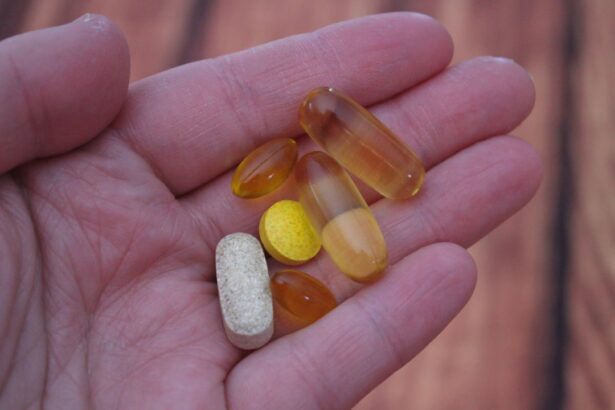
Vitamin D Deficiency Affects 40–97% of Populations; Latitude and Skin Tone Drive Risk
Vitamin D insufficiency affects 40–97% of North American populations, with risk increasing dramatically at higher latitudes and in individuals with…


Skeletal muscle’s dual role: Why inactivity silences critical body signaling
Skeletal muscle operates in two distinct biochemical modes: active signaling and metabolic silence. Inactive muscle…
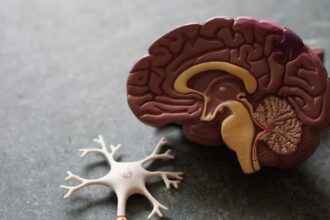
How amino acids shape brain function: from neurotransmitters to cognitive endurance
Amino acids are the biochemical foundation of neurotransmitter synthesis, energy metabolism, and synaptic communication. Nine…

Creatine for Women: Beyond Muscle—Evidence for Brain, Energy, and Long-Term Health
Women have 20–30% lower creatine levels than men, yet emerging evidence shows creatine supports brain…
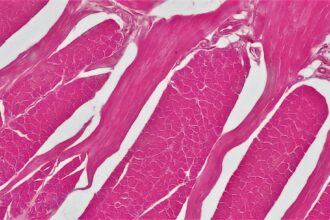
How muscle movement clears blood glucose through a second pathway independent of insulin
Muscle clears glucose through two pathways after meals: one insulin-dependent and one activated by muscle…
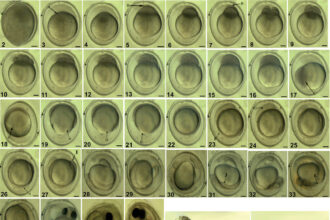
Heart’s First Beat Emerges From Collective Synchronisation, Not a Single ‘Starter Switch’
Scientists have identified that the heart's first beat emerges from collective electrical synchronisation of many…