


Explainers
Plain-language deep dives for public audiences
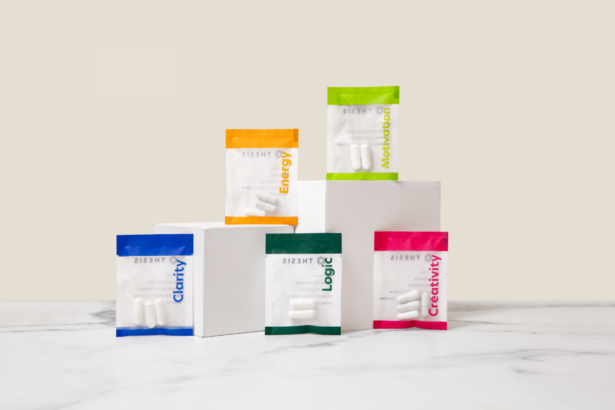
L-Arginine’s Hidden Role: From Vascular Function to Alzheimer’s Protein Dynamics
L-arginine extends its biological influence far beyond vascular regulation into unexpected domains: cerebral blood flow, cognitive performance, and amyloid-β protein…

Why Afternoon Fatigue Strikes After Lunch—and How Nutrition Can Help
Post-lunch afternoon fatigue is a common metabolic phenomenon driven by blood sugar fluctuations and circadian rhythms. Registered dietitians outline three…
Astaxanthin Doses in the Clinic: What 6–12 mg Actually Showed
An honest walk through the human trials of astaxanthin at 6–12 mg per day: what…
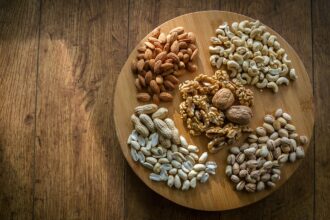
Vitamin E: Why 9 in 10 Fall Short — and Why the Natural Form Is Retained Better
Around nine in ten adults in Western surveys consume less vitamin E than the estimated…
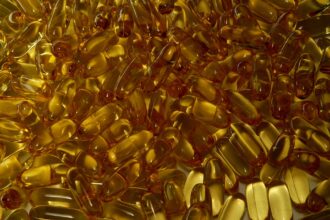
Rancid Omega-3: What the Peroxide Value Tells You
Surveys keep finding oxidised fish oil on the shelf. Peroxide value, anisidine value and TOTOX…
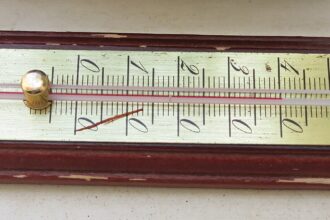
Heat Kills Supplements: Transport, Storage and the Invisible Loss of Potency
Chemical degradation roughly doubles with every 10 °C. Hot delivery vans, sunny windowsills and steamy…
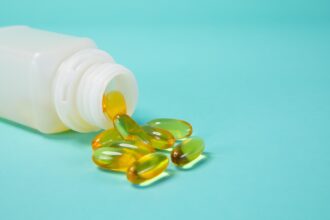
What a LOT Number Really Is: Batch Traceability from Factory to Recall
No LOT number means no recall. The small code stamped on the bottle is the…