


Perspectives
Editorials, explainers, expert voices, and reader letters

How Calcium Imbalance Disrupts the Heart and Nervous System
Calcium imbalance—whether too low (hypocalcemia) or too high (hypercalcemia)—disrupts the heart's electrical rhythm and triggers neurological symptoms from muscle spasms…

How creatine, collagen, and magnesium work at the molecular level—and why supplementation requires careful consideration
Three widely supplemented micronutrients work through distinct biochemical pathways that explain why ingredient quantity matters less than understanding the specific…



Self-Amplifying mRNA Breakthroughs Cannot Compensate for Collapsing Pandemic Diplomacy
Recent breakthroughs in self-amplifying mRNA vaccine technology offer genuine scientific promise for pandemic preparedness, yet…
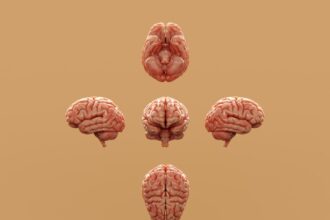
How Your Brain’s Wiring Controls Everything: A Guide to the Nervous System
The nervous system operates through three integrated levels: sensory pathways (trigeminal nerve), autonomic control (sympathetic…
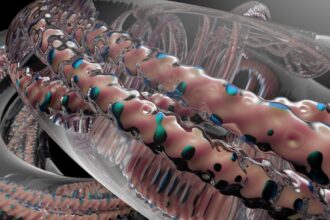
How Cells Generate Energy: Understanding ATP, Mitochondria, and Why You Feel Tired
Cellular energy production occurs through three metabolic stages: glycolysis, the Krebs cycle, and the electron…

The Brain’s Master Clock: How Circadian Rhythms Control Sleep, Hunger, and Mood
The suprachiasmatic nucleus in your brain acts as a master clock, orchestrating sleep, hunger, hormones,…
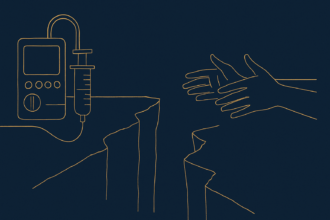
The Technology Paradox: Why Red Blood Cell Exchange Remains Out of Reach for 97% of American Sickle Cell Patients
Fewer than 3% of US sickle cell patients receive red blood cell exchange despite its…